
Hand tools are simple, manual tools used for cutting, shaping, fastening, and measuring.
As a longtime craftsman and content specialist, I know how confusing basic tool terms can be. This article explains what is the hand tools in clear terms, shows common types, when to use each, how to care for them, and practical tips I learned on the job. Read on to gain the confidence to choose, use, and maintain hand tools safely and efficiently.

Definition: What are hand tools and why they matter
Hand tools are tools powered by hand instead of electricity or batteries. They let you perform tasks like gripping, turning, cutting, measuring, and shaping. Learning what is the hand tools means knowing the right tool for each task, the limit of manual force, and how to avoid damage or injury.
Hand tools matter because they are simple, reliable, and often more precise than power tools for fine work. They are also portable and durable. For homeowners and professionals, knowing what is the hand tools saves time and money.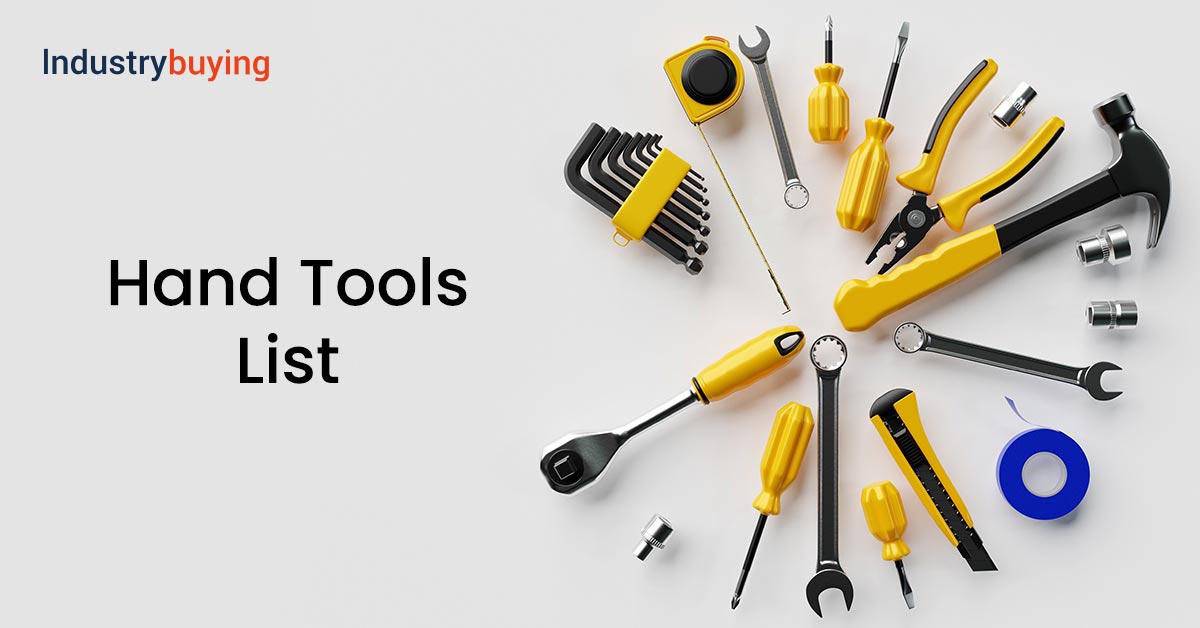
Main categories and common examples
Knowing what is the hand tools starts with categories. Each category answers a common need on the job.
- Cutting and shaping tools: handsaws, chisels, utility knives, files.
- Fastening and loosening tools: screwdrivers, wrenches, pliers, nut drivers.
- Measuring and layout tools: tape measures, squares, levels, marking gauges.
- Striking tools: hammers, mallets, punches.
- Holding and clamping tools: clamps, vices, locking pliers.
- Specialty hand tools: tile nippers, hand planes, wire strippers.
Examples make the idea clear. A quality screwdriver tightens a loose hinge precisely. A chisel and mallet trim a wood joint cleanly. These tools are small but critical to most projects. Repeating what is the hand tools in context helps you recognize them.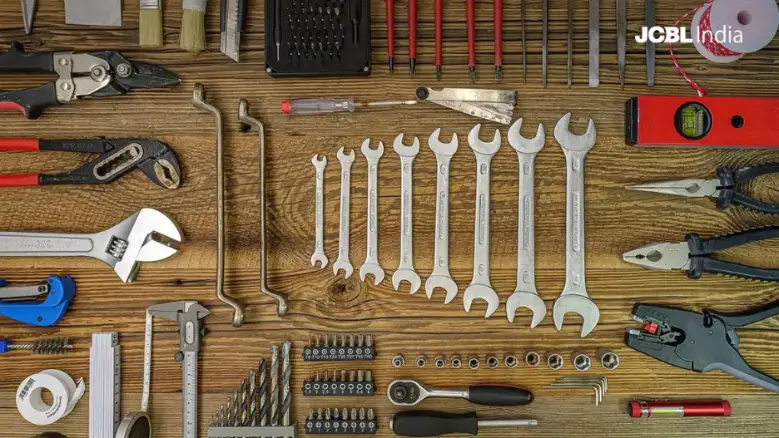
Materials, build quality, and design features to look for
When you ask what is the hand tools, you should also ask what they are made from and how they are built. Material and design define durability, comfort, and accuracy.
- Steel type and heat treatment: look for drop-forged or heat-treated alloy steel for strength.
- Handles and grips: ergonomic, non-slip handles reduce fatigue and improve control.
- Tolerances and fit: well-machined screwdrivers and wrenches fit fasteners snugly to avoid rounding.
- Protective coatings: rust-resistant finishes extend tool life when stored in humid places.
Choosing quality reduces replacements and improves safety. Cheap tools often fail at inopportune moments. From my experience, a well-made plier set lasts years and saves more than it costs.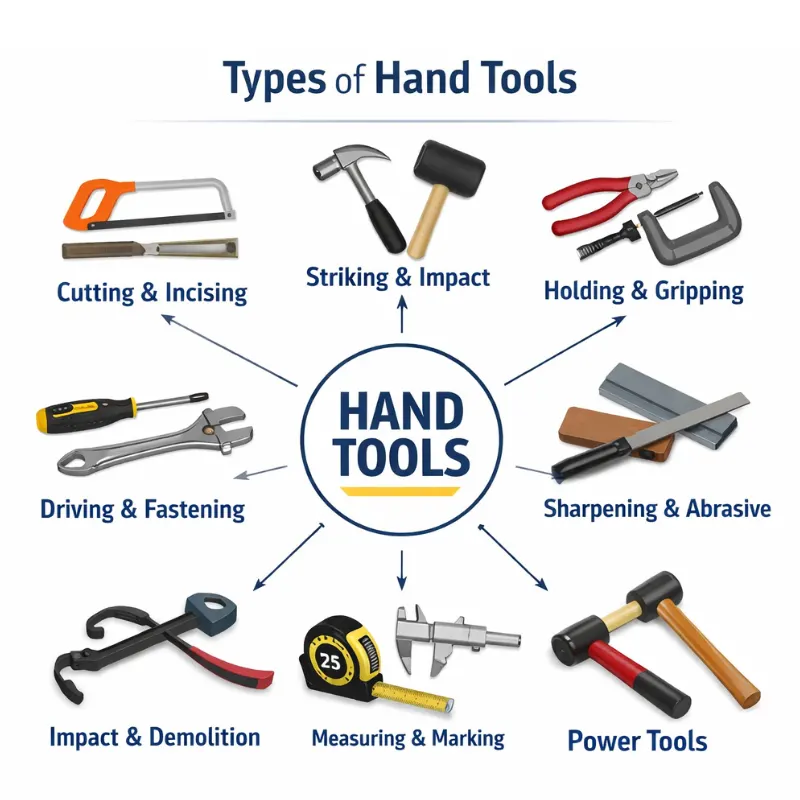
How to choose the right hand tool for a job
Understanding what is the hand tools includes picking the right one for the task. Use these steps.
- Define the task and precision needed.
- Match the tool type to the job: cutting, measuring, fastening, etc.
- Check size and fit: blade length, wrench opening, screwdriver tip size.
- Consider ergonomics and environment: heavy duty vs. fine work.
- Buy one quality tool over many cheap ones.
For example, choose a Phillips screwdriver only when the screw requires it. If a bolt is stubborn, use a wrench with the correct jaw size rather than forcing a mismatched tool. These small choices prevent damage.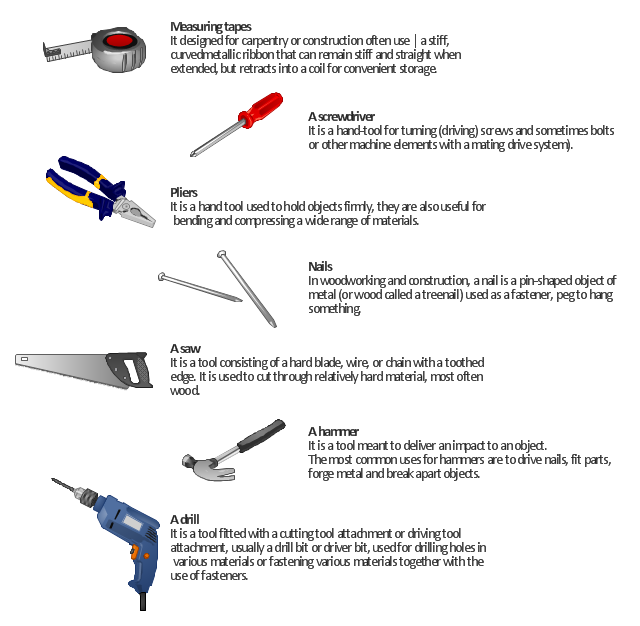
Care, maintenance, and storage tips
Part of knowing what is the hand tools is keeping them ready. Simple maintenance extends life and performance.
- Clean tools after use to remove dirt, resin, and metal filings.
- Lightly oil moving parts and metal surfaces to prevent rust.
- Sharpen blades and chisels on a regular schedule.
- Inspect handles for cracks and replace damaged grips.
- Store tools in a dry toolbox or on a pegboard to stay organized.
I once let a favorite chisel sit damp for months and learned the hard way that rust ruins an edge. Regular care prevents that regret.
Safety best practices
Answering what is the hand tools must include safety. Hand tools seem safe but cause many injuries when misused.
- Wear eye protection for cutting, chiseling, and striking.
- Keep a firm grip and use the right tool for the job to avoid slips.
- Keep cutting tools sharp; dull blades need more force and are more dangerous.
- Secure workpieces with clamps rather than holding by hand.
- Store tools safely to prevent trips and puncture injuries.
A simple rule I use: if you find yourself using extra force, stop and reassess. That usually means the wrong tool, a dull edge, or an unsafe setup.
Common applications and real-life examples
Understanding what is the hand tools includes seeing them in action. Here are practical uses.
- Home repair: tightening hinges, cutting drywall, measuring for shelves.
- Woodworking: planing boards, marking joints, chiseling mortises.
- Automotive: tightening bolts, prying components, measuring gaps.
- Electrical: stripping wires, crimping connectors, measuring voltage with handheld meters.
- Plumbing: cutting pipes, tightening fittings, using basin wrenches in tight spaces.
I built a simple farmhouse table using only hand tools. It taught me patience and gave me better control over the final fit than power tools would have. The table still shows the value of well-chosen, well-cared-for hand tools.
Limitations and when to choose power tools
Part of what is the hand tools is knowing their limits. Hand tools are ideal for control and light work. They are slower for large jobs and limited by human strength.
- Limitations: slower for large cuts, require more physical effort, not ideal for high-volume tasks.
- When to use power tools: large demolition, fast cutting across many boards, jobs requiring high torque.
- When to keep hand tools: precise joinery, tight access, quiet work, lower cost.
A mix of hand and power tools often gives the best results. I use a hand plane for final smoothing and a power planer for rough, large stock removal. This balance respects both speed and finish.
Personal experience, tips, and mistakes to avoid
I’ve carried a small kit of hand tools on jobs for decades. Here are lessons from that time.
- Invest in a good screwdriver set and a decent adjustable wrench first.
- Label and organize tools; wasting time searching costs more than a decent toolbox.
- Don’t force a tool to fit. Use the right size and type to prevent damage.
- Learn sharpening basics; a sharp chisel feels like a new tool.
- Test tools on scrap material before working on final pieces.
A mistake I often made early on was buying the cheapest tool. It failed during a critical moment and cost more to replace. Today I buy selectively and maintain tools well.
Quick answers people search for (PAA-style)
Q: What basic hand tools should every homeowner own?
A: A tape measure, adjustable wrench, set of screwdrivers, hammer, utility knife, and pliers cover most small repairs.
Q: How do I know if a hand tool is high quality?
A: Look for solid construction, good fit and finish, reputable brands, and materials like heat-treated steel and ergonomic handles.
Q: Can hand tools replace power tools?
A: For many precise tasks, yes, but power tools are better for speed and heavy-duty work. Use both where they complement each other.
Frequently Asked Questions of what is the hand tools
What is the difference between hand tools and power tools?
Hand tools are driven by human force. Power tools use electricity, batteries, or compressed air to perform work faster and often with more power.
Are hand tools safe for beginners?
Yes. Hand tools are generally safe when used correctly. Start with basic tools, learn proper technique, and wear simple safety gear like eye protection.
How do I maintain and sharpen hand tools?
Clean and dry tools after use, oil moving parts, and use a sharpening stone or file for blades and chisels. Regular maintenance keeps tools safe and effective.
What hand tools are essential for woodworking?
Essential woodworking hand tools include a hand plane, chisels, a back saw, mallet, marking gauge, and combination square for layout and joinery.
How long do quality hand tools last?
With proper care, quality hand tools can last decades. Many can be passed down through generations if they are maintained and stored correctly.
Conclusion
Understanding what is the hand tools gives you control, precision, and confidence on projects big and small. Use this guide to pick the right tool, care for it, and work safely. Start by building a small, quality toolkit and practice basic skills on scrap material. Your next project will be smoother, safer, and more satisfying.
Try one tip today: clean and oil a tool you already own. If you found this helpful, subscribe, share, or leave a comment about your favorite hand tool.