
Top toolmakers—Snap-on, Wiha, and Stanley—consistently make the best hand tools for pros.
I’ve spent years testing and using hand tools in shops, on job sites, and at home. This guide explains who makes the best hand tools, why certain brands stand out, and how to pick tools that last. Expect clear advice, real-world tips from my experience, and criteria you can use the next time you buy a wrench, screwdriver, or pliers. Read on to learn which makers earn their reputation and how to match their strengths to your needs.
How we judge who makes the best hand tools
We judge tools by simple and clear factors. We look at fit and finish, materials, heat treatment, ergonomics, and warranty. We also test real use: repeated torque, drop tests, and rust exposure. From these checks, it becomes clear who makes the best hand tools in each category and price tier.
Experience matters. I’ve used top-brand ratchets for long jobs and budget screwdrivers for quick fixes. The top makers show consistent construction and feel. That consistency separates brands that make the best hand tools from those that do not.

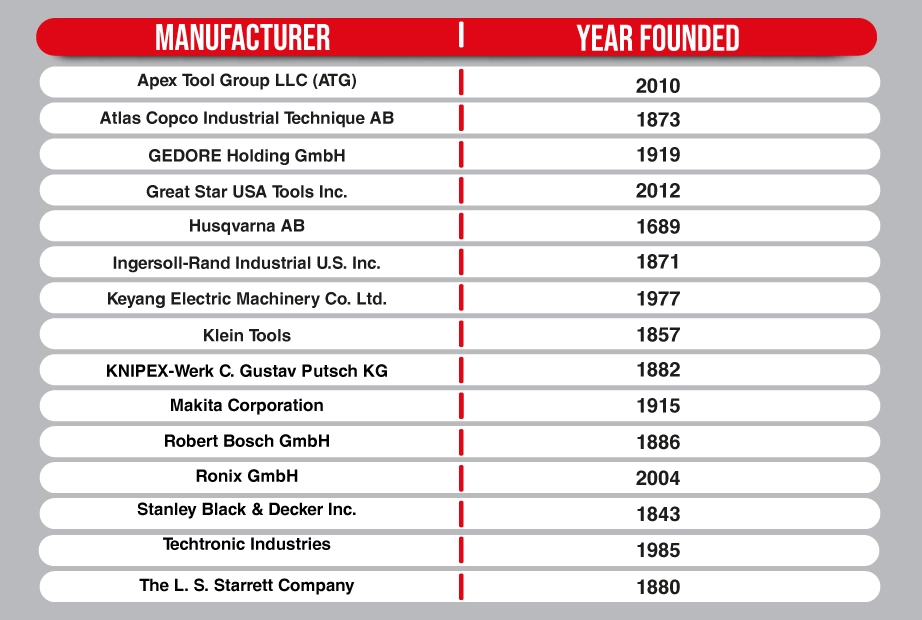
Top brands and what they excel at
Different makers focus on different strengths. Below are the brands I trust and what they do best. This helps answer who makes the best hand tools for your situation.
- Snap-on
- Strengths: premium fit, lifetime service, top torque feel.
- Best for: professional techs and mechanics who need tools every day.
- Wiha and Wera
- Strengths: ergonomic handles, precision tips, and excellent screwdrivers.
- Best for: electricians, techs, and anyone who values tip fit.
- Knipex
- Strengths: world-class pliers, precise manufacturing, long life.
- Best for: trades that need reliable gripping and cutting tools.
- Klein Tools
- Strengths: durable electrician tools and insulated tools.
- Best for: linemen, electricians, and field service techs.
- PB Swiss and FACOM
- Strengths: high-grade steel and precise manufacturing.
- Best for: users who need precision and long life.
- Stanley and Craftsman
- Strengths: wide availability and strong value models.
- Best for: DIYers and home shops on a budget.
- GearWrench and Matco/Mac
- Strengths: good ratchets and sockets; pro-level features at varied price points.
- Best for: mechanics who want modern features and durability.
When you ask who makes the best hand tools, think about the trade-off between price and lifetime cost. High-end makers cost more up front, but their tools often last longer and require fewer replacements.
Materials, construction, and what matters
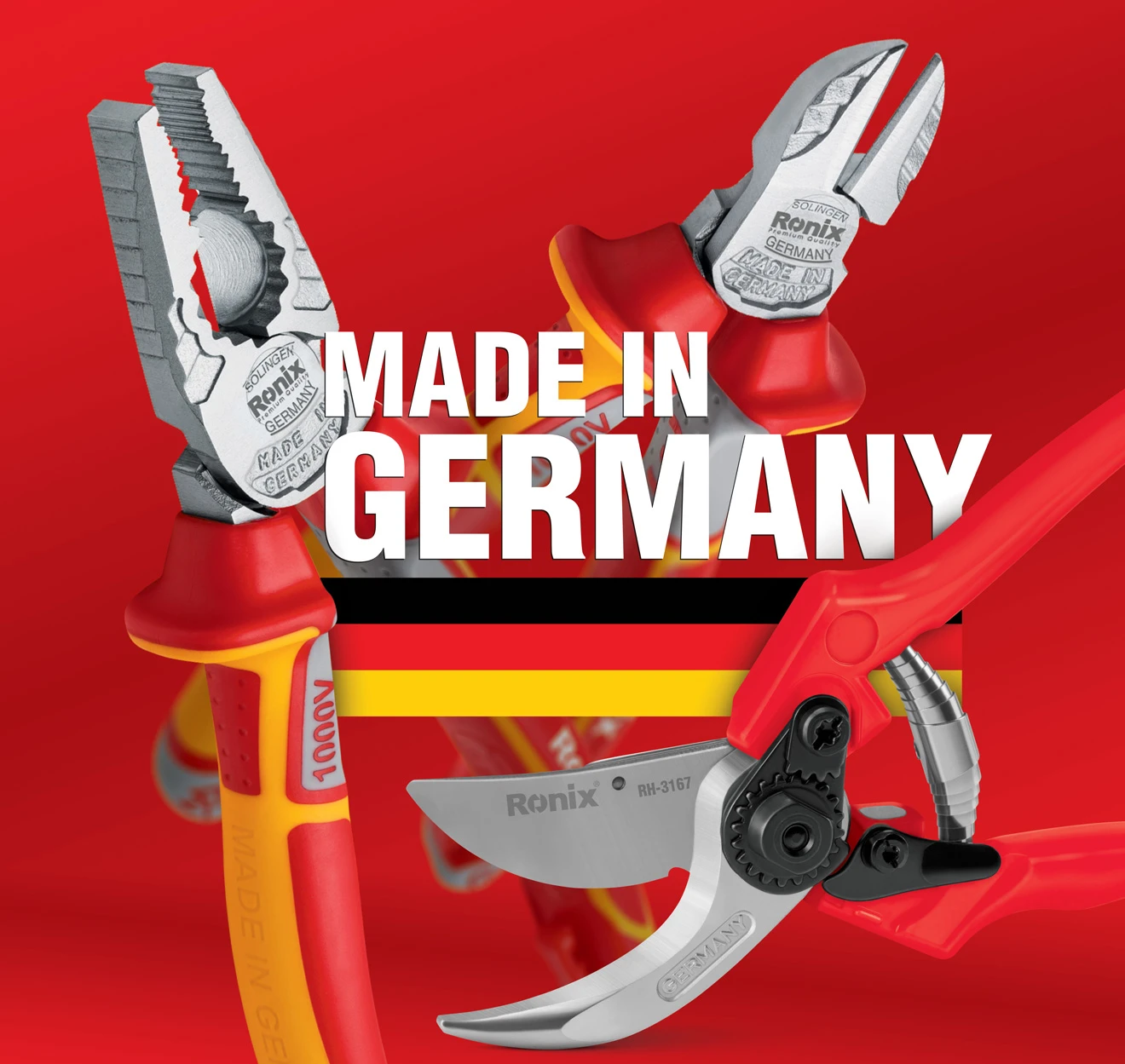
Good hand tools start with good steel and heat treatment. Many top makers use chrome-vanadium or alloy steels. Higher-end brands often use S2 or special tool steels for tips and jaws. Heat treatment affects hardness and toughness. Proper heat treatment gives a balance of strength and resistance to cracking.
Surface finishes matter too. Chrome plating helps resist rust and makes cleaning easier. Black oxide can reduce glare and improve grip on certain tools. Forging versus stamping is important. Forged heads and jaws usually last longer than stamped parts. These details explain why some brands truly make the best hand tools.

Choosing the right brand for your needs
Ask two simple questions: How often will I use this tool? And how critical is reliability? For daily pro use, favor brands known for service and warranty. For occasional use, value brands can be smart buys. Keep these tips in mind:
- For heavy, daily use choose makers with proven shop warranties and repair programs.
- For precision work pick brands known for fit and finish at the tip or jaw.
- For budget projects mix value tools with a few high-quality core items like a good ratchet and pliers.
I’ve learned to buy one great set of core tools and supplement with lower-cost items for rare tasks. That strategy answers who makes the best hand tools for both pros and hobbyists.

Care, maintenance, and getting the most from your tools
Even the best tools need care to last. Clean tools after use to remove dirt and acids. Lubricate moving parts on pliers and ratchets. Store tools dry and organized to avoid knocks and rust. Calibrate torque tools as recommended by the maker.
Warranties matter. Many top brands offer lifetime warranties or repair services. Keep receipts and record serial numbers when possible. Proper care and quick repairs help ensure your tools prove why you chose a brand that makes the best hand tools.
Frequently Asked Questions of who makes the best hand tools
Who makes the most durable hand tools?
Durability often comes from heat-treated steel and robust design. Brands like Snap-on, Knipex, and PB Swiss are commonly cited for long-lasting tools.
Are expensive hand tools worth the cost?
Yes, if you use tools daily or need reliability. High-end tools can save money over time by reducing replacements and downtime.
Which brand is best for electricians?
Klein Tools and Wiha are strong choices for electricians due to insulation options and precision tips. They focus on safety and fit.
How can I spot a high-quality screwdriver?
Look for a precise tip fit, solid shank, and comfortable handle. High-quality screwdrivers hold torque without tip wear or rounding.
Is warranty a good indicator of quality?
A strong, clear warranty often reflects confidence from the maker. Warranties paired with service networks are good indicators of quality.
Conclusion
Choosing who makes the best hand tools comes down to purpose, budget, and care. I recommend investing in a few core high-quality tools from reputable makers and supplementing with value options for occasional tasks. Treat your tools well, register warranties, and match brand strengths to your work. Try one trusted brand for a month on real jobs. If it holds up, you likely found a maker that truly makes the best hand tools. If this guide helped, subscribe for more gear advice or leave a comment with your favorite tool brand.