
Introduction
For most hacksaws used in the United States, the best way to restore cutting power is to replace the blade, not sharpen it. Common hacksaw blades have hardened teeth, very small tooth spacing, and a factory-set tooth pattern that is hard to rebuild by hand.
You can sharpen a hacksaw blade only when the teeth are still present, evenly shaped, and soft enough to file. If the blade has missing teeth, cracks, heavy rust, or a dull metal edge, replacement is safer and faster. A new blade often costs less than the time needed to file dozens of tiny teeth.

Can You Sharpen a Hacksaw Blade?
You can file some hacksaw blades, but many modern blades are not practical to sharpen.
A standard hacksaw blade has teeth that are:
- Small and closely spaced
- Set at a slight angle from side to side
- Often hardened for longer life
- Designed for a specific metal and cutting speed
The tooth set creates a cut slightly wider than the blade body. This keeps the blade from binding in the cut. Filing the teeth unevenly can remove this set and make the blade drag, wander, or bind.
When sharpening may work
Sharpening may be reasonable if:
- The blade is made from softer carbon steel.
- The teeth are dull but not broken.
- You have a fine three-square file.
- You can hold the blade firmly and keep a steady angle.
- The blade is not badly worn or bent.
When to replace the blade
Replace the blade if:
- Several teeth are missing.
- The teeth have different heights.
- The blade is cracked, bent, or deeply rusted.
- The blade has a flexible bi-metal body with hardened teeth.
- A file will not cut the tooth surface.
- The blade slips, binds, or breaks during use.
- You need a reliable cut in thick metal.
A replacement blade is the correct fix for most worn hacksaw blades. Sharpening cannot restore missing teeth, repair metal fatigue, or return the original tooth set.

What You Need Before Sharpening
Gather the right tools before you start. Small hacksaw teeth need more control than force.
You will need:
- A fine three-square file, also called a triangular file
- A vise
- Two pieces of thin wood, cardboard, or leather
- Safety glasses
- Work gloves for handling the blade
- A rag or wire brush
- A marker
- Light machine oil
A file with a safe edge can help prevent damage to the nearby tooth faces. A safe edge is a smooth file edge without cutting teeth.
Do not use a large flat file. It can flatten the tooth points and change the tooth spacing. Do not use a grinding wheel unless you have the proper training and equipment. Heat from grinding can weaken the blade and ruin its temper.
Before filing, clean the blade. Wipe away oil, dirt, and loose rust. Mark the first tooth with a permanent marker so you know where one full pass begins and ends.

How to Sharpen a Hacksaw Blade Step by Step
If the blade passes the condition check, use a light touch. The goal is to refresh each cutting edge, not reshape the entire blade.
1. Remove and inspect the blade
release the tension on the hacksaw frame and remove the blade.
Look along the blade from the side. It should be straight. Then inspect the teeth under bright light. A usable blade has teeth with a similar shape and height.
Discard the blade if you see:
- A crack near a mounting hole
- A deep bend
- Large chips
- Severe pitting
- A section with no teeth
- A sharp change in tooth height
A damaged blade can break under hand pressure. It may also send small metal pieces toward your face.
2. Clamp the blade securely
Place the blade in a vise with the teeth facing upward. Keep only a small amount of the blade above the vise jaws.
Use thin wood, cardboard, or leather between the blade and the jaws. This protects the blade and improves grip.
Do not clamp across the teeth. Clamp the smooth blade body instead. A blade that moves while you file can produce uneven teeth or cut your hand.
3. Match the existing tooth angle
Study the tooth shape before filing. Hacksaw teeth usually lean in one direction. Keep the file aligned with the existing face of each tooth.
Do not try to make the teeth look like a wood saw. Hacksaw teeth are small and normally have a fine, regular pattern.
The file should contact the cutting face and the bottom of the tooth gullet with a controlled stroke. Avoid changing the back of the tooth unless it is clearly damaged.
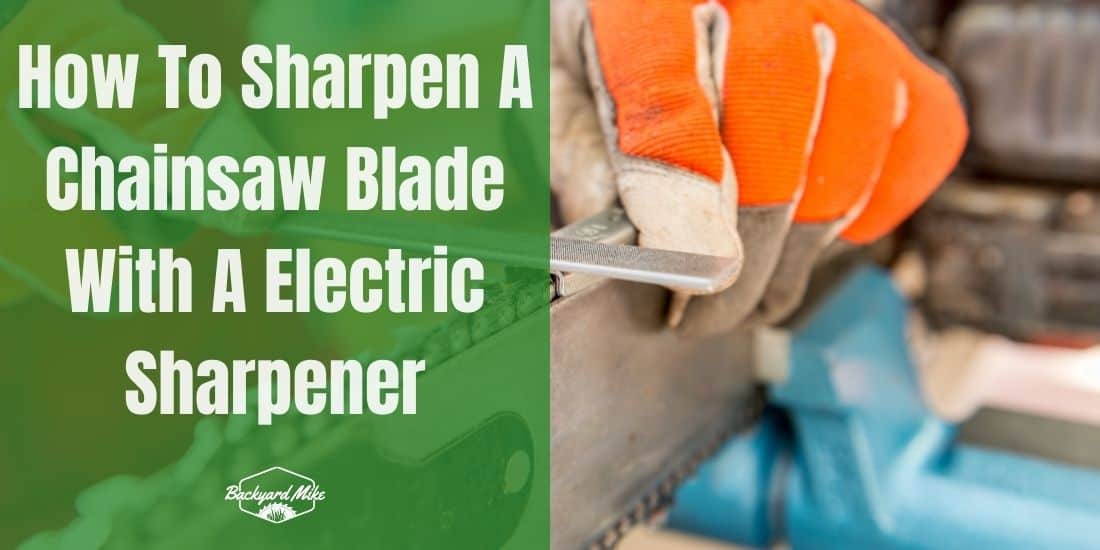
4. File each tooth with one light stroke
Start at the end marked with your permanent marker. Place the triangular file in the first gullet.
Use one light forward stroke. Lift the file on the return stroke. Do not scrub back and forth, because this can round the tooth and create an uneven edge.
Continue across the blade:
- File the first tooth.
- Move to the next tooth.
- Keep the same angle.
- Use the same pressure.
- Stop when a clean bright edge appears.
- Repeat until you reach the marked starting point.
If one tooth needs much more filing than the others, stop and inspect it. It may be bent, broken, or set at the wrong angle. Removing extra metal from one tooth can make that tooth lower than the rest.
5. Check the tooth line
After one pass, wipe the teeth clean and inspect them again.
The teeth should have:
- Similar height
- Clear points
- Clean gullets
- A regular pattern
- No heavily rounded edges
A small shiny line on each cutting edge is normal after filing. Large flat spots mean you filed too much or used the wrong angle.
6. Lightly oil the blade
Wipe away filing dust. Apply a very thin coat of light oil to the blade.
Do not leave a thick layer of oil on the teeth. Excess oil can hold metal chips in the gullets during cutting.
7. Reinstall and tension the blade
Fit the blade with the teeth pointing forward, away from the handle. Most hacksaws cut on the forward push stroke.
Tighten the blade until it feels firm and straight. Do not over-tighten it. Too much tension can damage the frame or cause the blade to break.
Make a short test cut in scrap metal. Use light pressure and watch for binding, wandering, or tooth skipping.

How to Tell Whether the Sharpening Worked
A sharpened hacksaw blade should start a cut without excessive force. It should produce small, consistent chips and follow the line without twisting.
Signs of success include:
- The blade starts cutting without skating.
- The cut feels smooth and steady.
- The blade produces chips rather than dust.
- The teeth remain engaged with the metal.
- The blade does not bind in the cut.
- The cut line stays reasonably straight.
Stop using the blade if it:
- Squeals or chatters
- Jumps out of the cut
- Binds often
- Produces very fine dust instead of chips
- Cuts only on one side
- Feels loose in the frame
- Breaks a tooth during the test
These signs usually point to uneven teeth, the wrong blade pitch, poor tension, or a blade that should have been replaced.

Choosing the Right Replacement Blade
A new blade is often the better solution. Choose the blade by length, tooth pitch, material, and the workpiece thickness.
Blade tooth pitch
Tooth pitch is often listed as teeth per inch, or TPI.
| Workpiece condition | Common starting range |
|---|---|
| Thin sheet metal or tubing | 24–32 TPI |
| General steel work | 18–24 TPI |
| Thick steel or solid stock | 14–18 TPI |
| Aluminum, brass, or other softer metals | Follow the blade maker’s guidance |
Use these values as a starting point, not a universal rule. The key goal is to keep at least two or three teeth in the material during the cut. If too few teeth touch the work, the blade may catch and strip teeth. If too many teeth touch, chips may clog the gullets.
Blade material
Common hacksaw blade types include:
- Carbon steel: Low cost and sometimes easier to file, but less durable.
- Bi-metal: Flexible backing with hardened cutting teeth. It resists breaking but is not normally practical to sharpen.
- High-speed steel edge: Designed for hard cutting work and usually treated as disposable when dull.
Check the blade package or manufacturer’s instructions. Blade appearance alone does not always reveal the metal or heat treatment.
Blade length
A replacement blade must fit the hacksaw frame. Common U.S. hand-hacksaw lengths include 10 and 12 inches, but frames vary.
Measure the old blade from mounting hole to mounting hole. Do not choose by the overall frame size alone.

Common Mistakes When Sharpening a Hacksaw Blade
The most common mistake is treating a hacksaw blade like a large wood saw. Hacksaw teeth are smaller, harder, and more closely controlled.
Avoid these errors:
Filing too aggressively
Heavy pressure removes too much metal and can flatten the tooth points. A sharp file and light strokes work better.
Filing every other tooth from the wrong side
This changes the tooth shape and may remove the set. Follow the existing tooth pattern instead.
Trying to sharpen hardened teeth
If the file skates across the tooth, the tooth may be hardened. Do not force the file. Replace the blade.
Ignoring tooth set
A blade with no effective set can pinch in the cut. Filing the sides of the teeth is not a practical way to restore factory set by hand.
Using the wrong blade pitch
A sharp blade can still cut poorly if the tooth pitch does not match the workpiece. Select a finer pitch for thin stock and a coarser pitch for thick stock.
Cutting with too much pressure
Let the teeth do the work. Excess force can bend the blade, strip teeth, or cause the blade to break.
Reusing a blade after it overheats
Blue or heavily discolored metal may indicate overheating. Heat can change the blade’s hardness and strength. Replace it rather than trusting it for another demanding cut.

Sharpening Versus Replacing a Hacksaw Blade
For most home repairs, replacement is the safer and more practical option.
| Situation | Best choice |
|---|---|
| One or two slightly dull teeth on a soft-steel blade | Carefully file and test |
| Hardened bi-metal blade | Replace |
| Missing or broken teeth | Replace |
| Bent or cracked blade | Replace |
| Blade binds after filing | Replace |
| Occasional household use | Keep spare blades |
| Special vintage or hard-to-find blade | Attempt careful filing only if undamaged |
A new blade also gives you a chance to correct the original setup. You can choose a better TPI, install it in the correct direction, and set the proper tension.
Safety Rules for Hacksaw Blades
Wear safety glasses whenever you clean, file, install, or test a hacksaw blade. Tiny metal filings can become airborne.
Use gloves while handling the blade, but keep your fingers away from the teeth. Gloves do not make a sharp blade safe. Clamp the blade before filing and keep your free hand behind the file.
Never test a blade near your face or body. If the blade cracks during a cut, release pressure and step clear. Dispose of damaged blades in a rigid container or wrap them before placing them in the trash.
If you are cutting unknown painted, coated, or plated metal, avoid creating dust and use suitable ventilation. Some coatings may contain hazardous substances. Do not sand or grind such materials without knowing what they contain.
Frequently Asked Questions
Can you sharpen a bi-metal hacksaw blade?
Usually, no. Bi-metal blades commonly have hardened teeth welded to a flexible backing. A normal file may not cut the teeth, and trying to grind them can damage their heat treatment. Replace the blade when it becomes dull.
Can I use a Dremel tool to sharpen a hacksaw blade?
It is possible to remove metal with a rotary tool, but it is not a good method for most hand hacksaw blades. The tool can overheat the teeth, change their shape, and remove the tooth set. A replacement blade is usually safer and more consistent.
Why does my hacksaw blade dull so quickly?
The blade may have the wrong TPI, too much cutting pressure, poor tension, or a workpiece that is harder than the blade. Cutting dirty or abrasive metal can also wear the teeth quickly. Use cutting oil when suitable for the metal and keep the blade straight.
Which way should hacksaw teeth face?
The teeth normally face away from the handle because a standard hacksaw cuts on the forward push stroke. Check the frame instructions if you use a specialized saw or a model with a different cutting action.
How long should a hacksaw blade last?
There is no single service life. Blade life depends on the blade material, tooth pitch, workpiece, pressure, cutting speed, and lubrication. Replace the blade when it skips, binds, cuts slowly despite proper technique, or has damaged teeth.
Final Answer
You can sharpen a hacksaw blade with a fine triangular file when the blade has soft, intact teeth and no structural damage. Clamp it securely, match the original tooth angle, use light single strokes, and inspect the tooth line before testing it.
For most modern hacksaw blades, especially bi-metal blades, replacement is the better choice. It restores the correct tooth hardness and set without risking a weak or uneven blade.