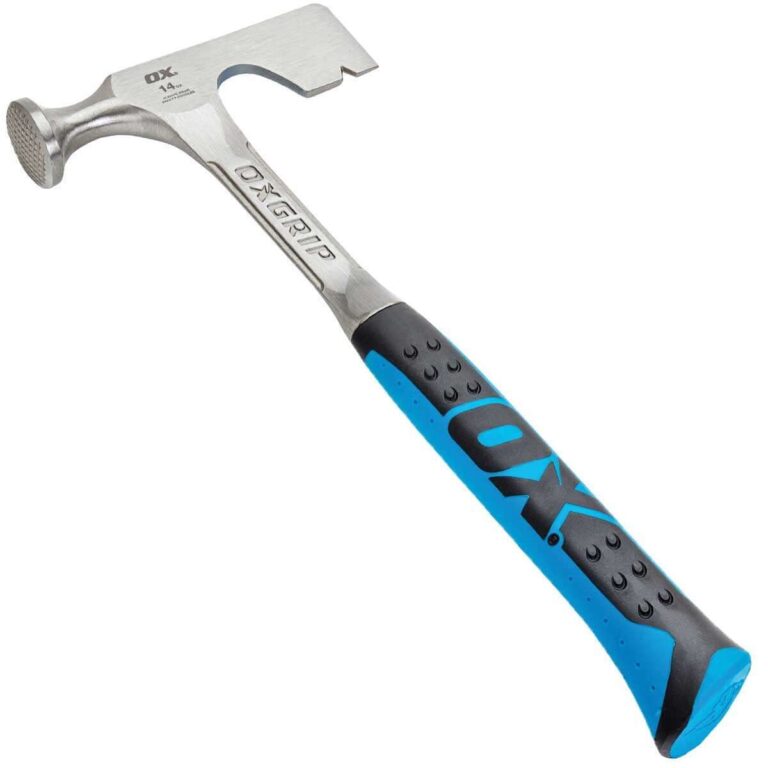
How Is The Size Of A Claw Hammer Determined: Explained
Introduction
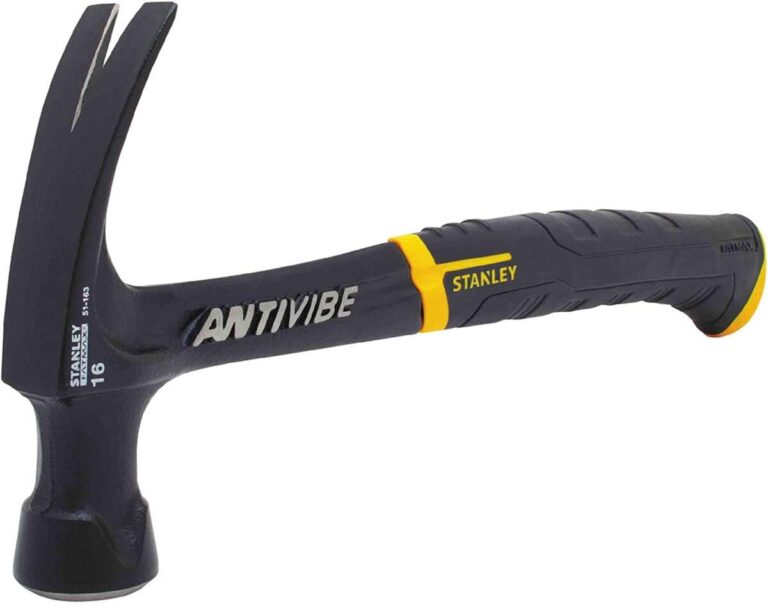
In the United States, a claw hammer’s size is determined mainly by the weight of its metal head, measured in ounces. A 16-ounce claw hammer, for example, has a head that weighs about 1 pound before the handle is added.
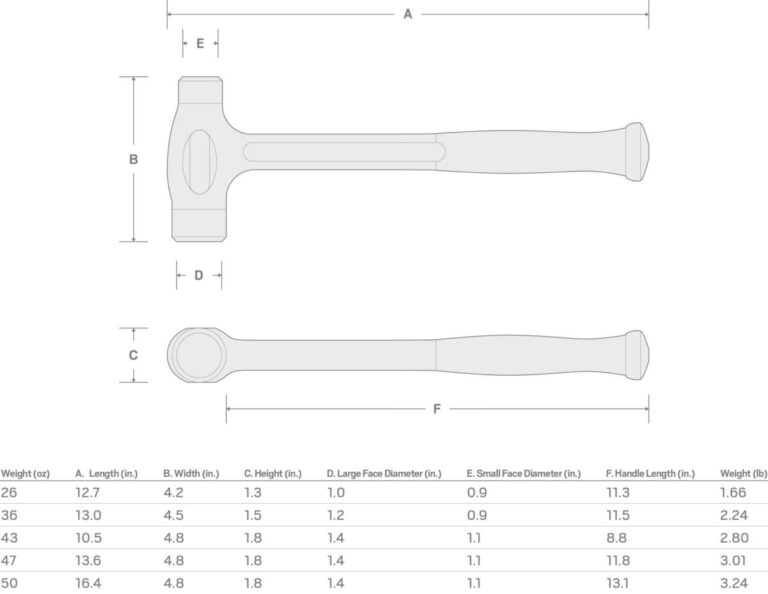
However, head weight is only one part of the tool’s size. The hammer’s overall length, face diameter, handle material, claw shape, and balance also affect how large and powerful it feels. There is no single U.S. standard that defines one measurement as the complete “size” of every claw hammer.

What Does the Size of a Claw Hammer Mean?
The size of a claw hammer usually refers to three related measurements:
- Head weight: The main size rating, such as 8, 12, 16, or 20 ounces.
- Overall length: The distance from the hammer face to the end of the handle.
- Head and face dimensions: The width of the striking face and the shape of the claw.
When someone asks for a “16-ounce hammer,” they usually mean a hammer with a 16-ounce head, not a tool that weighs 16 ounces in total.
Head weight is the main size rating
Hammer makers use head weight because it gives a simple way to compare striking power. A heavier head can deliver more force when swung at a similar speed.
Common U.S. claw hammer sizes include:
| Head weight | Approximate head mass | Typical use |
|---|---|---|
| 8 oz | 0.5 lb | Small brads, crafts, light household work |
| 12 oz | 0.75 lb | Light repair and finish work |
| 16 oz | 1 lb | General household and carpentry work |
| 20 oz | 1.25 lb | Framing and heavier nail driving |
| 24 oz or more | 1.5 lb or more | Heavy construction and demolition tasks |
These are common market sizes, not universal legal categories. One manufacturer’s 16-ounce hammer may have a different handle length, face shape, or balance than another manufacturer’s model.
The handle is not normally included in the ounce rating
A 16-ounce hammer does not usually weigh 16 ounces from end to end. The listed rating applies primarily to the forged steel head.
The complete tool weighs more because the handle adds mass. A wooden handle may weigh less than a fiberglass or steel-core handle. For that reason, two 16-ounce hammers can have different total weights while carrying the same head-weight rating.
Why Is Head Weight Used to Determine Hammer Size?
Head weight is used because it affects the hammer’s momentum and the amount of energy it can transfer to a nail or work surface.
A basic physics relationship is:
[
\text{Momentum} = \text{Mass} \times \text{Velocity}
]
A heavier head has more mass. A faster swing increases velocity. In actual use, the result also depends on the user’s technique, handle length, grip, balance, and the hardness of the material.
A heavier hammer is not automatically better. It may drive large nails well, but it can be tiring and harder to control. A lighter hammer may be easier to aim, especially when driving small nails into trim or finished wood.
What the ounce rating tells you
the head-weight rating gives a useful starting point for estimating:
- How much force the hammer can deliver
- How tiring the hammer may be during repeated use
- What size nails it can handle comfortably
- How much control it may provide for delicate work
It does not tell you the entire performance story. A well-balanced 16-ounce hammer may feel easier to use than a poorly balanced 12-ounce hammer.

How Do Handle Length and Balance Affect Hammer Size?
Handle length changes the hammer’s reach, swing speed, and control. A longer handle can create a wider swing and may help generate more speed. A shorter handle usually gives the user more control in tight spaces.
Many general-purpose claw hammers sold in the United States have handles in roughly the 13- to 16-inch range, but the exact length varies by design and manufacturer. Framing hammers may have longer handles, while compact household hammers may be shorter.
Longer handles
A longer handle may help when:
- You need more swing power
- You are driving large nails
- You have room to swing safely
- You are doing framing or rough construction
The trade-off is reduced control in confined spaces. A long handle can also increase fatigue if the user must work overhead or make many repeated swings.
Shorter handles
A shorter handle may work better when:
- You are hanging pictures
- You are repairing furniture
- You are working inside cabinets
- You need careful nail placement
- You have limited room to swing
Short handles do not always mean a weak hammer. They usually indicate a design aimed at control and convenience rather than maximum reach.
Balance matters as much as length
Balance describes how the tool’s weight is distributed between the head and handle. A hammer with a head-heavy balance may feel powerful but can require more effort to control. A more evenly balanced hammer may feel smoother during light work.
To check balance safely, hold the hammer near the end of the handle with a firm grip and make a small, controlled practice motion away from people and fragile objects. The tool should not pull sharply in an unexpected direction.
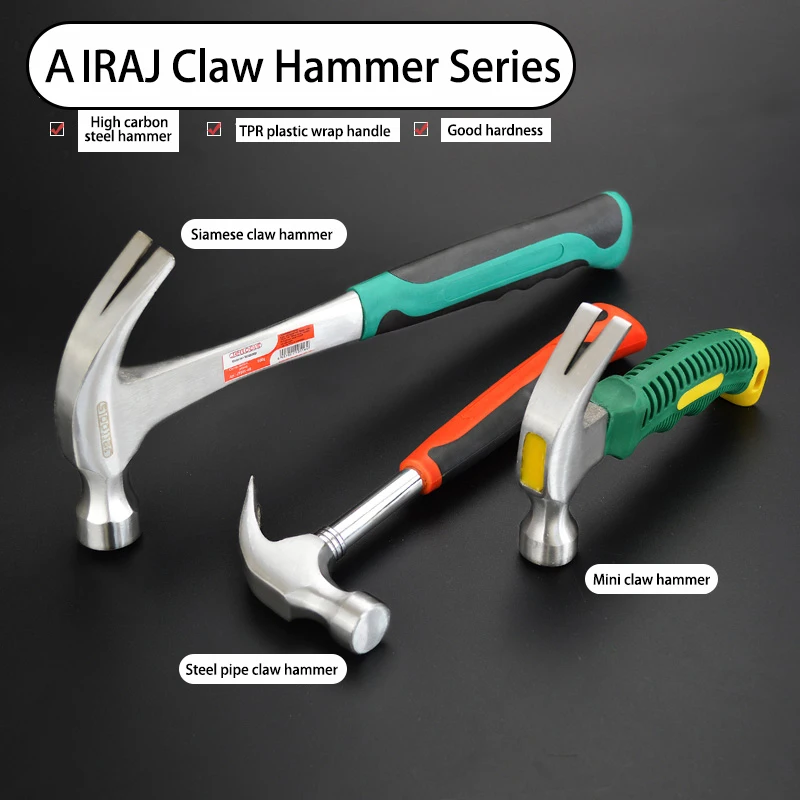
Does the Claw Determine the Size of the Hammer?
Usually, no. The claw affects the hammer’s function, but the head-weight rating normally determines its listed size.
The claw may be:
- Curved: Better suited to pulling nails
- Straight: Often used for prying, splitting, or rough construction
- Narrow: Useful when reaching into small gaps
- Wide: May provide more contact with a nail head or surface
Claw shape changes leverage and access. It does not necessarily mean that a hammer with a larger-looking claw has a heavier or larger head.
The claw’s thickness and shape should match the work. A thin claw may reach tight spaces but can bend or damage more easily if used for heavy prying. A claw hammer is not a substitute for a dedicated pry bar when significant leverage is required.
How to Choose the Right Claw Hammer Size
Choose the hammer by matching the head weight and handle design to the work, not by selecting the largest tool available.
For light household tasks
An 8- to 12-ounce hammer can be suitable for:
- Small picture-hanging nails
- Brads and small fasteners
- Light furniture repair
- Craft projects
- Small trim work
A lighter hammer can reduce accidental dents in wood and may be easier for a new user to control.
For general home repair
A 16-ounce claw hammer is a common all-purpose choice for:
- Driving ordinary nails
- Minor carpentry
- Basic repairs
- Building simple wood projects
- Removing standard nails
It offers a practical balance between force and control. It is often the most versatile size for a homeowner who wants one general-purpose claw hammer.
For framing and heavy work
A 20-ounce hammer may be more appropriate for:
- Larger framing nails
- Repeated construction work
- Heavy-duty wood assembly
- Driving nails into dense lumber
A heavier hammer can reduce the number of swings needed, but it can also increase fatigue and the risk of a missed strike. Professional framing work may use heavier hammers, longer handles, textured faces, and straight claws, depending on the task.
Decision table
| Your main task | Suggested starting size | Main reason |
|---|---|---|
| Small nails and brads | 8–12 oz | Better control |
| Household repairs | 12–16 oz | Balanced general use |
| General carpentry | 16 oz | Versatile force and control |
| Framing | 20 oz or more | More force for large nails |
| Tight spaces | Shorter handle | Easier positioning |
| Repeated heavy work | Heavier head and suitable handle | Fewer swings, with more fatigue |
These are starting points rather than strict rules. Nail diameter, wood hardness, working height, and user strength can change the best choice.

How to Compare Two Claw Hammers of the Same Size
If two hammers have the same head-weight rating, compare the features that affect control and durability.
1. Check the overall length
Measure from the striking face to the end of the handle. A longer hammer may produce more swing speed, while a shorter one may be easier to control.
2. Compare the face
The face is the part that strikes the nail. Common features include:
- Smooth faces for finished work
- Textured or milled faces for reduced slipping
- Larger faces for easier target contact
- Smaller faces for more precise strikes
A textured face can leave marks in wood. Use a smooth face when surface appearance matters.
3. Inspect the handle
Wood, fiberglass, and steel-core handles have different characteristics.
- Wood: Light, traditional, and often replaceable; it can split or loosen if damaged.
- Fiberglass: Resists some common damage and can reduce vibration, depending on the design.
- Steel-core or steel handles: Strong and rigid, but may transmit more vibration unless the grip is designed to reduce it.
The handle should be straight, secure, and free from cracks, splits, soft spots, or movement at the head.
4. Consider the grip
A grip should feel secure without forcing you to squeeze too hard. A very hard or narrow grip may increase discomfort during repeated work. A thick, soft grip may feel comfortable but can reduce feedback or make the handle harder to control for smaller hands.
5. Look at the head-to-handle connection
The head should not wobble or shift. On a wooden-handled hammer, the eye of the head and the wedge system should hold the head firmly in place. On other designs, inspect the connection for cracks, separation, or visible damage.
How to Measure a Claw Hammer Yourself
You can measure a claw hammer with a household scale and a tape measure.
Step 1: Identify the marked head weight
Look for markings on the hammer head, packaging, or manufacturer’s specification sheet. The mark may show a number followed by “oz.”
Do not assume that the total tool weight equals the marked number.
Step 2: Weigh the complete hammer
Place the entire hammer on a scale. Record the result in ounces or pounds. This measurement includes both the head and the handle.
Step 3: Measure overall length
Place the hammer flat on a stable surface. Measure from the front of the striking face to the end of the handle.
Step 4: Measure the face if needed
Measure the diameter or width of the striking face. This can help you compare precision and target area, but face size is not normally the primary size rating.
Step 5: Check the balance
Hold the hammer in a normal working grip. Notice whether the head pulls strongly forward or whether the tool feels centered. Balance is subjective, so use it as a practical comparison rather than a formal measurement.
Common Mistakes When Interpreting Claw Hammer Size
Mistake 1: Assuming a 16-ounce hammer weighs 16 ounces total
The ounce label generally describes the head. The complete hammer will weigh more.
Mistake 2: Choosing the heaviest hammer
More weight can mean more striking force, but it can also mean more fatigue, less control, and more damage from missed strikes.
Mistake 3: Ignoring handle length
Two hammers with identical head weights may feel very different because one has a longer or heavier handle.
Mistake 4: Treating all 16-ounce hammers as identical
Head design, balance, face diameter, claw geometry, grip, and handle material can change the way a hammer performs.
Mistake 5: Using a claw hammer as a pry bar
The claw can pull nails and perform limited light prying. Do not use a hammer for forceful prying if the tool is not designed for it. A dedicated pry bar is safer and better suited to heavy leverage.
Safety Tips for Using a Claw Hammer
Use eye protection when driving nails, pulling nails, or striking any hard material. A nail, chip, or damaged piece of metal can fly toward the user.
Before use:
- Check that the head is tight.
- Replace a cracked or split handle.
- Do not use a hammer with a loose head.
- Keep your free hand out of the swing path.
- Secure small workpieces instead of holding them near the striking area.
- Use the lightest hammer that completes the task effectively.
- Avoid striking hardened steel objects unless the hammer is designed for that purpose.
The Occupational Safety and Health Administration’s U.S. hand-tool rule requires employers to keep tools and equipment in safe condition; its general hand-tool guidance is available in 29 CFR 1910.242. Home users should apply the same basic principle: do not use a damaged or poorly secured hammer.
Frequently Asked Questions
Is a 16-ounce claw hammer good for general use?
Yes. A 16-ounce claw hammer is a common middle-size option for household repairs and general carpentry. It provides more force than a light trim hammer without being as tiring as many heavier framing hammers.
Is a 20-ounce hammer better than a 16-ounce hammer?
Not in every situation. A 20-ounce hammer may work better for large nails and repeated framing, while a 16-ounce hammer may offer better control for household work and smaller fasteners.
Does a longer hammer handle make it stronger?
A longer handle can increase swing speed and leverage, but it does not automatically make the hammer stronger. Strength also depends on the head, handle material, construction, and connection between the parts.
What size claw hammer is best for a beginner?
A 12- to 16-ounce hammer is often a practical starting point. A 12-ounce model may be easier to control, while a 16-ounce model offers more versatility for common home repairs.
How do I know if my hammer is too heavy?
The hammer may be too heavy if you lose control, tire quickly, miss the nail often, or need to use excessive effort to guide the swing. Choose a lighter head or shorter handle if the work can still be completed safely.
Conclusion
A claw hammer’s listed size is determined primarily by the weight of its head, measured in U.S. ounces. The handle is usually not included in that rating.
For a complete comparison, also check handle length, total weight, face size, claw design, balance, grip, and the condition of the head-to-handle connection. For most U.S. household work, a 12- to 16-ounce claw hammer offers a useful balance of control and striking power; heavier models are better reserved for larger nails and demanding construction tasks.
Recent Tool Guides
 Hammer
How To Hammer Flowers Onto Paper: Easy Guide
Learn how to hammer flowers onto paper with simple steps, helpful tips, and beautiful results for...
Read Guide → Wrench
How To Use A Hex Wrench: Easy Step-By-Step Guide
Learn how to use a hex wrench correctly with simple steps, helpful tips, and common mistakes...
Read Guide → Hacksaw
How To Cut Curtain Pole With Hacksaw: Easy Guide
Learn how to cut curtain pole with hacksaw safely and neatly. Follow simple steps for accurate...
Read Guide → Wrench
How To Use A Husky Torque Wrench: Easy Guide
Learn how to use a Husky torque wrench correctly with simple steps, torque settings, and safety...
Read Guide → Hammer
How To Hold A Hammer: Safe Grip Guide
Learn how to hold a hammer with the right grip, stance, and technique for safer, more...
Read Guide → Hacksaw
How To Cut Flexible Metal Conduit With Hacksaw: Easy Guide
Learn how to cut flexible metal conduit with hacksaw safely and cleanly. Follow simple steps for...
Read Guide →