

Most hand saws are made from hardened carbon steel, alloy steel, or flexible spring steel for strength and sharpness.
The answer to what steel are hand saws made from depends on the saw’s job, tooth design, and needed flexibility. A carpenter’s handsaw, a pruning saw, and a metal-cutting hacksaw may look similar, but each uses steel with different levels of hardness, toughness, and wear resistance. This guide explains the main steel types, how manufacturers treat them, and how to choose the right blade for your work.
What steel are hand saws made from?
Most hand saws use carbon steel or alloy steel. These materials offer a useful balance of hardness, toughness, cost, and ease of production. The steel must hold a sharp tooth while resisting cracks when the blade bends during use.
When people ask what steel are hand saws made from, they often expect one exact grade. In practice, manufacturers choose from several steel families. The final blade may also have different zones, such as hard teeth and a more flexible body.
Common choices include:
• High-carbon steel for sharp, durable teeth
• Medium-carbon steel for general-purpose saws
• Spring steel for thin blades that must flex
• Alloy steel for greater toughness and wear resistance
• Stainless steel for corrosion resistance
• Bi-metal steel for blades that combine hard teeth with a flexible back
The steel grade is only part of the story. Heat treatment, tooth shape, blade thickness, and surface coating also affect how a saw performs.

Carbon steel in hand saw blades
Carbon steel is the most common answer to what steel are hand saws made from, especially for woodworking saws. It contains iron and carbon, with carbon levels that can vary according to the required hardness and flexibility.
High-carbon steel is popular because it can be hardened to hold a sharp cutting edge. Its teeth can stay effective through repeated cuts in softwood, hardwood, plywood, and other wood products.
Typical benefits include:
• Sharp, clean-cutting teeth
• Good wear resistance after heat treatment
• Relatively low manufacturing cost
• Easy grinding and tooth shaping
• Good performance in woodworking applications
Carbon steel also has limits. It can rust when exposed to moisture, sweat, sap, or poor storage conditions. A thin coat of protective oil and a dry storage area can greatly extend blade life.
Some traditional hand saws use hardened and tempered carbon steel across the entire blade. Others use a softer blade body with hardened teeth. This design helps the blade remain strong without becoming too brittle.
A carbon steel saw is not automatically low quality. Many excellent woodworking saws use carefully treated carbon steel. The quality depends on the steel grade, heat treatment, tooth geometry, and manufacturing control.
High-carbon steel and hardened saw teeth
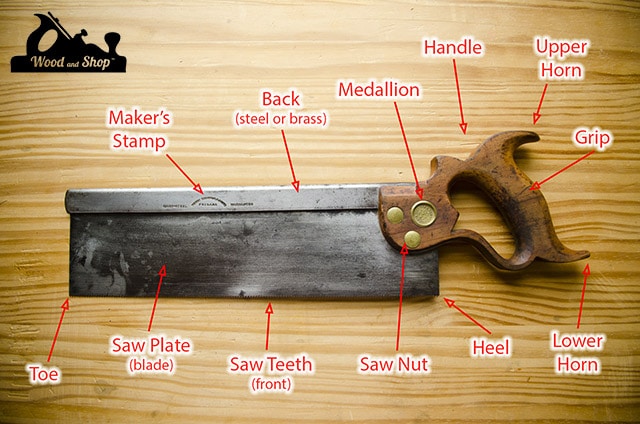
High-carbon steel contains more carbon than basic mild steel. That extra carbon allows the steel to reach a higher hardness during heat treatment. This is important because saw teeth need a hard edge to cut wood instead of folding over.
Manufacturers usually heat the blade, cool it in a controlled way, and then temper it. Tempering reduces some brittleness and gives the steel a better balance of hardness and toughness.
This process creates two important properties:
• Hardness helps teeth resist dulling
• Toughness helps the blade resist cracking or sudden breakage
A very hard tooth can cut well but may chip if it strikes a nail. A softer tooth may survive impact but lose its edge quickly. Good saw design balances these risks.
Many modern handsaws have impulse-hardened teeth. In this process, electrical energy heats the tooth tips very quickly. The teeth become very hard while the blade body stays more flexible.
Impulse-hardened teeth may last longer than ordinary teeth. However, they are often difficult or impossible to sharpen with a standard hand file. When they become dull, replacement is usually more practical.

Spring steel for flexible hand saws
Spring steel is another important answer to what steel are hand saws made from. It is used when a blade must bend repeatedly without taking a permanent set or breaking.
Pruning saws, coping saw blades, flexible flush-cut saws, and some folding saws may use spring-like steel. The exact grade varies, but the goal remains the same: strong elastic movement with good fatigue resistance.
Spring steel usually has these traits:
• High strength
• Good flexibility
• Strong resistance to repeated bending
• Moderate to high carbon content
• Reliable performance in thin sections
A flexible saw blade is useful when the cut follows a curve or when the blade must fit into a narrow space. The blade can bend slightly and return to its original shape.
Flexibility does not mean softness. A spring steel blade may still have hardened teeth. In many designs, the blade body is tough and flexible while the tooth edges receive extra hardening.
A common workshop mistake is bending a hand saw too far to test its quality. A small amount of flex is normal, but sharp bends can damage the blade. Always follow the saw maker’s instructions.

Alloy steel used in hand saws
Alloy steel contains added elements such as chromium, nickel, molybdenum, vanadium, or manganese. These elements can improve strength, toughness, hardenability, wear resistance, or corrosion performance.
Alloy steel is common in demanding saws and premium blades. It helps manufacturers create thin blades that remain strong under load.
Depending on the alloy, the steel may offer:
• Better resistance to tooth wear
• Improved toughness during impact
• Greater strength in thin blades
• More consistent heat treatment
• Better resistance to fatigue
Vanadium, for example, can help produce a fine grain structure and improve wear resistance. Chromium can improve hardenability and provide some corrosion resistance, although ordinary chromium alloy steel is not the same as stainless steel.
The exact alloy is often not printed on a consumer saw. Manufacturers may list only terms such as “high-carbon steel,” “hardened steel,” or “alloy steel.” These descriptions are useful, but they do not reveal the full chemical composition.
For professional work, technical data sheets or manufacturer specifications provide more reliable information than marketing labels.

Stainless steel hand saw blades
Stainless steel is used when rust resistance matters. It contains enough chromium to form a thin protective oxide layer on the surface. This layer helps slow corrosion in damp conditions.
Stainless steel can be useful for:
• Outdoor cutting tools
• Fishing and marine environments
• Food-related cutting applications
• Survival and camping saws
• Tools stored in humid locations
Stainless steel is not always the hardest or best-wearing choice. Some stainless grades are softer than high-carbon blade steels. Others can be heat treated to achieve high hardness and good edge retention.
This trade-off explains why many saws use carbon or alloy steel instead of stainless steel. A carbon steel blade may cut aggressively and hold its teeth well, but it needs more care. A stainless blade may resist rust better, but its cutting life depends heavily on its grade and heat treatment.
Stainless steel can still stain or corrode under harsh conditions. Saltwater, acidic sap, and trapped moisture can damage even corrosion-resistant steel. Cleaning and drying remain important.

Bi-metal steel hand saw blades
Bi-metal construction combines two different steels in one blade. It is common in hacksaw blades and other blades designed to cut metal.
The teeth usually use a hard, wear-resistant steel such as high-speed steel. The blade back uses a tougher spring steel that can flex without breaking.
This design solves a major problem. Hard steel makes excellent teeth, but a blade made entirely from very hard steel may be brittle. Tough steel makes a durable body, but its teeth may wear too quickly.
Bi-metal construction provides:
• Hard teeth for long cutting life
• A flexible back for impact resistance
• Better performance in metal and thick materials
• Reduced risk of sudden blade breakage
• Good value for demanding work
When asking what steel are hand saws made from, a bi-metal blade may have more than one answer. The tooth edge and blade body are intentionally made from different materials.
Some advanced blades use welded joints between the two steels. The weld must be strong and carefully controlled. A poor joint can lead to tooth loss or blade failure.
How heat treatment changes saw steel
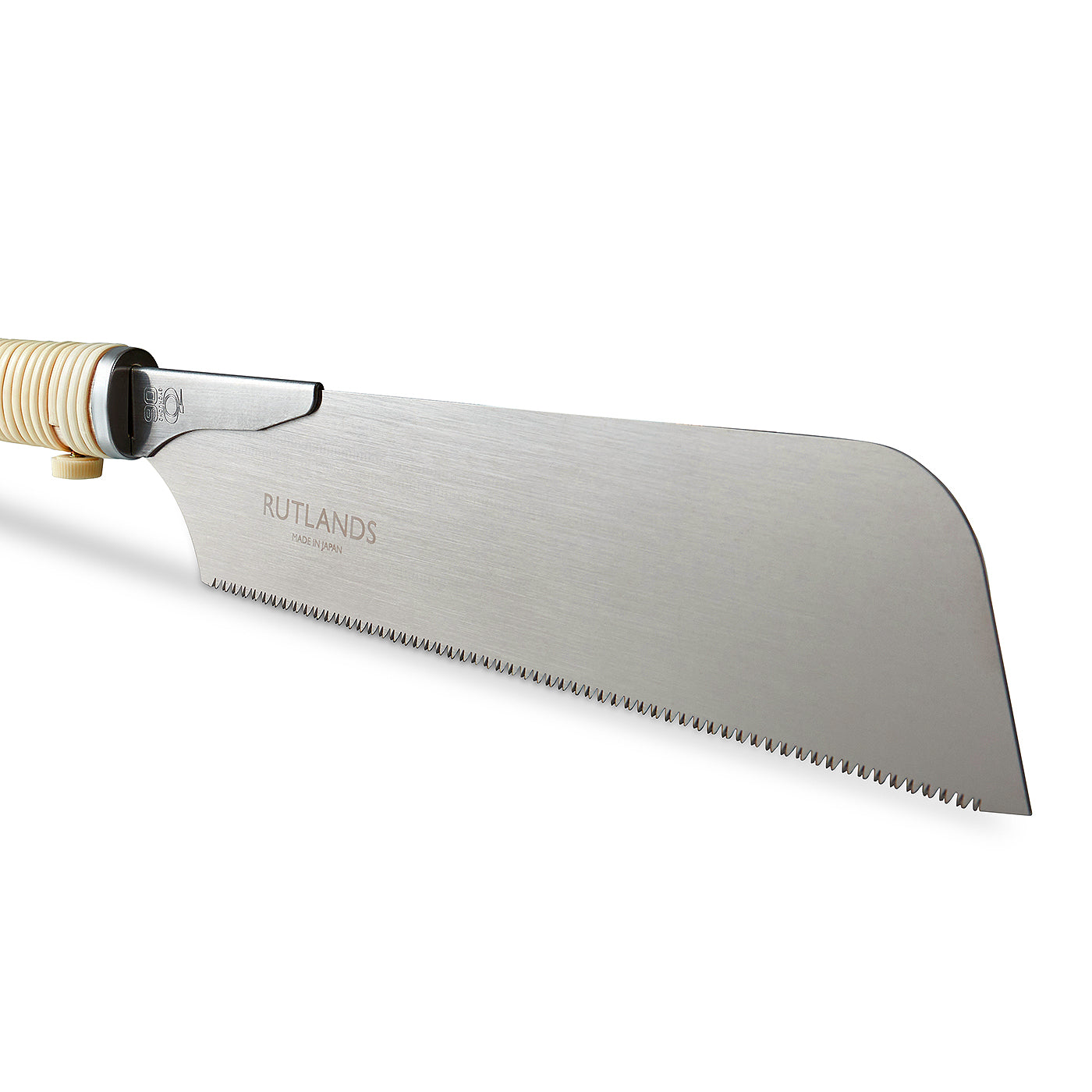
Steel composition matters, but heat treatment often decides whether a saw performs well. Heat treatment changes the internal structure of the steel and controls its hardness, strength, and toughness.
A basic process may include:
- Heating the steel to a controlled temperature
- Quenching it in oil, water, air, or another medium
- Tempering it to reduce brittleness
- Grinding and setting the teeth
- Applying a protective finish
Manufacturers may harden the whole blade or only the teeth. Whole-blade hardening can produce a strong cutting tool, but it may make sharpening more difficult. Selective tooth hardening allows a flexible body and hard cutting edges.
The best hardness depends on the application. A wood saw needs teeth that resist wear from timber fibers and occasional grit. A hacksaw blade must survive contact with hard metal. A pruning saw must handle green wood, dirt, and twisting forces.
Hardness is often measured with Rockwell testing. A higher hardness value does not always mean a better saw. If the steel is too hard for the job, the teeth may chip instead of wearing gradually.

Why saw teeth may be harder than the blade body
Many hand saws use different hardness levels across the blade. This design gives the saw a durable edge and a safer, more flexible body.
The teeth must resist:
• Rounding
• Bending
• Abrasion
• Heat from friction
• Small impacts during cutting
The body must resist:
• Bending
• Vibration
• Cracking
• Permanent distortion
• Fatigue from repeated use
These needs can conflict. A very hard blade body may snap. A very soft tooth edge may dull quickly. By controlling heat treatment, manufacturers can give each part a suitable role.
This is similar to a kitchen knife with a hard edge and a tougher spine. The blade works because each area handles a different type of stress.
Some hand saws also have teeth that are “set.” Setting means bending alternate teeth slightly left and right. The wider cut, called the kerf, gives the blade room to pass through the material without binding.
Steel choices for different hand saw types
The answer to what steel are hand saws made from changes with the saw category. Each type faces different cutting forces.
Woodworking handsaws
Woodworking handsaws commonly use high-carbon steel or alloy steel. Their teeth may be hardened for long life, while the blade body remains flexible enough for controlled cuts.
Traditional saws may be sharpened with a file. Modern disposable saws often use hardened teeth that resist wear but are not designed for repeated sharpening.
Hacksaws
Hacksaw blades often use high-carbon steel or bi-metal steel. Bi-metal blades are preferred for heavy metal cutting because they combine hard teeth with a flexible back.
Basic carbon steel blades cost less and work well for occasional use. They may dull faster when cutting stainless steel, hardened bolts, or thick stock.
Pruning saws
Pruning saws may use high-carbon alloy steel, spring steel, or stainless steel. Their teeth are often large and aggressively shaped to remove green wood and small branches.
A pruning blade must resist sap, dirt, moisture, and twisting. Cleaning the teeth after use is especially important.
Coping and bow saws
These saws use thin, narrow blades that need flexibility. Spring steel and carbon steel are common choices. The blade must stay under tension without cracking.
Keyhole and drywall saws
These saws often use hardened carbon steel. Their pointed blades need enough stiffness to start a cut and enough strength to handle rough materials.
How to tell what steel a hand saw uses
Most consumer saws do not show a complete steel specification. You can still gather useful clues from the product description, blade behavior, and intended use.
Check for terms such as:
• High-carbon steel
• Hardened teeth
• Impulse-hardened teeth
• Alloy steel
• Spring steel
• Stainless steel
• Bi-metal construction
• High-speed steel teeth
The manufacturer’s technical sheet is the best source. Packaging may use broad marketing terms, so avoid assuming that “professional” always identifies a specific grade.
You can also inspect the blade:
• A dark or polished carbon steel blade may need rust protection
• A flexible blade may use spring steel or a similar tough alloy
• Very uniform, sharp teeth may be machine hardened
• A welded bi-metal blade may show a joint between the tooth strip and back
Do not rely on color alone. Surface coatings, oil, paint, and heat treatment can change the blade’s appearance.
A magnet test is also limited. Most common saw steels are magnetic, including carbon steel and many stainless grades. Magnetism does not identify the exact steel type.
Does the steel affect cutting performance?
Yes. Steel affects edge life, flexibility, sharpening, corrosion resistance, and safety. However, steel is not the only factor that controls performance.
Tooth design may matter just as much. A saw with well-shaped teeth and average steel can outperform a poorly designed saw made from premium steel.
Important performance factors include:
• Tooth count per inch
• Tooth rake and clearance angle
• Tooth size and shape
• Blade thickness
• Kerf width
• Heat treatment
• Surface coating
• Handle control
For example, a fine-tooth saw may cut plywood cleanly but work slowly in thick green wood. A coarse-tooth saw removes material quickly but may leave a rougher surface.
In my own workshop testing, the most common mistake is blaming the steel when the real issue is a dull or clogged tooth pattern. Cleaning the gullets, using the right stroke, and choosing the proper tooth size often produce a larger improvement than changing blade material.
How to care for steel hand saws
Good care protects the steel and keeps the teeth working properly. Even the best blade can rust or dull when it is stored wet or used incorrectly.
Follow these basic steps:
- Brush or wipe away sawdust, resin, and metal chips after use.
- Dry the blade before putting it away.
- Apply a light coat of tool oil to carbon steel.
- Store the saw in a dry place away from corrosive chemicals.
- Use a blade guard when possible.
- Avoid twisting the blade during a cut.
- Replace blades with cracked, bent, or missing teeth.
For rusty carbon steel, remove loose rust with a fine abrasive pad. Avoid grinding aggressively near the teeth, because excessive heat can damage their temper.
Do not use oil on surfaces where contamination would be unsafe. For food-related work, follow the tool maker’s cleaning instructions and use an appropriate food-safe product.
A simple storage habit makes a major difference. Keep the blade dry, protected, and separate from damp lumber or wet tools.
Can hand saw steel be sharpened?
Some hand saws can be sharpened, while others are designed for replacement. The difference usually depends on tooth hardness and tooth shape.
Traditional carbon steel saws often have teeth that can be sharpened with a triangular file. A skilled user can also reset the teeth and restore the correct tooth pattern.
Replaceable saw blades may use impulse-hardened teeth. These teeth can be much harder than ordinary file steel, so normal sharpening tools will not work well.
Before sharpening, check:
• Whether the teeth are hardened
• Whether the teeth are evenly worn
• Whether the blade is straight
• Whether enough tooth material remains
• Whether replacement costs less than professional sharpening
A blade with a cracked body should never be sharpened for continued use. Sharpening restores an edge, but it cannot repair structural damage.
For beginners, practicing on an inexpensive traditional saw is safer than starting with a valuable antique tool. Incorrect filing can change tooth angles and make the saw cut poorly.
What steel should you choose for a hand saw?
Choose the steel based on the material, working conditions, and maintenance you can provide.
Use these general guidelines:
• Choose high-carbon steel for sharp woodworking performance and easy sharpening.
• Choose bi-metal steel for frequent metal cutting and longer blade life.
• Choose spring steel when flexibility and fatigue resistance are important.
• Choose stainless steel for damp or humid environments.
• Choose alloy steel for demanding work that requires strength and wear resistance.
• Choose hardened teeth for long service when you accept that sharpening may be difficult.
There is no single best steel for every hand saw. A dry workshop may favor high-carbon steel. A coastal user may value stainless steel. A metalworker may gain more from a bi-metal hacksaw blade.
The right choice is like choosing a pair of shoes. Work boots, running shoes, and rain boots all serve different needs. Saw steel works the same way.
Frequently Asked Questions About What Steel Are Hand Saws Made From
Are hand saws made from stainless steel?
Some hand saws use stainless steel, but many use carbon steel or alloy steel instead. Stainless steel improves rust resistance, while carbon and alloy steels often provide better hardness, wear resistance, or lower cost.
What steel are hand saws made from for woodworking?
Woodworking hand saws commonly use high-carbon steel, hardened carbon steel, or alloy steel. The teeth may be heat treated to stay sharp while the blade body remains tough enough to flex.
Are hand saw blades hardened?
Many hand saw blades are hardened, especially at the teeth. Some modern saws use impulse-hardened teeth that last a long time but are difficult to sharpen with a regular file.
Can you sharpen a carbon steel hand saw?
Yes, many carbon steel hand saws can be sharpened with the correct file and tooth-setting tools. A saw with very hard, impulse-hardened teeth may be better replaced than sharpened.
Is high-carbon steel better than stainless steel for a hand saw?
Neither is always better. High-carbon steel often offers strong edge retention and easy sharpening, while stainless steel provides better resistance to rust and moisture.
What steel are hacksaw blades made from?
Hacksaw blades are commonly made from high-carbon steel, bi-metal steel, or high-speed steel tooth material. Bi-metal blades combine hard teeth with a flexible spring-steel back.
How can you prevent a carbon steel saw from rusting?
Clean and dry the blade after use, then apply a thin layer of protective oil. Store it in a dry place and keep it away from damp wood, salt, and corrosive chemicals.
Conclusion
Most hand saws are made from carbon steel, alloy steel, spring steel, stainless steel, or bi-metal combinations. The best choice depends on the saw’s purpose, tooth hardness, flexibility, rust resistance, and ability to be sharpened.
When choosing a blade, look beyond the phrase “high quality steel.” Check the tooth design, heat treatment, blade construction, and intended material. With the right steel and simple care, a hand saw can deliver clean cuts and reliable service for years. Explore the manufacturer’s specifications before buying, and share your own saw choice or workshop experience in the comments.
