

The four main types of hand tools are cutting tools, gripping tools, driving tools, and striking tools.
Knowing what are the 4 types of hand tools helps you choose the right tool for each task, work more safely, and avoid damage to both materials and equipment. While tool categories can vary by trade, these four groups cover most tools used in home repair, construction, woodworking, automotive work, and maintenance. This guide explains each type with clear examples, practical tips, common mistakes, and safe-use advice.
What Are the 4 Types of Hand Tools?
The four common types of hand tools are:
- Cutting tools
- Gripping and holding tools
- Driving and fastening tools
- Striking and pounding tools
These groups are based on the main job a tool performs. Some tools may fit into more than one group. For example, a pry bar can pull nails, lift materials, and separate parts, so it may be viewed as both a prying tool and a striking accessory.
The answer to what are the 4 types of hand tools can differ slightly between industries. A mechanic may classify tools by function, while a carpenter may group them by the work process. Still, cutting, gripping, driving, and striking are simple categories that make sense for most users.

1. Cutting Hand Tools
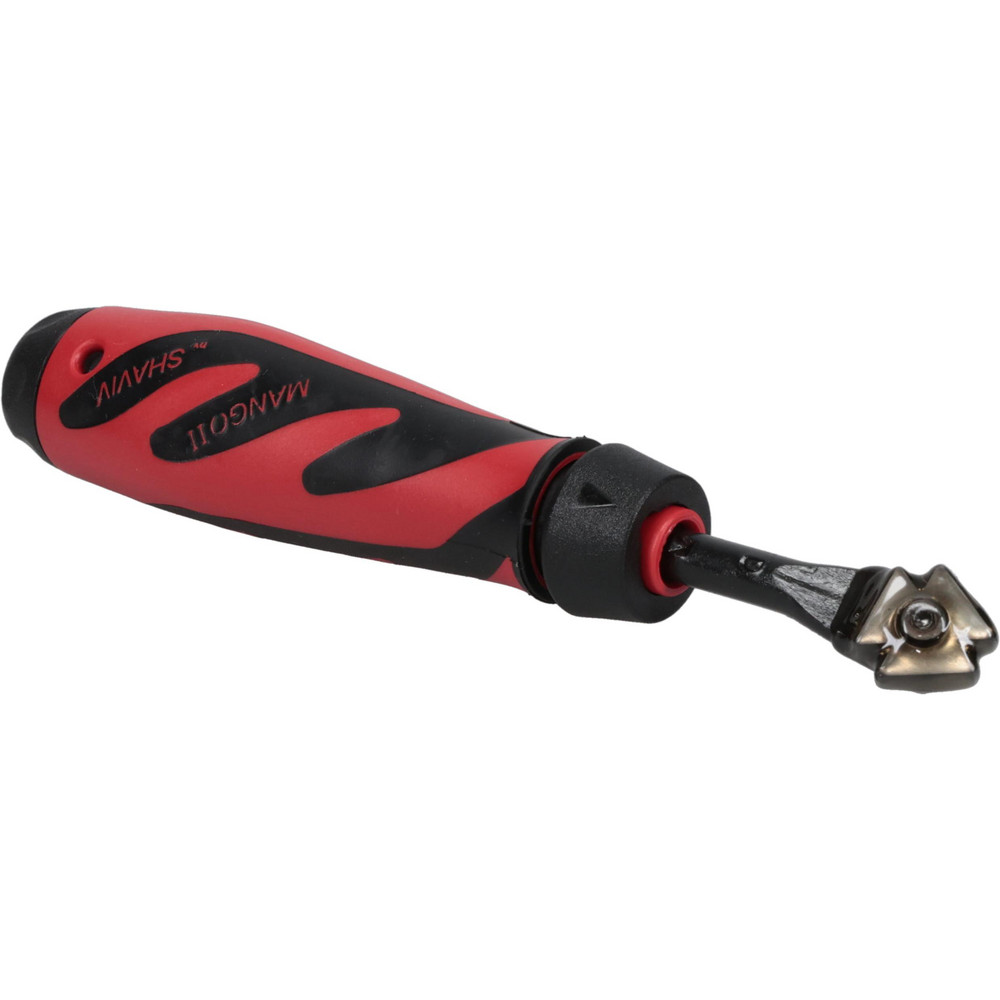
Cutting hand tools remove, shape, trim, or separate material. They work by using a sharp edge, toothed blade, or cutting jaw. This category includes tools used on wood, metal, plastic, wire, drywall, and other materials.
Common cutting hand tools include:
• Utility knives for cardboard, carpet, plastic, and thin sheet material
• Hand saws for cutting wood and some plastic materials
• Hacksaws for cutting metal, plastic pipe, and threaded rod
• Bolt cutters for cutting chains, bolts, and heavy wire
• Wire cutters for electrical wire and small metal cable
• Tin snips for cutting thin sheet metal
• Chisels for removing wood or masonry material
Each cutting tool has a specific design. A wood saw has larger teeth for fast cuts. A hacksaw has a fine blade that supports controlled cuts in metal. Wire cutters use strong jaws that concentrate force at one small point.
A sharp blade is usually safer than a dull one. Dull tools require more force and can slip without warning. They also create rough cuts and place extra stress on your hands and wrists.
How to use cutting tools safely
Always keep the cutting path pointed away from your body. Secure the workpiece before cutting, and use the correct blade for the material. Wear safety glasses when cutting metal, wire, or any material that may create chips.
Do not use a screwdriver as a chisel or a pocketknife as a pry tool. The wrong tool can break, slip, or send sharp fragments toward your face. Replace damaged blades and store sharp tools with a cover when possible.
A common mistake is using a hacksaw blade with too few teeth for thin metal. The blade may catch and bend the material. Choose a blade with enough teeth engaged in the workpiece for a smooth, stable cut.
2. Gripping and Holding Hand Tools
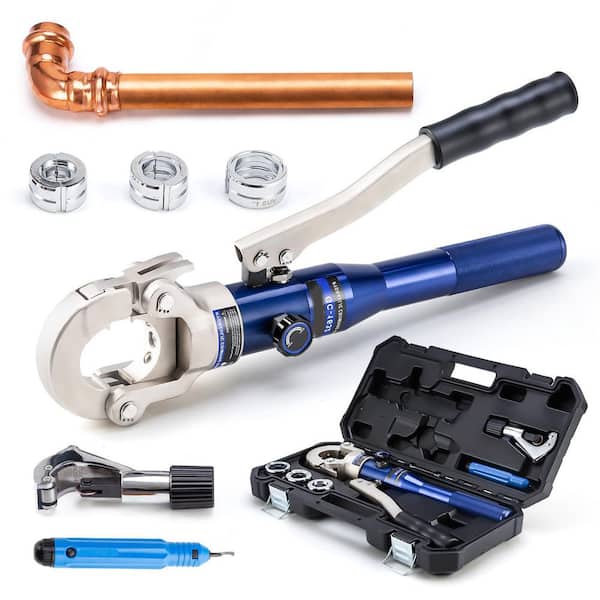
Gripping and holding tools help you hold, turn, bend, or position an object. They give your hand more strength and reach. They also help you work with small parts or materials that are too hot, tight, or awkward to hold by hand.
Examples include:
• Slip joint pliers for general gripping work
• Long nose pliers for reaching into narrow spaces
• Locking pliers for holding an object firmly
• Tongue and groove pliers for pipes and large fittings
• Adjustable wrenches for turning different sizes of nuts
• Pipe wrenches for gripping threaded pipe
• Clamps for holding materials in place during cutting or assembly
Pliers are useful for many jobs, but they are not a replacement for every wrench. Pliers can damage the corners of a nut because their jaws do not spread force as evenly as a properly sized wrench.
Locking pliers are helpful when you need a temporary third hand. They can hold sheet metal, clamp broken parts, or keep a bolt from turning. However, excessive force can crush soft material or damage threads.
Choosing the right gripping tool
Match the tool to the shape and material of the workpiece. Use smooth jaw pliers on finished surfaces when possible. Use padded jaws or a cloth barrier when working with polished metal, painted parts, or plastic.
For plumbing work, use a pipe wrench only on surfaces designed to accept its teeth. For electrical work, use insulated tools rated for the task, but never assume insulation makes a tool safe for live work. Electrical systems should be de-energized and tested before repair.
One practical lesson is to avoid using pliers to loosen every stuck nut. It may seem fast, but it often rounds the nut and makes the repair harder. A six point socket or correctly sized wrench usually gives better contact and control.
3. Driving and Fastening Hand Tools
Driving and fastening tools install, remove, tighten, or loosen hardware. They transfer force from your hand to a screw, bolt, nut, or fastener.
Common examples include:
• Flat head screwdrivers
• Phillips screwdrivers
• Torx screwdrivers
• Hex keys
• Nut drivers
• Combination wrenches
• Socket wrenches
• Ratchets
• Torque wrenches
Screwdrivers are designed to turn screws. Wrenches and sockets turn nuts and bolts. A torque wrench applies a measured amount of force, which is important when a manufacturer specifies a tightening level.
Using the correct size matters. A screwdriver tip that is too small can damage the screw head. A wrench that is too large can round the corners of a nut. Once the fastener is damaged, removal may require cutting, drilling, or specialized extraction tools.
Best practices for fastening tools
Keep the tool aligned with the fastener. Press down firmly while turning a screwdriver to reduce slipping. For bolts, place the wrench fully on the fastener before applying force.
Avoid adding a pipe or another tool to a wrench handle unless the tool is designed for that use. Extra leverage can bend the wrench, break the fastener, or cause a sudden loss of balance. It can also exceed the safe load of the tool.
A torque wrench is especially useful for vehicle repairs, bicycle work, engine parts, and structural connections. Too little torque may allow parts to loosen. Too much torque can stretch bolts, crack parts, or damage threads.
What are the 4 types of hand tools becomes easier to remember when you think of the work sequence: cut the material, hold it, drive the fastener, and strike or shape the part. Driving tools complete many repair and assembly tasks.
4. Striking and Pounding Hand Tools
Striking tools deliver impact force. They drive nails, shape metal, break material, seat parts, or help another tool cut and move through a surface.
Examples include:
• Claw hammers for driving and removing nails
• Ball peen hammers for metalwork
• Sledgehammers for heavy demolition
• Rubber mallets for assembling parts without damaging surfaces
• Dead blow hammers for controlled impact with less rebound
• Wooden and plastic mallets for woodworking
• Hand mauls for heavy wood splitting
A hammer’s weight and face shape affect how it performs. A small hammer offers control for light work. A heavy hammer delivers more force but can tire your arm and damage the workpiece if used carelessly.
Never strike a hardened steel surface with another hardened steel tool unless the tools are designed for that purpose. Small metal chips can break away at high speed. Use eye protection and select a hammer with a secure handle and sound striking face.
Using striking tools correctly
Hold the handle near the end for maximum swing and force. For controlled taps, hold it closer to the head. Keep your free hand away from the impact zone, and make sure no one is standing nearby.
Use a rubber or plastic mallet on finished surfaces. A steel hammer can leave dents, marks, and sharp edges. When driving a punch, choose a punch made for striking and keep it straight against the workpiece.
A common mistake is using a hammer to force a tool that is not designed to be struck. Some screwdrivers, wrenches, and pliers can crack or deform under impact. Check the tool design before striking it.

Why These Four Hand Tool Types Matter
Understanding what are the 4 types of hand tools is useful for more than memorizing names. It helps you select a tool based on the action required.
For example:
• Cutting tools remove or shape material.
• Gripping tools hold, bend, or turn material.
• Driving tools tighten or remove fasteners.
• Striking tools deliver impact force.
This simple system can save time and reduce mistakes. Instead of opening a toolbox and trying random tools, identify the job first. Then choose the tool that performs that action directly.
The right tool also protects the workpiece. A saw is better than a knife for thick wood. A socket is better than pliers for a hex bolt. A mallet is better than a steel hammer when a surface must remain clean.
Good tool selection also reduces physical strain. A tool that fits the fastener or material transfers force more efficiently. That means less effort for your hands, shoulders, and back.

How to Choose the Right Hand Tool
Start by identifying the material, fastener, space, and force needed. These four questions usually point you toward the correct tool.
- What material are you working with?
Wood, metal, plastic, and masonry need different cutting and striking tools.
- What shape is the part?
A hex bolt needs a wrench or socket. A slotted screw needs a flat head screwdriver. A narrow space may require long nose pliers.
- How much force is required?
Use a small tool for light work and a stronger tool for heavy work. Do not use a small tool as a substitute for a tool made for high loads.
- How much control do you need?
Choose a short handle for close control and a longer handle for added reach. Remember that longer handles also increase torque and the risk of overloading a fastener.
- Does the tool fit safely?
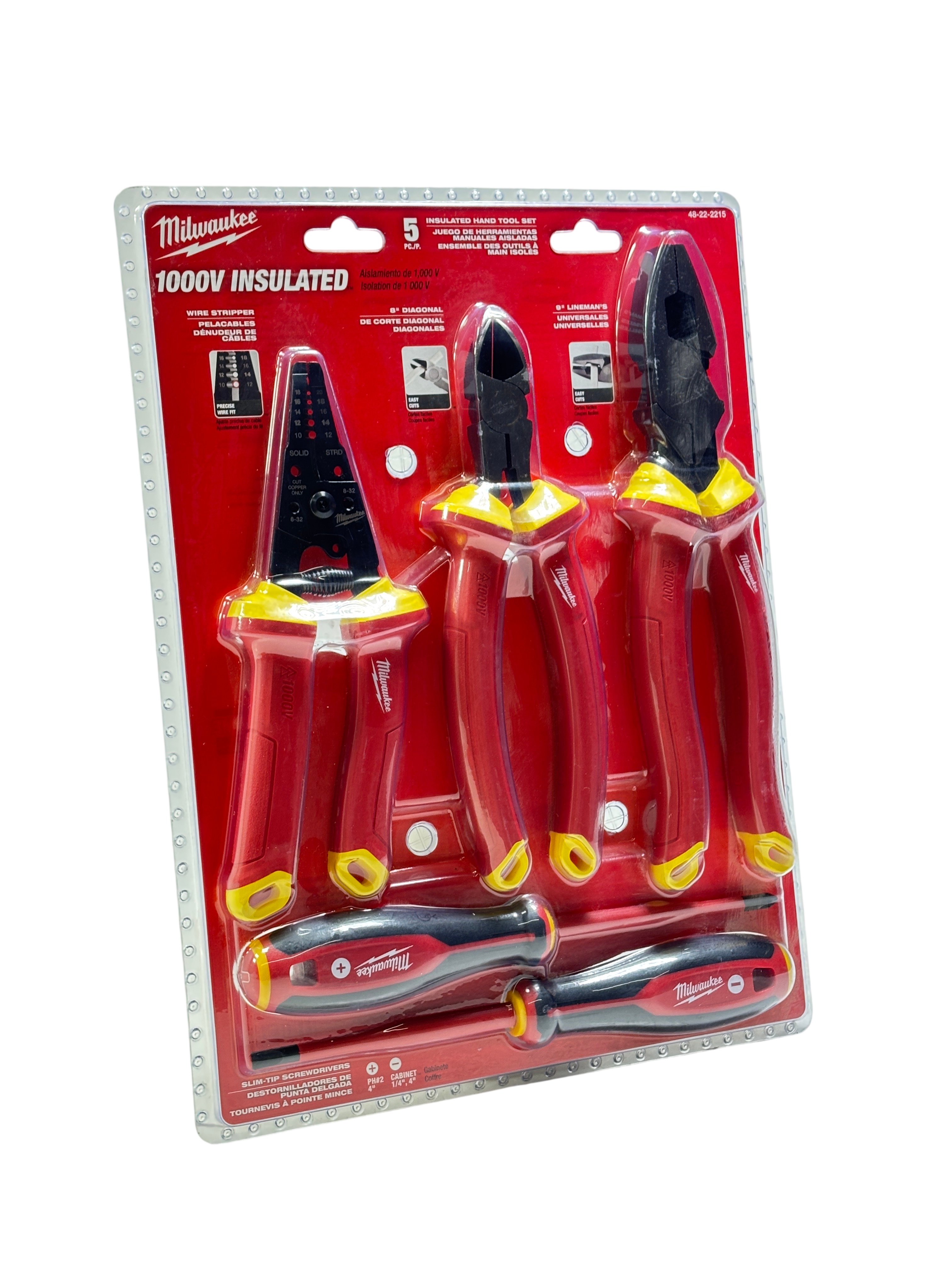
Inspect the handle, jaws, blade, head, and shaft. Do not use tools with loose handles, mushroomed striking ends, cracked insulation, or badly worn teeth.
Tool quality matters, but correct use matters just as much. Even a high quality wrench can cause injury if it slips because it does not fit the fastener.
Hand Tool Safety and Maintenance
Basic maintenance keeps hand tools accurate and safe. Clean dirt and oil from tools after use. Dry them before storage, especially after working outdoors or with water.
Follow these simple habits:
• Keep cutting edges sharp and protected.
• Replace cracked or loose handles.
• Store tools where they will not fall or create a trip hazard.
• Keep pliers and hinges lightly lubricated when needed.
• Remove rust before it affects the tool’s strength.
• Use eye protection during cutting, striking, and grinding work.
• Wear gloves when they improve grip, but keep them away from rotating machinery.
• Use tools in a well-lit area with stable footing.
Safety guidance from workplace regulators consistently emphasizes tool inspection, proper selection, and training. Hand tools do not use motors, but they can still cause cuts, crush injuries, eye damage, strains, and puncture wounds.
Do not carry sharp tools loose in a pocket. Use a tool pouch, case, or sheath. When passing a tool to someone, offer the handle first and keep the sharp end pointed down.
The biggest safety lesson is simple: do not force a tool beyond its design. If the tool will not complete the job, stop and find a better match.
Hand Tools Compared With Power Tools
Hand tools depend mainly on human force. Power tools use electricity, batteries, air, or fuel to increase speed and force.
Hand tools are often better when you need:
• Precise control
• Quiet operation
• Easy transport
• Work in a small space
• A low-cost solution
Power tools may be better for repeated cuts, large projects, thick materials, or high production work. However, they can create more noise, dust, vibration, and injury risk.
Many skilled workers use both. A hand tool may start a task with careful control, while a power tool may complete repetitive work faster. The best choice depends on the material, the job size, the required accuracy, and your experience.
Common Mistakes to Avoid
People often damage tools or materials by using a familiar tool for the wrong purpose. A screwdriver may seem convenient for prying, but its tip can snap. Pliers may seem convenient for every bolt, but they can ruin the fastener.
Avoid these common errors:
• Using a dull blade and applying too much force
• Striking a tool that is not rated for impact
• Choosing the wrong screwdriver size
• Using a wrench that does not fully fit the fastener
• Holding material by hand while cutting
• Ignoring a loose hammer handle
• Using damaged tools because the job seems quick
• Failing to wear eye protection during impact work
One mistake I often see in basic repairs is rushing the setup. People begin cutting or tightening before securing the workpiece. Taking a minute to clamp the material often improves both safety and accuracy.
Another mistake is buying a large mixed tool set without learning what each tool does. A smaller set of well-made, correctly chosen tools is usually more useful than a crowded box full of tools you cannot identify.
Frequently Asked Questions About What Are the 4 Types of Hand Tools
What are the 4 types of hand tools?
The four main types are cutting tools, gripping and holding tools, driving and fastening tools, and striking tools. These categories are based on the main action each tool performs.
Is a wrench a hand tool?
Yes, a wrench is a hand tool. It belongs to the driving and fastening group because it tightens or loosens nuts and bolts.
What type of hand tool is a screwdriver?
A screwdriver is a driving and fastening tool. It transfers turning force to a screw so you can install or remove it.
Are pliers cutting or gripping tools?
Most pliers are gripping tools, but some models include cutting edges. Combination pliers can grip, bend, and cut wire, so they may fit into both categories.
What type of hand tool is a hammer?
A hammer is a striking tool. It delivers impact force to drive nails, shape materials, break objects, or help another tool cut through a surface.
Why is choosing the correct hand tool important?
The correct tool improves control, protects the material, and reduces the chance of injury. It also helps prevent damage to the tool and fastener.
How should hand tools be stored?
Store hand tools in a dry, organized place where sharp edges are covered and heavy tools cannot fall. Clean and inspect each tool before putting it away.
Conclusion
The four main types of hand tools are cutting, gripping, driving, and striking tools. Each category has a clear purpose, from removing material and holding parts to tightening fasteners and delivering impact.
Understanding what are the 4 types of hand tools makes repairs easier and safer. Start by identifying the task, choose a tool designed for that job, inspect it before use, and avoid forcing it beyond its limits. Build your toolbox with a few dependable tools, practice using them correctly, and explore trusted repair resources to keep improving your skills.
