

Push the weed puller into moist soil, grip the weed low, twist gently, and lift the full root.
Learning how to use weed puller hand tool correctly can make garden work faster, cleaner, and easier on your back. The right technique depends on the tool design, weed type, soil moisture, and root depth. This guide explains each step, common mistakes, safety tips, and ways to keep pulled weeds from returning.

What Is a Weed Puller Hand Tool?
A weed puller hand tool is a small garden device made to remove weeds by the root. Most models have a handle, a shaft, and either claws, prongs, a fork, or a narrow blade that enters the soil.
Unlike a hoe, a weed puller targets one plant at a time. This makes it useful near flowers, vegetables, shrubs, and young plants where broad tools may cause damage.
Common designs include:
• Three or four-prong weeders for dandelions and taproot weeds
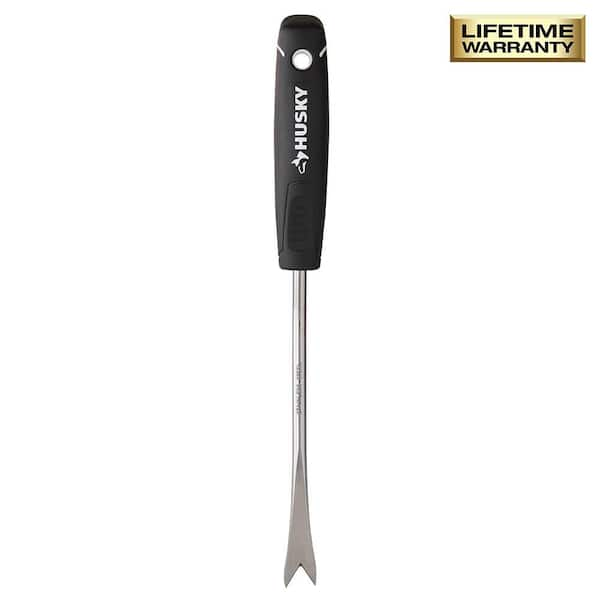
• V-shaped weeders for lifting weeds from cracks and beds
• Claw-style pullers that grip roots below the soil
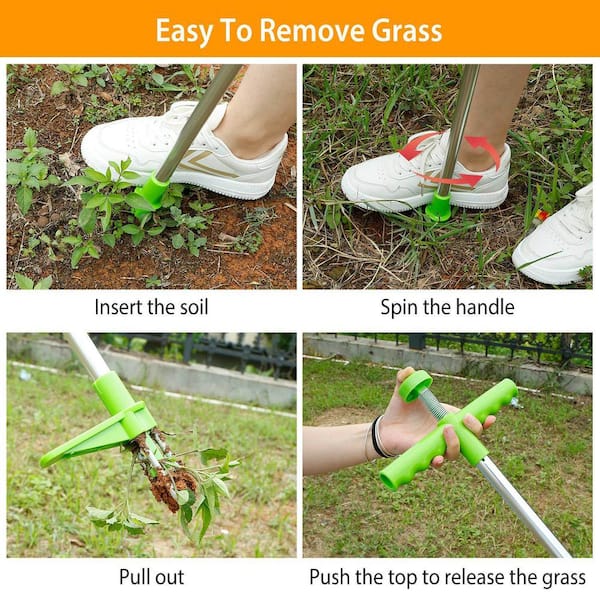
• Stand-up weed pullers with long handles for less bending
• Narrow fishtail weeders for tight spaces and small roots
The main goal is simple: loosen the soil, grip the weed below its crown, and remove as much of the root as possible. Learning how to use weed puller hand tool properly helps reduce broken stems and repeat growth.

Choose the Right Weed Puller
The best technique begins with the right tool. A narrow fork works well for deep roots, while a claw tool may be better for weeds growing in loose soil.
Match the tool to the weed
Use a pronged or fishtail tool for weeds with long roots. Dandelion, plantain, dock, and thistle often need deeper access.
Use a claw-style puller for weeds with fibrous roots. It can grip the root mass and lift several small weeds at once.
Use a narrow blade for weeds growing between paving stones. Keep the blade shallow so you do not disturb nearby plants.
A long-handled tool can help if you have back, knee, or balance concerns. It may not offer the same control as a short hand tool, but it reduces repeated bending.
Check the tool before use
Look for a firm handle and a shaft that does not wobble. Sharp metal edges should be free from large chips or cracks.
Avoid tools with loose parts. A handle that shifts under pressure can cause hand strain or make the tool slip. Clean soil from the tool after each use, then dry the metal to limit rust.
Prepare the Soil Before Pulling
Moist soil is usually easier to work than hard, dry soil. Water the area several hours before weeding, or pull weeds after light rain.
Do not work in soil that is muddy. Wet soil can compact under your feet and may cling to the roots. Slightly damp soil gives the best balance between easy digging and good root control.
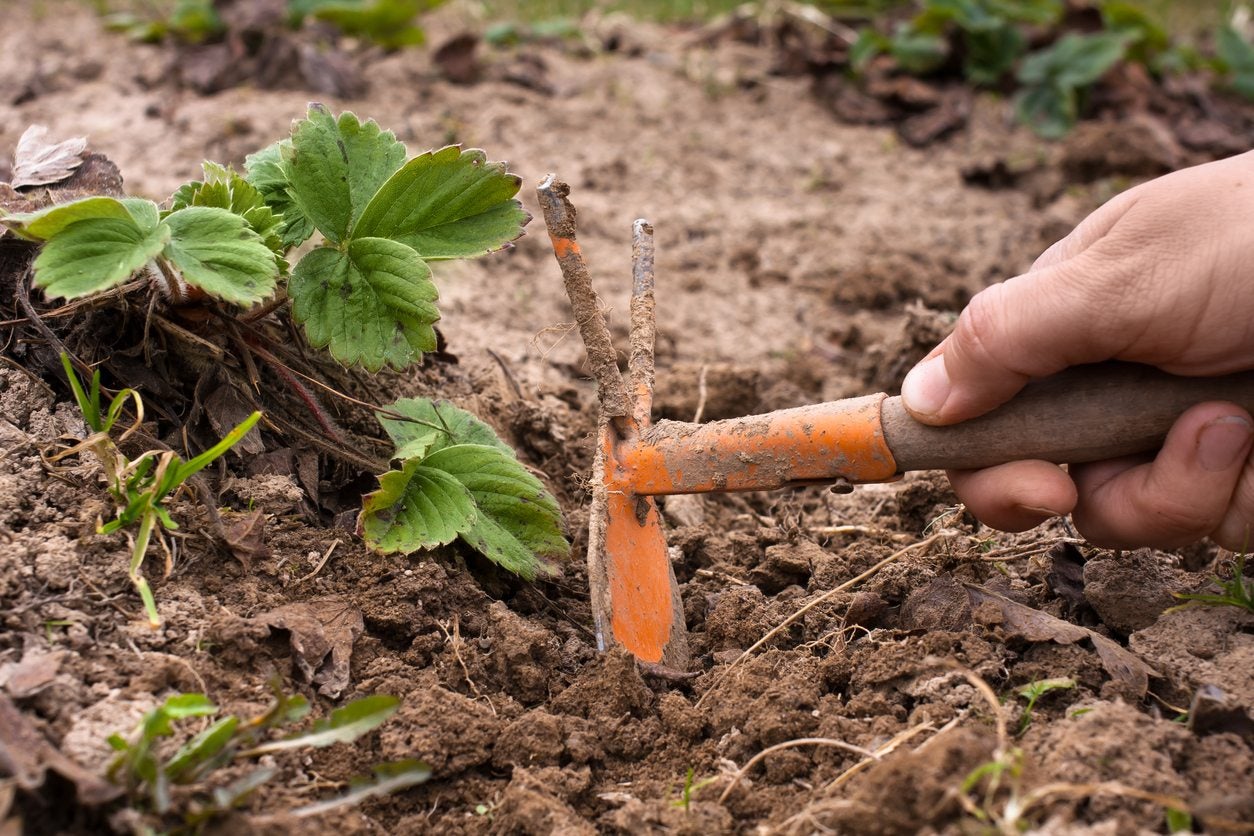
Before using a weed puller hand tool, clear away mulch, leaves, and plant debris around the weed. This lets you see where the stem enters the soil.
Also check the area for:
• Irrigation lines
• Shallow plant roots
• Landscape fabric
• Buried cables
• Small stones that may block the tool
Take a moment to identify the weed. Some plants spread through runners, bulbs, or underground stems. Pulling the visible part may not remove the whole plant.

How to Use Weed Puller Hand Tool Step by Step
The following method works for most small hand weeders and root pullers.
1. Find the weed crown
The crown is the point where the stem meets the soil. Place your eyes on this area rather than on the leaves.
Pulling from the leaves often breaks the stem. The crown gives you a better target and helps you reach the root.
2. Place the tool beside the root
Push the prongs or blade into the soil about 1 to 2 inches from the crown. For a deep taproot, angle the tool slightly toward the center of the plant.
Do not push directly through the stem. The tool should pass beside the root so it can loosen or grip it.
3. Push down to the needed depth
Press the tool into the soil with steady force. For shallow weeds, a small movement may be enough. For dandelions and similar weeds, push deeper than the visible root width.
A common mistake is using force too early. If the soil resists, remove the tool, move it slightly, and loosen the soil from another angle.
4. Use leverage carefully
Tilt the handle toward the soil surface. Let the tool lift the root instead of pulling hard with your arm.
Think of the tool as a small lever. Keep the fulcrum point close to the weed, but avoid pressing hard against the stem of a nearby plant.
5. Lift slowly
Raise the tool with a smooth motion. Pause if the root catches.
If you feel strong resistance, push the tool deeper or loosen the soil around the root. A slow lift is more effective than a sudden yank.
6. Inspect the root
Check the pulled weed before discarding it. If the root is broken, use the tool to search for the remaining section.
This step matters with taproot weeds. A small root fragment may sometimes regrow, depending on the species and conditions.
7. Fill the hole
Press loose soil back into the hole. This protects nearby roots and gives the bed a neat finish.
Add a small amount of mulch if needed, but keep mulch away from the base of desirable plants. Thick or poorly placed mulch can hold moisture against stems.
Learning how to use weed puller hand tool this way reduces stem breakage and protects the surrounding garden.

How to Remove Deep Taproot Weeds
Taproot weeds need a different approach. Their main root grows down like a carrot, so a shallow pull may remove only the leaves.
Dandelions are a common example. Place the tool beside the crown and push it down as far as the soil allows. Rock the handle gently to open a narrow gap around the root.
Then pull upward while keeping the tool close to the root. If the root begins to snap, stop and loosen the soil again.
For large weeds, work around the crown from two or three sides. This creates space without tearing the root.
Deep-rooted weeds are easier to remove when:
• The soil is damp but not muddy
• The plant is young
• The tool reaches below the root crown
• You pull before the weed produces seeds
Avoid twisting the stem from side to side. That motion often breaks the root and leaves the lower section in the ground.

How to Remove Weeds From Lawns
Hand weed pullers can work well in lawns, especially for isolated broadleaf weeds. They are less useful for large areas or weeds that spread through runners.
For lawn use, place the tool close to the weed crown. Try to remove the root while disturbing as little grass as possible.
After removal, brush soil back into the hole and press the grass upright. A small hole usually closes as the grass grows.
Do not use a hand root puller on every grass-like weed without identifying it first. Some unwanted grasses look similar to desirable lawn grass and may spread through underground stems.
If weeds cover a large section of lawn, hand pulling may take too long. Mowing, cultural care, overseeding, or a properly selected weed control product may be more practical. Always follow the product label and local guidance when using herbicides.
Common Mistakes to Avoid
Even a simple garden tool can cause problems when used with the wrong method. These mistakes are common among new gardeners.
Pulling only the leaves
Leaves are weak compared with roots. They often tear away while the root stays underground.
Grip near the crown or use the tool to lift from below the root.
Working in dry, hard soil
Dry soil increases the chance of a broken stem and bent tool. It also makes you use more force.
Water the bed first when possible. In very dry soil, wait a few hours after watering before you start.
Using too much force
A hard yank can damage the tool, your wrist, or nearby plants. Use leverage and small movements instead.
If the tool bends, stop using it. A damaged tool can fail without warning.
Ignoring the weed type
Some weeds regrow from small root pieces. Others spread through seeds or runners.
Identify troublesome weeds before pulling. The correct method may involve repeated removal, digging deeper, or improving soil cover.
Leaving pulled weeds on wet soil
Some flowering weeds can continue to mature seeds after removal. Place pulled weeds in a yard waste container or hot compost system when appropriate.
Do not add seedy or invasive weeds to a cool home compost pile unless you know the process will destroy the seeds.

Safety and Ergonomic Tips
Using a weed puller hand tool is low risk, but repeated work can still strain your hands, wrists, knees, and back.
Wear gardening gloves to protect against sharp stems, thorns, insects, and rough tool handles. Closed-toe shoes help protect your feet if the tool slips.
Use these habits:
• Keep your wrist straight while pressing the tool
• Change hands during long sessions
• Bend at the knees instead of rounding your back
• Work for 15 to 30 minutes, then take a short break
• Keep your free hand away from the tool tip
• Wear eye protection when pulling brittle weeds or working in dry soil
People with joint pain may prefer a long-handled weed puller. However, long tools can be harder to control in crowded beds. Test the tool in an open area before using it near valuable plants.
When Is the Best Time to Pull Weeds?
The best time to pull most weeds is after light rain or watering. Moist soil releases roots more easily.
Early removal is also important. Young weeds have smaller root systems and have not yet produced seeds.
Good times include:
• After a light rain
• In the morning, when plants and soil are cooler
• Before weeds flower
• During the early growing season
Avoid pulling during extreme heat if you can. Hot weather increases fatigue and may leave soil exposed during stressful conditions.
Repeated checks are more effective than one large weeding session. Walk through the garden once or twice a week and remove new weeds while they are small.
How to Care for a Weed Puller
Clean the tool after each use. Rinse off soil, then dry the metal surface with a cloth.
If the tool has moving parts, apply a small amount of suitable lubricant according to the manufacturer’s instructions. Do not use oil where it may contact edible plant parts or soil unless the product is intended for that purpose.
Store the tool in a dry place. Hang it by the handle or keep it in a tool rack so the prongs do not become bent.
Inspect the tool at the start of each season. Replace cracked handles, loose heads, or badly rusted parts. A well-maintained tool gives better control and reduces the need for force.
How to Prevent Weeds From Coming Back
Removing a weed is only one part of garden care. Prevention helps reduce future work.
Apply organic mulch around established plants. A layer of about 2 to 3 inches can block light and slow many annual weeds. Keep mulch a few inches away from plant stems and tree trunks.
Other useful steps include:
• Planting ground cover in open spaces
• Keeping garden beds densely planted
• Pulling weeds before they produce seeds
• Repairing bare areas in lawns
• Improving soil drainage when needed
• Avoiding unnecessary soil disturbance
Weed seeds can remain in soil for years, and the exact life span varies by species. This is why turning deep soil can sometimes bring new weeds to the surface.
Using a weed puller hand tool regularly, along with mulch and healthy plant growth, creates a long-term weed management plan.
Limitations of a Weed Puller Hand Tool
A hand weed puller is useful, but it is not the right answer for every situation.
It may be inefficient when weeds cover a large area. It can also struggle with dense mats, woody stems, thick runners, or roots beneath paving and compacted clay.
A hand tool may disturb nearby plants if their roots are tightly mixed with the weed. In that case, careful digging or repeated cutting may be safer than one deep pull.
The best method depends on the weed species, soil, garden size, and your physical comfort. No single tool removes every weed perfectly.
Frequently Asked Questions About How to Use Weed Puller Hand Tool
How deep should I push a weed puller?
Push the tool deep enough to reach below the weed crown and most of the main root. Shallow weeds may need only 1 to 2 inches, while taproot weeds often need more.
Should the soil be wet before using a weed puller?
Slightly moist soil is usually best because it loosens around the root. Avoid very muddy soil, which can compact and stick to the tool.
Why does the weed keep breaking when I pull it?
The soil may be too dry, or you may be pulling from the leaves instead of the crown. Loosen the soil around the root and lift slowly with the tool.
Can I use a weed puller in a lawn?
Yes, a weed puller works well for isolated broadleaf weeds in lawns. Use care around grass roots, and fill the hole after removing the weed.
What should I do with pulled weeds?
Place pulled weeds in yard waste or a suitable compost system. Do not leave flowering or seeding weeds on damp soil because they may continue to spread seeds.
Is a long-handled weed puller better?
A long-handled model reduces bending and can help people with back or knee discomfort. A short hand tool usually offers better control in crowded flower beds.
Conclusion
Using a weed puller hand tool is simple when you match the tool to the weed, work in moist soil, target the crown, and lift the root with steady leverage. Avoid hard yanking, inspect deep roots, and fill each hole after removal.
Start with a small section of your garden today. With regular checks and good mulch, you can control weeds before they become a larger problem. Share your favorite weed-pulling tip or explore more practical garden care guides for your next outdoor project.
