How To Remove Stuck Lug Nuts Without Impact Wrench: Easy Fix
Introduction
A stuck lug nut usually comes off without an impact wrench when you use the right socket, add controlled leverage, and keep the vehicle stable. Start with a six-point socket, penetrating oil, a breaker bar, and a safe lifting setup. Then loosen the nut with steady pressure instead of sudden force.
This guide applies to cars, SUVs, and light trucks in the United States. Always follow your vehicle owner’s manual for the correct jack points, lug nut torque, wheel-lock procedure, and tire-changing steps. Never work under a vehicle supported only by a jack.
What You Need Before You Start
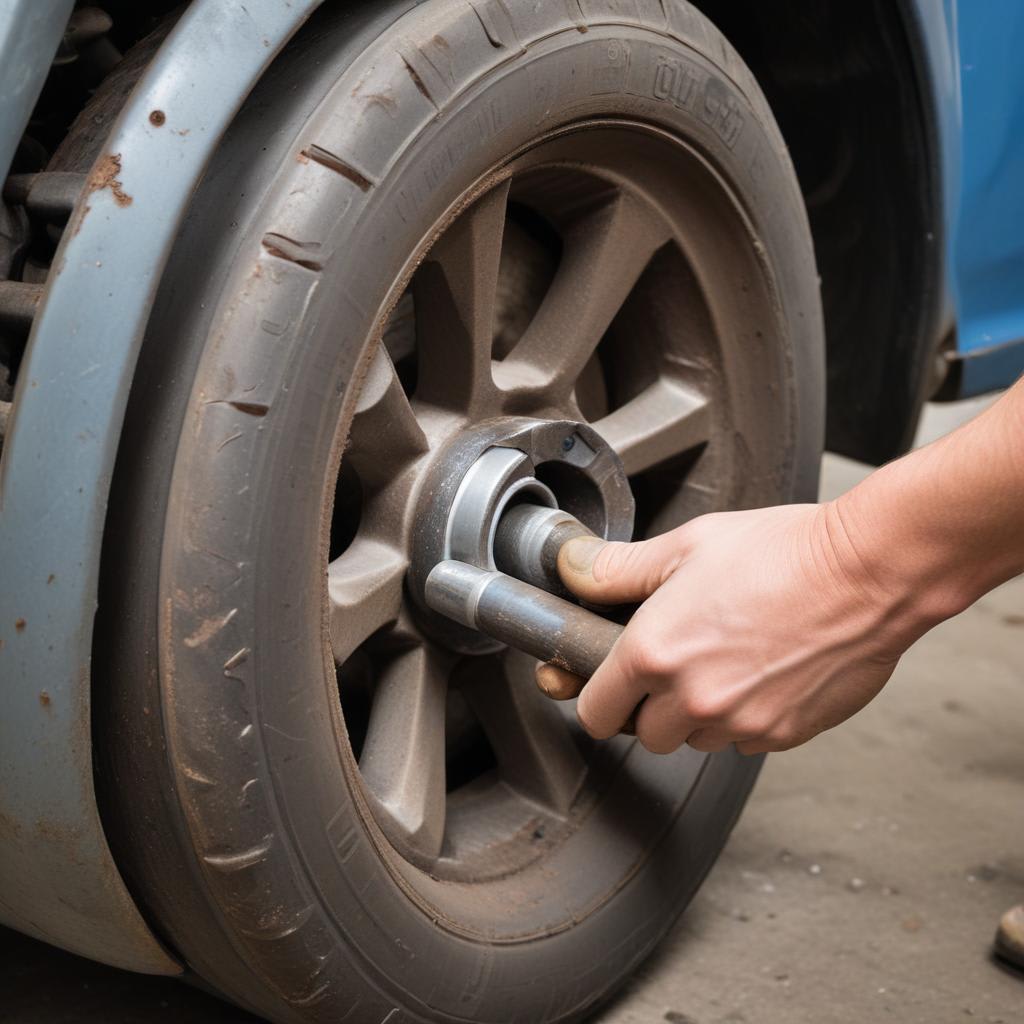
Gather the tools before you lift the vehicle. The correct tool often matters more than raw strength.
- Six-point impact-rated socket in the correct lug nut size
- Breaker bar, preferably 18 to 24 inches long
- Penetrating oil
- Wire brush
- Torque wrench for installation
- Wheel chocks
- Floor jack and jack stands
- Work gloves and eye protection
- Small hammer or dead-blow hammer
- Correct spare tire or replacement wheel
- Locking lug nut key, if your vehicle uses wheel locks
A six-point socket grips all six sides of the lug nut. It is less likely to slip than a 12-point socket, especially when the nut is rusty or partly rounded.
Use an impact-rated socket if you plan to strike it with a hammer or use it with any powered tool. Chrome sockets can crack under impact.
Check the lug nut before applying force
Look closely at the nut and socket. Confirm that:
- The socket fits fully over the nut.
- The socket is the correct size.
- The nut is not a locking lug nut.
- The wheel is not using a thin decorative cap that has swollen or split.
- The stud does not appear bent or damaged.
Some factory lug nuts have a thin chrome cover. Water can enter between the cover and the nut body. The cover may swell and make a normal socket feel too small. Forcing the wrong socket can round the outside of the nut.
If the nut is a wheel lock, use the matching key. If the key is missing or damaged, a tire shop or automotive locksmith may be safer than trying to remove the lock with improvised tools.

Step 1: Keep the Vehicle on the Ground
Loosen stuck lug nuts before raising the wheel. The tire’s contact with the ground keeps the wheel from turning.
Park on a hard, level surface. Put the transmission in Park for an automatic vehicle or in first gear or reverse for a manual vehicle. Set the parking brake. Place wheel chocks on the opposite side of the vehicle from the wheel you will service.
Do not rely on the parking brake alone. On some vehicles, the parking brake acts on only the rear wheels. Chocks add another layer of protection.
Fit the socket onto the lug nut. Push it straight on until it seats completely. Turn the breaker bar counterclockwise when facing the outside of the wheel. This is the normal direction for loosening a standard lug nut.
Apply slow, firm pressure to the breaker bar. Keep your body balanced. Do not jump on the bar, kick it, or pull in a way that could make you fall if the nut suddenly breaks free.
If the bar starts to bend or the socket begins to slip, stop. Recheck the socket size and seating. A slipping socket can damage the nut and injure your hand.

Step 2: Use Penetrating Oil and Let It Work
Penetrating oil may help when rust or corrosion binds the threads. Spray a small amount where the lug nut meets the wheel and stud. Let it soak for 10 to 15 minutes, then try again.
Severe corrosion may need more than one application. You can apply the oil, tap the socket lightly with a hammer, wait, and try again. The tapping can help the oil move into small gaps, but use controlled blows.
Do not spray oil on the brake rotor, brake pads, tire tread, or wheel’s friction surfaces. Oil on brake parts can reduce braking performance. If overspray reaches the rotor, clean it with a brake cleaner made for that purpose and allow it to dry.
Avoid lubricating the lug nut threads before installation unless the vehicle maker specifically allows it. Lubricant changes the friction between the threads and can cause a torque wrench reading to produce more clamping force than intended.
When penetrating oil will not solve the problem
Penetrating oil cannot repair a rounded nut, a stretched stud, or a nut cross-threaded by force. It also may not help much when the nut is seized because of extreme heat, damaged threads, or corrosion inside the wheel.
If the nut does not move after two or three careful attempts, move to a different method rather than applying unlimited force.

Step 3: Add Leverage With a Longer Breaker Bar
A longer breaker bar makes the job easier because it increases torque. Torque is the turning force applied to the lug nut.
The basic relationship is:
Torque = force × lever length
For example, if you apply 80 pounds of force to a 2-foot breaker bar, the applied torque is about 160 pound-feet. This is a hypothetical calculation, not a recommended force for your vehicle.
A 24-inch breaker bar gives you more leverage than a 12-inch ratchet. It also lets you use less body force, which can reduce the chance of slipping.
Use the bar in a controlled position. Pull toward your body only if you can keep your feet stable and maintain a clear escape path. Pushing down can be safer in some positions, but make sure your hand will not strike the ground or wheel when the nut breaks loose.
Should you use a pipe over the breaker bar?
A length of pipe placed over a breaker bar is often called a cheater bar. It increases leverage, but it also increases the chance of breaking the tool, damaging the stud, or losing control.
Use one only when:
- The breaker bar and socket are rated for the added load.
- The socket fits fully.
- The vehicle is secure.
- You can keep your hands and face away from the tool.
- You are not using a ratchet as a substitute for a breaker bar.
Do not extend a small ratchet with a long pipe. The ratchet’s internal parts may fail suddenly.

Step 4: Tap the Socket and Lug Nut
If the nut remains stuck, fit the socket fully and tap the socket with a small hammer or dead-blow hammer. The vibration may help break rust between the nut and stud.
Use light to moderate taps. The goal is vibration, not heavy impact. Keep the socket aligned with the stud.
After tapping, try the breaker bar again. If the nut moves even slightly, work it back and forth. Turn it a small amount loose, then tighten it slightly, and repeat. This can help clear rust from the threads.
Stop if the nut begins to round. A rounded lug nut needs a specialized extraction socket, not more force with a standard socket.

Step 5: Apply Heat Only When Appropriate
Heat can expand the lug nut and help release corrosion, but it creates serious risks around a vehicle wheel. Do not use a torch near a tire, brake fluid, grease, fuel, plastic parts, or flammable penetrating oil.
Avoid heat if:
- The tire is still mounted and close to the heat source.
- You cannot remove nearby flammable materials.
- The wheel contains plastic sensors or trim that may be damaged.
- You are working in a garage with poor ventilation.
- You do not have experience using a torch safely.
A professional tire technician may use controlled heat or specialized equipment when appropriate. For most home repairs, a larger breaker bar, better socket fit, penetrating oil, or an extractor socket is the safer next step.
Never heat a lug nut that has recently been sprayed with flammable penetrant. Allow the product to evaporate fully, and follow its label.
Step 6: Use a Lug Nut Extractor for a Rounded Nut
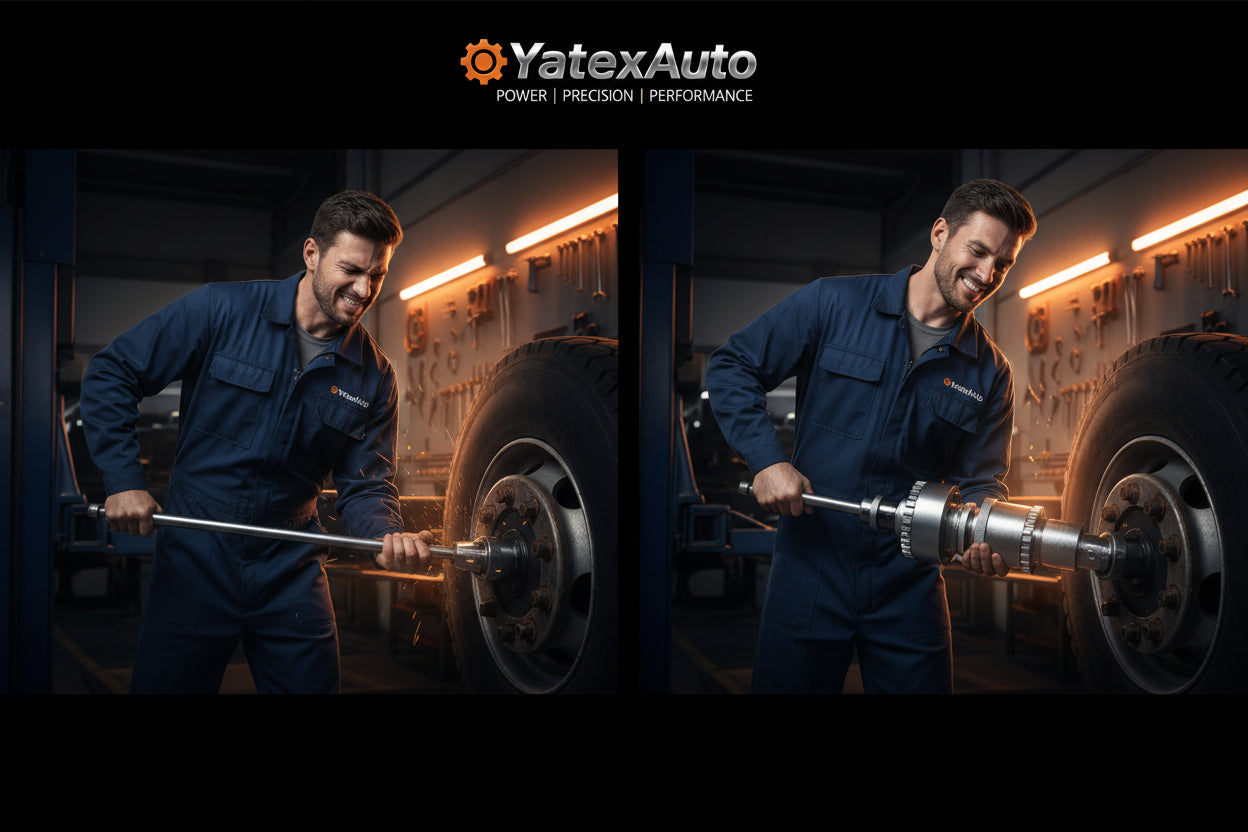
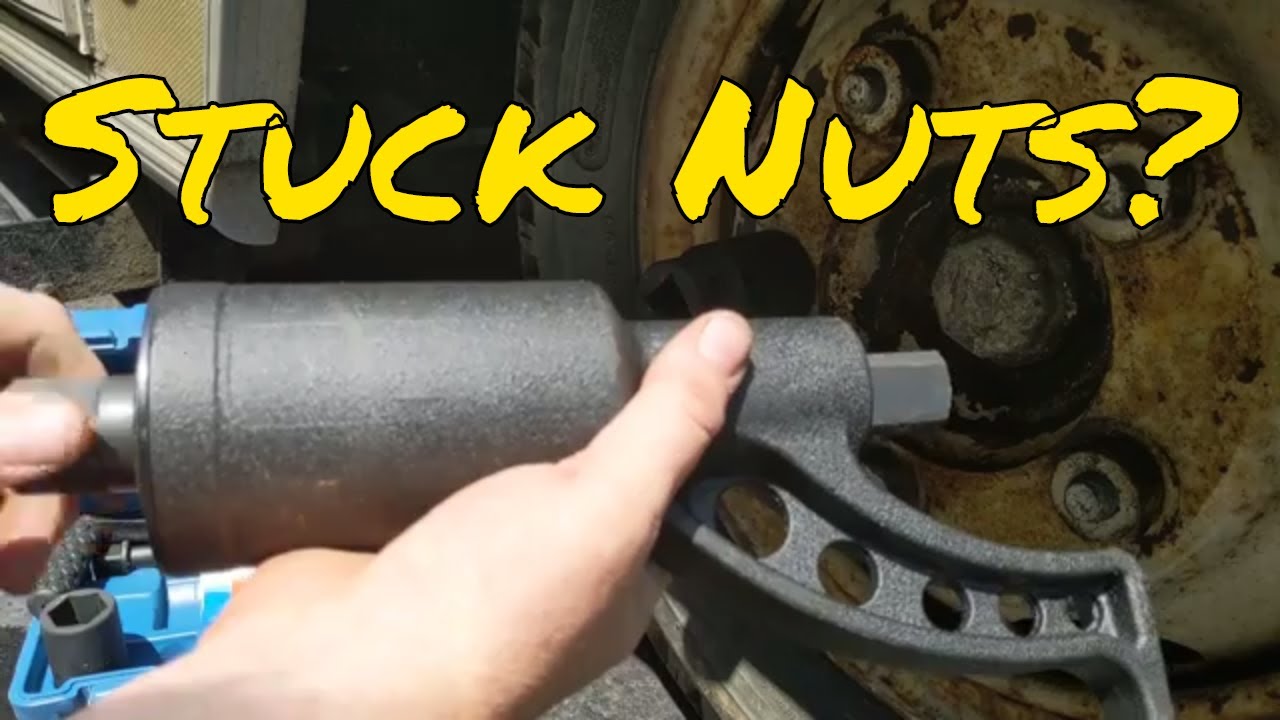
If the corners are damaged, a standard socket may no longer grip. A spiral lug nut extractor is designed to bite into the outside of the damaged nut.
The usual process is:
- Choose an extractor slightly smaller than the damaged nut.
- Tap it onto the nut with a hammer.
- Attach a breaker bar or extractor drive tool.
- Turn counterclockwise with steady pressure.
- Replace the damaged nut after removal.
Extractor sockets often destroy the lug nut. That is expected. Plan to install a matching replacement.
Do not use an extractor if the wheel or stud is badly damaged and you cannot keep the tool aligned. A shop can remove the nut with specialized equipment while reducing the risk of damage to the wheel.
If the extractor spins without gripping, stop. Repeated attempts can make the nut smaller and harder to remove.
What to Do If the Lug Stud Spins
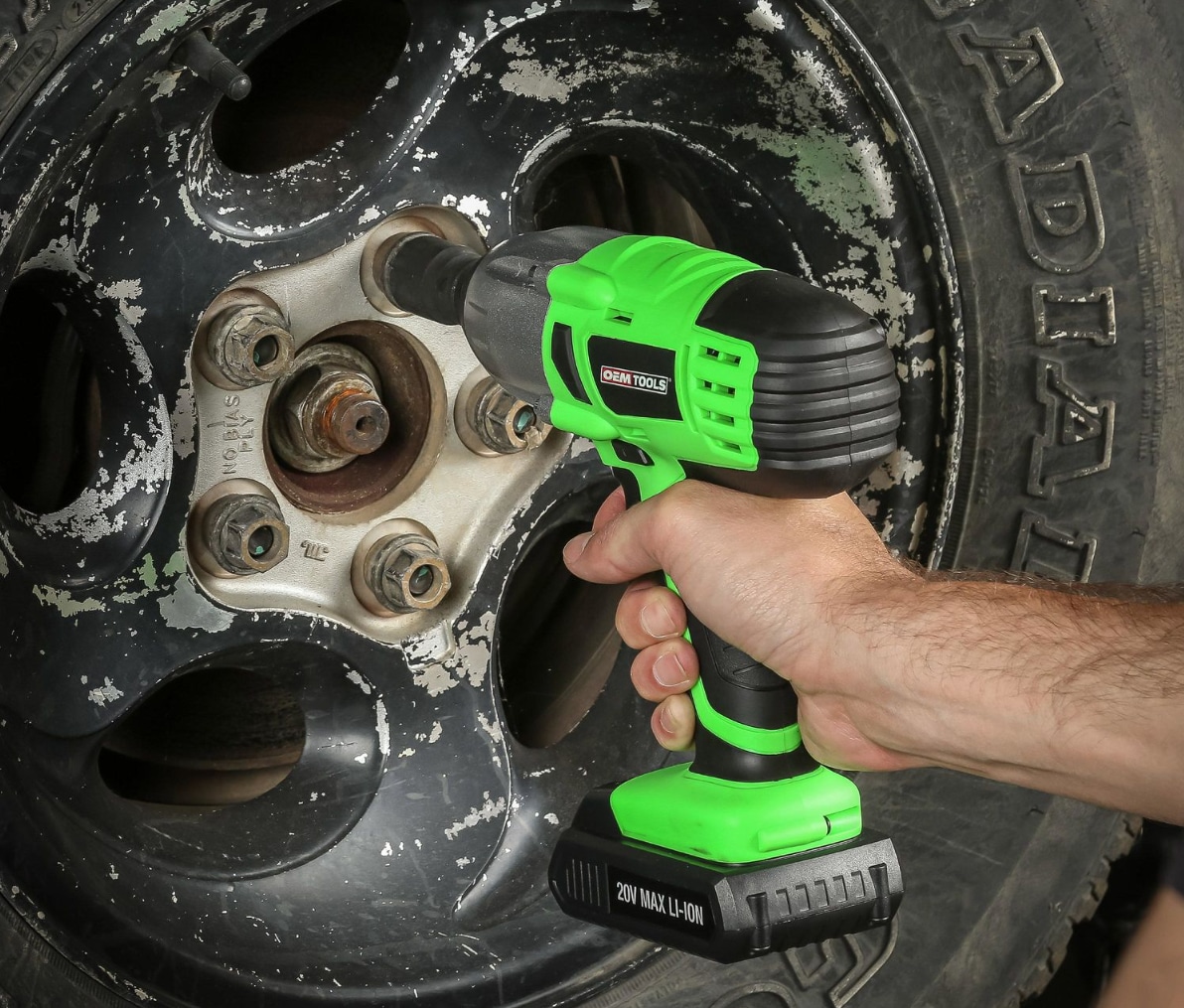
A lug stud that turns with the nut may be broken, stripped, or no longer secured correctly in the hub. Do not keep turning the nut with increasing force.
Possible signs include:
- The stud rotates while the nut stays in the same position.
- The nut never becomes tighter or looser.
- The stud moves in and out of the hub.
- You hear a clicking or grinding sound.
- The wheel has unusual movement.
A spinning stud often requires access to the back of the hub or replacement of the stud. On some vehicles, the wheel hub or bearing assembly may need to come off. This is a good point to stop and seek professional service.
Do not drive the vehicle with a missing or loose lug nut unless a qualified professional has confirmed that it is safe to move it a short distance for repair.

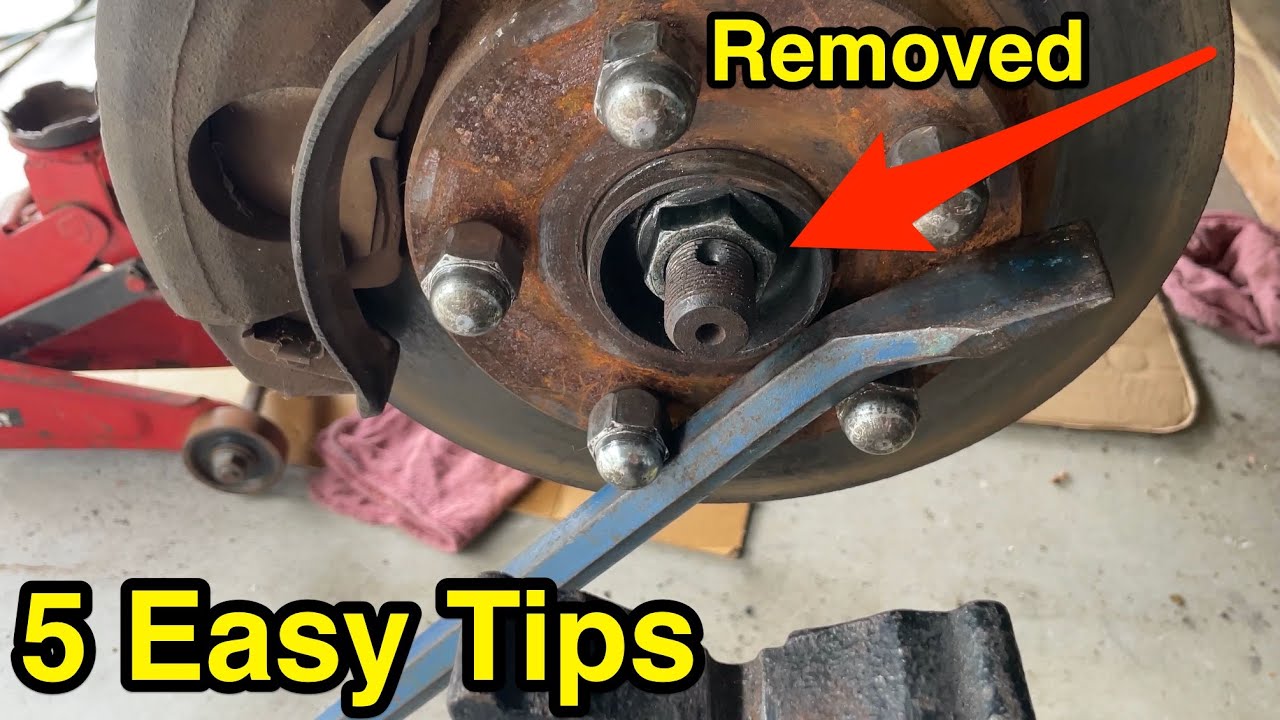
How to Remove a Lug Nut With a Broken Stud
A broken stud changes the job from simple lug nut removal to wheel hardware repair. First, make sure the vehicle is securely supported by jack stands and the wheel is not carrying the vehicle’s weight.
If the nut is still on the broken stud, an extractor may remove it. If the stud is broken flush with the nut, a technician may need to drill, press, or replace parts. The correct method depends on the hub design and access behind the wheel.
After removal, inspect:
- The wheel mounting hole
- The remaining studs
- The hub face
- The lug nut seating surface
- The wheel for cracks or elongation
Replace damaged parts before driving. Do not replace one failed stud and ignore other studs that show stretched threads, severe rust, or damaged shoulders.
Reinstall the Wheel Correctly
Removing the stuck lug nut is only half the job. Reinstall the wheel with the correct torque from the owner’s manual or service information for your exact vehicle.
Follow this sequence:
- Clean rust and dirt from the hub face and wheel mounting surface.
- Place the wheel fully against the hub.
- Thread each lug nut by hand.
- Tighten the lug nuts in a star or crisscross pattern.
- Lower the vehicle until the tire touches the ground.
- Use a calibrated torque wrench to reach the specified torque.
- Recheck the torque after driving only if the vehicle maker or wheel manufacturer requires it.
Never use an impact wrench to determine final torque. A powered tool may tighten a nut beyond the vehicle’s specification. An impact wrench can also damage studs, distort rotors, and make future removal harder.
Do not add anti-seize to the threads unless the vehicle or wheel manufacturer specifically permits it. Dry and lubricated threads do not produce the same result at the same torque setting.
Why Lug Nuts Get Stuck
Most stuck lug nuts have a clear cause. Finding it can prevent the next failure.
| Cause | What you may see | Useful response |
|---|---|---|
| Over-tightening | Nut is extremely hard to turn | Use a breaker bar and correct socket |
| Rust or corrosion | Orange scale around threads | Penetrating oil, light tapping, inspection |
| Wrong socket | Socket feels loose or will not seat | Confirm exact size and use six-point grip |
| Swollen cap | Chrome cover looks distorted | Use the correct thin-wall or replacement socket |
| Cross-threading | Nut feels tight almost at once | Stop and inspect the stud |
| Rounded corners | Socket slips off | Use a lug nut extractor |
| Bent stud | Nut wobbles or will not run straight | Replace the stud or seek repair |
| Wheel lock | Nut has a unique pattern | Use the matching key |
Over-tightening often happens when lug nuts are installed with a high-powered tool and no torque wrench. Corrosion can also increase resistance between the nut and stud.

Common Mistakes to Avoid
Avoid these shortcuts because they can turn a difficult removal into a damaged wheel or an unsafe repair.
Using the wrong socket
A socket that almost fits is not good enough. A metric and SAE size may look similar but grip differently. Confirm the size and use a six-point socket.
Using a 12-point socket on a damaged nut
A 12-point socket can work on an undamaged nut, but it has less contact with rounded corners. Choose six-point engagement when the nut is stuck.
Hitting the breaker bar with a heavy hammer
A hard strike can break the bar, damage the socket, or shock the stud. Use steady leverage and light tapping on the socket when appropriate.
Standing on the tool
Your full body weight can create sudden, uncontrolled force. You may fall when the nut releases. A longer breaker bar is usually a better choice.
Heating the wheel assembly casually
Heat near a tire or brake system can cause fire, component damage, or injury. Leave torch work to someone equipped and trained for it.
Driving with fewer lug nuts
A missing lug nut places more load on the remaining hardware. Repair the wheel hardware before normal driving.
Forgetting the final torque check
A wheel that is too loose can move on the hub. A wheel that is too tight can damage the studs and make the next removal difficult.

When to Stop and Call a Professional
Stop the home repair if the lug nut is badly rounded, the stud spins, the wheel is damaged, or the vehicle cannot be supported safely.
Professional help is also the better option when:
- The vehicle has a locking lug nut without its key.
- The nut is seized after careful use of oil and a breaker bar.
- The tire is flat and the vehicle is parked in an unsafe location.
- The wheel is near traffic.
- You do not have jack stands or a stable lifting surface.
- The lug nut extractor is not gripping.
- The stud, hub, or wheel shows damage.
A tire shop can use extraction sockets, controlled heat, welded nuts, or other equipment. Towing the vehicle may cost less than replacing a damaged wheel, hub, brake component, or tire.

Key Takeaways
- Use a correctly sized six-point socket.
- Loosen the lug nuts while the vehicle is still on the ground.
- Use penetrating oil for corrosion, but keep it away from brake surfaces.
- Choose a breaker bar over a small ratchet.
- Apply slow, controlled force instead of jumping or kicking the tool.
- Use a lug nut extractor when the nut is rounded.
- Stop if the stud spins or breaks.
- Reinstall the wheel with the manufacturer’s torque specification.
- Use jack stands whenever the vehicle is raised for work.
FAQs
Can I remove a stuck lug nut with a regular ratchet?
You may be able to remove a mildly tight lug nut with a ratchet, but a breaker bar is safer and gives you more controlled leverage. Do not use a long pipe on a small ratchet because the mechanism may break.
Does WD-40 remove stuck lug nuts?
A general water-displacing spray may help with light surface corrosion, but a penetrating oil made for seized fasteners is usually more suitable. Keep any spray away from the brake rotor, brake pads, tire, and wheel friction surfaces.
Should I loosen lug nuts before or after jacking up the car?
Loosen them before lifting the vehicle. The tire’s contact with the ground helps prevent the wheel from turning. Once the nuts are loose, raise the vehicle using the owner’s manual jack points and support it correctly.
Can I use a torch on a stuck lug nut?
Heat can help in some professional repairs, but it is risky around tires, brake parts, flammable fluids, and penetrating oil. Home users should generally avoid torch work unless they understand the hazards and can control the heat safely.
What if the lug nut is stripped?
Use a lug nut extractor sized for the damaged nut. Tap the extractor fully into place and turn it with a breaker bar. Replace the damaged lug nut afterward, and inspect the stud for thread damage.
How tight should the lug nuts be after removal?
Use the torque value listed in the owner’s manual or vehicle service information. Torque varies by vehicle, wheel type, stud size, and wheel material, so a universal number is not safe.
Final Recommendation
For most stuck lug nuts, the best non-impact method is a properly seated six-point socket, penetrating oil, and a breaker bar used while the vehicle remains on the ground. If the nut rounds, the stud spins, or the wheel hardware shows damage, stop forcing it and use a professional extraction service. After removal, install new damaged hardware and tighten the wheel with a torque wrench to the vehicle maker’s specification.
Recent Tool Guides
 Hammer
How To Hammer Flowers Onto Paper: Easy Guide
Learn how to hammer flowers onto paper with simple steps, helpful tips, and beautiful results for...
Read Guide → Wrench
How To Use A Hex Wrench: Easy Step-By-Step Guide
Learn how to use a hex wrench correctly with simple steps, helpful tips, and common mistakes...
Read Guide → Hacksaw
How To Cut Curtain Pole With Hacksaw: Easy Guide
Learn how to cut curtain pole with hacksaw safely and neatly. Follow simple steps for accurate...
Read Guide → Wrench
How To Use A Husky Torque Wrench: Easy Guide
Learn how to use a Husky torque wrench correctly with simple steps, torque settings, and safety...
Read Guide → Hammer
How To Hold A Hammer: Safe Grip Guide
Learn how to hold a hammer with the right grip, stance, and technique for safer, more...
Read Guide → Hacksaw
How To Cut Flexible Metal Conduit With Hacksaw: Easy Guide
Learn how to cut flexible metal conduit with hacksaw safely and cleanly. Follow simple steps for...
Read Guide →