What Oz Hammer Is Best: Find Your Ideal Hammer
For most homeowners and DIY users in the United States, a 16 oz curved-claw hammer is the best all-around choice. It can drive common nails, remove nails, assemble projects, and handle light repair work without feeling too heavy.
The best hammer weight changes with the job. A small 8 oz hammer suits light trim and craft work. A 20 oz hammer gives more power for framing and large nails. A 4 oz hammer works well for small brads and delicate tasks.

Quick answer: Which hammer weight should you choose?
Choose a hammer based on the nail size, material, and control you need.
| Hammer weight | Best for | Main advantage |
|---|---|---|
| 4–8 oz | Small brads, crafts, light trim | High control |
| 8–12 oz | Finish work, small repairs, cabinetry | Good balance |
| 16 oz | General home repairs and DIY | Best all-around range |
| 20 oz | Framing, decks, large nails | More driving force |
| 24–32 oz | Heavy framing and construction | High power, more fatigue |
| 8–16 oz ball-peen | Metalwork and mechanics | Shapes and peens metal |
For one hammer, buy a 16 oz smooth-face claw hammer. Select a 20 oz hammer if you often build decks, frame walls, or drive long nails. Choose a lighter hammer if control matters more than impact.
The ounce rating usually refers to the weight of the hammer head, not the full tool. The handle adds more weight.
Why hammer weight matters
Hammer weight affects power, control, speed, and fatigue. A heavier head delivers more energy with each swing, but it also takes more effort to stop and control.
A simple physics rule explains the trade-off:
Impact energy depends on both mass and swing speed.
A 20 oz hammer has a heavier head than a 16 oz hammer. That can help drive a large nail. Yet a lighter hammer swung with better control may work faster for small nails and thin materials.
A heavy hammer is not automatically better. If it makes you miss the nail, damage the surface, or tire your arm, its extra weight has little value.
The right weight should let you:
- Keep the hammer face straight.
- Strike the nail head cleanly.
- Work without excessive wrist or shoulder strain.
- Stop after a short series of accurate hits.
- Avoid damaging the wood or finished surface.
Hammer weight is only one part of the choice. Face size, handle length, grip, balance, claw shape, and handle material also affect performance.
Is a 16 oz hammer the best all-purpose option?
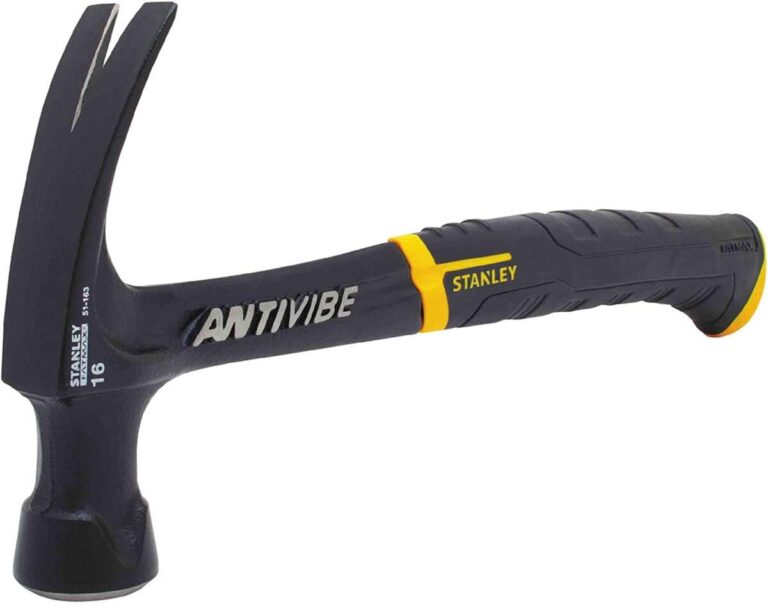
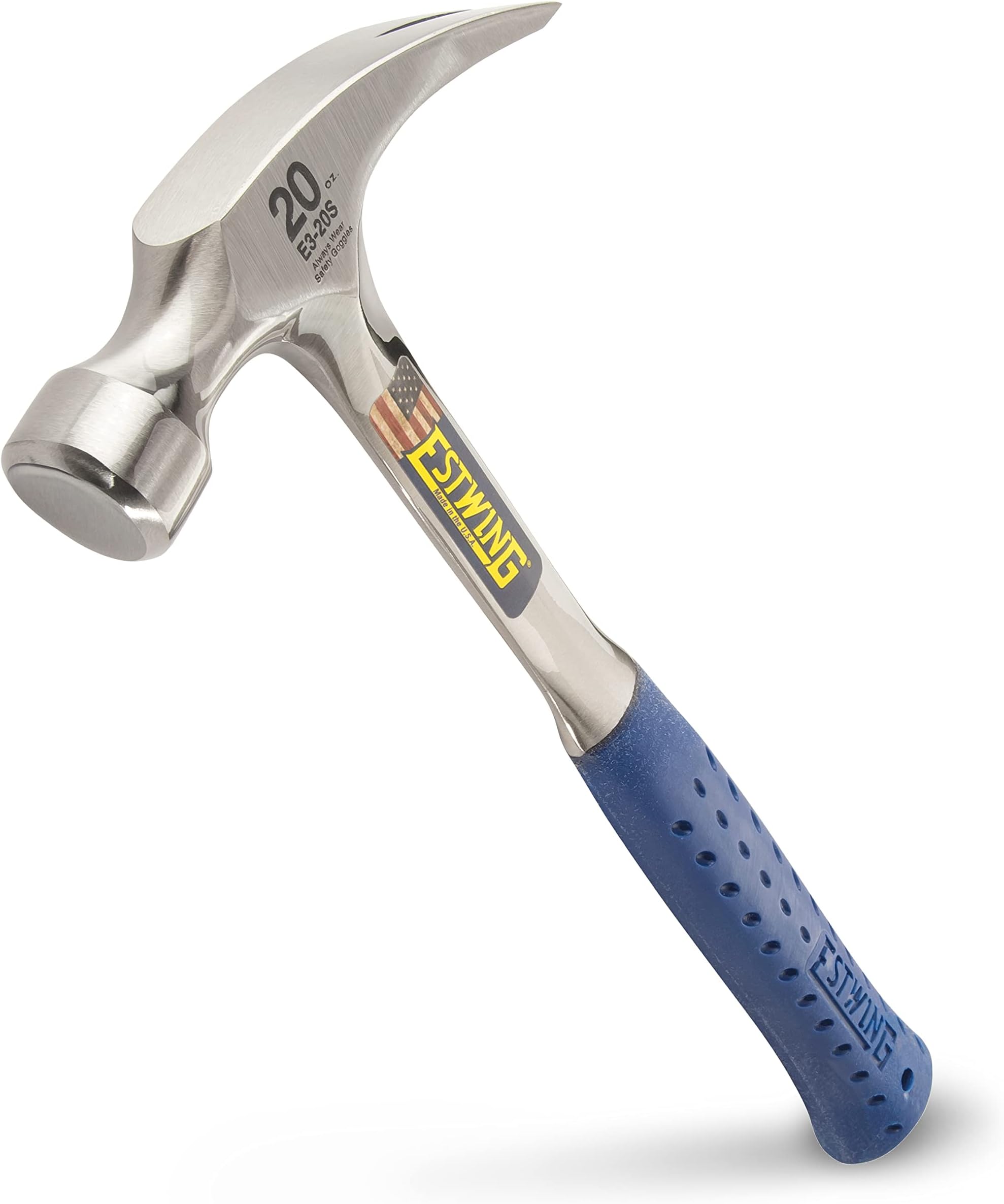
Yes. A 16 oz claw hammer is the best general-purpose hammer for many US homes, garages, and workshops.
It has enough mass for common nails used in repairs, shelves, small framing projects, fence work, and basic carpentry. It is also light enough for many users to control during overhead or detail work.
A 16 oz hammer is especially useful for:
- Hanging pictures and shelves.
- Repairing loose boards.
- Building small wooden projects.
- Removing common nails.
- Installing hardware.
- Performing routine home maintenance.
- Driving 6d, 8d, and similar general-purpose nails.
A smooth face is usually the better choice for home use. It leaves fewer marks when the face slips or contacts the wood. A milled or checkered face grips the nail better, but it can leave a waffle-shaped mark in the material.
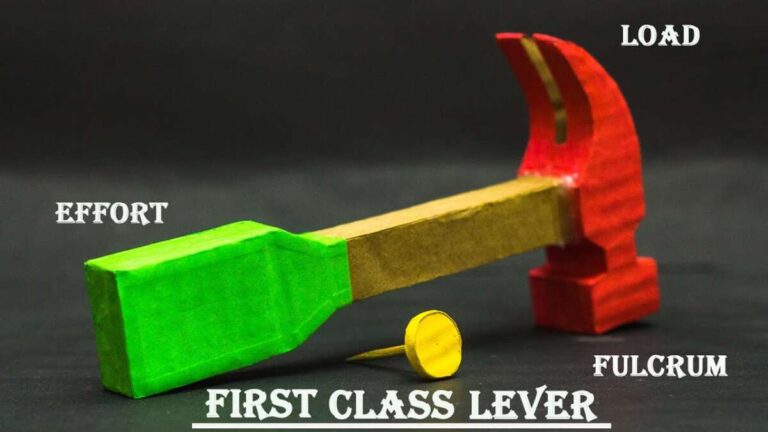
Choose a curved claw for general nail pulling. The curved shape gives leverage and works well for common repair tasks. A straight claw can be useful for prying, demolition, and pulling larger nails, but it may damage wood more easily.
A 16 oz hammer may not be ideal for heavy framing. If you drive large nails all day, a 20 oz or 22 oz framing hammer can reduce the number of swings. The trade-off is more fatigue and a greater chance of damage when precision is needed.
What hammer weight is best for common jobs?
The best hammer weight depends on the task. Use the lightest hammer that can do the work without repeated hard swings.
Small brads, crafts, and delicate work: 4–8 oz
A 4–8 oz hammer gives precise control. It suits small brads, picture-hanging hardware, model work, crafts, and light upholstery.
A small hammer reduces the chance of bending a thin nail or denting soft wood. It also creates less impact when working near glass, trim, or finished surfaces.
Do not use a small hammer for large nails. You may need many swings, and repeated misses can damage the work or strain your hand.
Finish carpentry and trim: 8–12 oz
An 8–12 oz hammer works well for finish nails, small trim nails, cabinet work, and light repairs.
Finish work often needs accuracy rather than maximum force. A lighter head helps you place the face on a small nail and avoid dents in the trim.
For very fine finish work, many carpenters use a nail set or pneumatic nailer instead of relying on a hammer alone. A nail set lets you drive the nail head below the surface after the hammer has placed it.
General repairs: 16 oz
A 16 oz claw hammer is the most useful middle ground. It handles a broad range of nails and materials.
It is a good starting point for a homeowner who does not yet know which hammer weight fits their work. It also makes a practical backup hammer for a professional who already owns specialty tools.
Framing, decks, and large nails: 20–22 oz
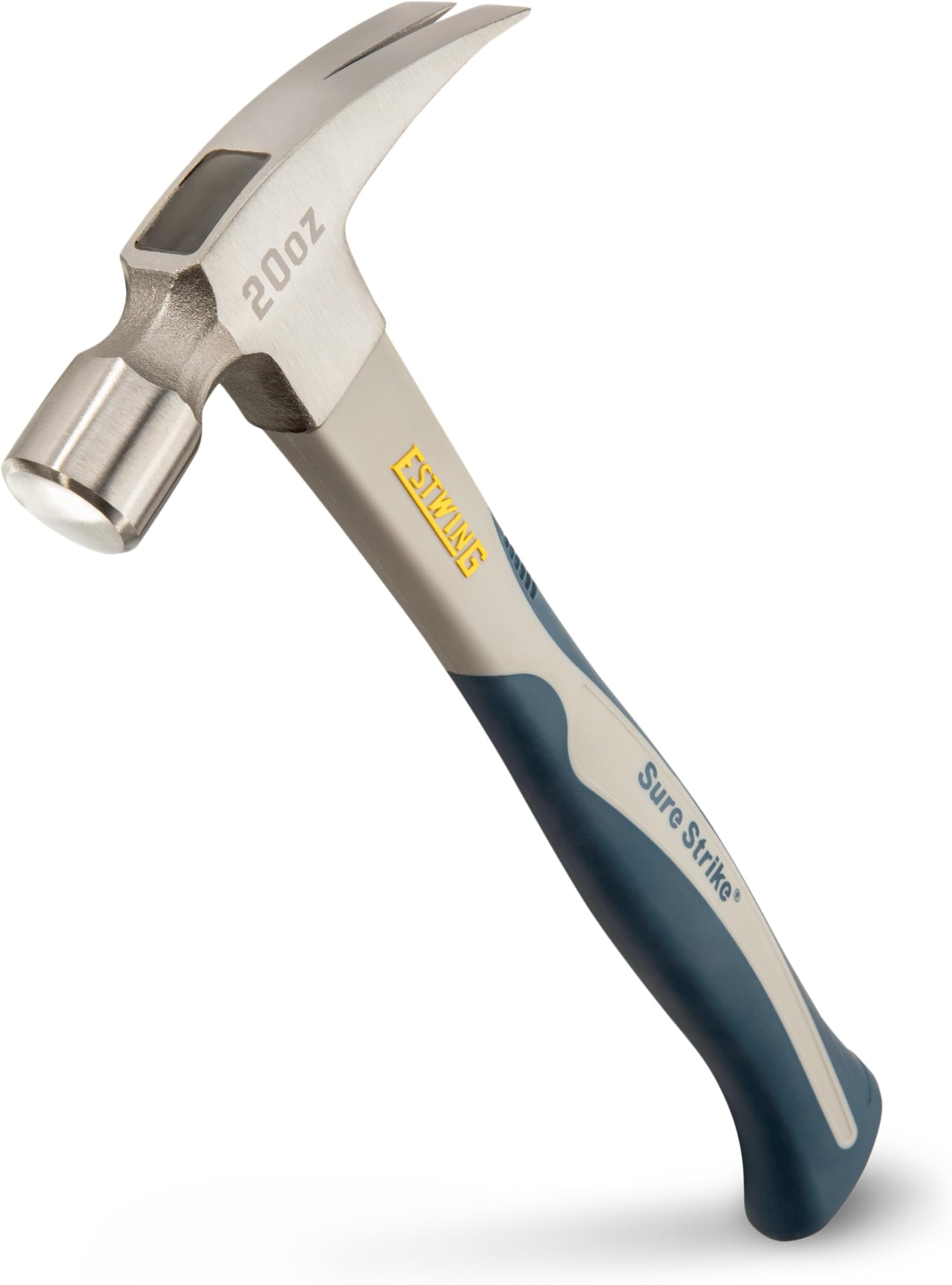
A 20–22 oz hammer is better for framing walls, building decks, installing fence posts, and driving long or thick nails.
The added head weight gives each blow more force. This can save time when the material is dense or the nail is long.
The cost is fatigue. A 20 oz hammer can feel tiring during overhead work or repeated nail driving. It may also split thin boards or leave deeper marks if you miss.
Heavy construction: 24–32 oz
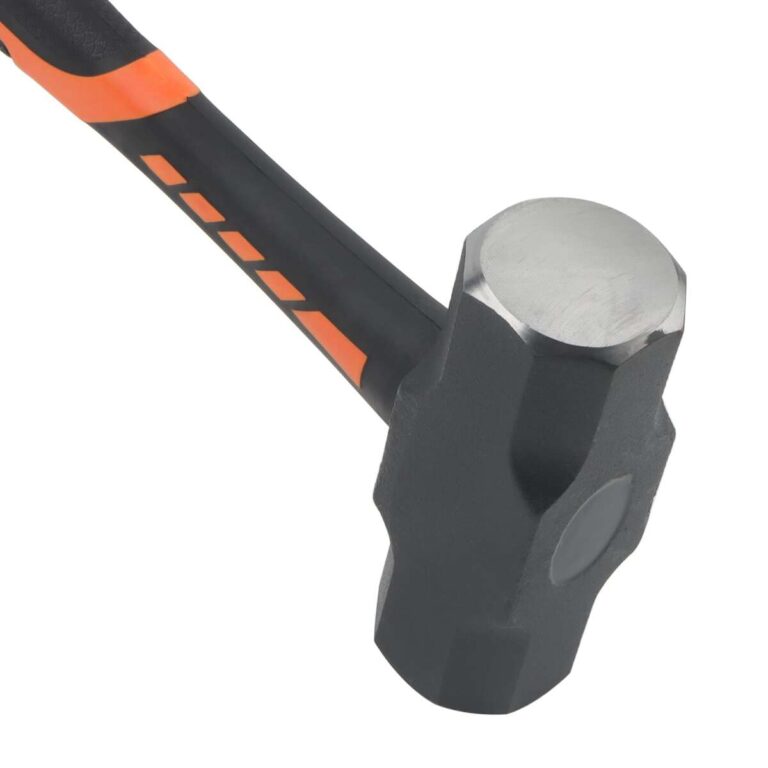
A 24–32 oz hammer is made for high-impact work. It may suit heavy framing, timber work, or demolition when large fasteners must move quickly.
Most homeowners do not need this range. The extra weight can slow accurate work and increase arm, wrist, and shoulder stress.
Use a heavy hammer only when its power solves a real problem. Do not select one simply because it feels stronger in the store.
Metalwork and mechanics: 8–16 oz ball-peen
A ball-peen hammer is not a substitute for a claw hammer. Its rounded peen is designed for shaping metal, setting rivets, and working with punches.
An 8–16 oz ball-peen hammer suits light metalwork and general mechanical tasks. Heavier models provide more force for thicker metal but require better control.
Never use a damaged hammer for striking punches, chisels, or hardened tools. A chipped face can send metal fragments toward the user.
How do you choose between an 8 oz, 16 oz, and 20 oz hammer?
Compare the three weights by asking how much force and control your work needs.
| Feature | 8 oz | 16 oz | 20 oz |
|---|---|---|---|
| Control | Very high | High | Moderate |
| Driving power | Low | Moderate | High |
| Best use | Trim and small nails | General repairs | Framing and large nails |
| Fatigue | Low | Moderate | Higher |
| Risk of surface damage | Lower | Moderate | Higher |
| Best for one-hammer ownership | Sometimes | Usually | Only for heavier work |
Choose an 8 oz hammer when the nail is small and the surface is easy to damage.
Choose a 16 oz hammer when you need one tool for varied home projects.
Choose a 20 oz hammer when you regularly drive large nails or work in framing and construction.
A useful test is to hold the hammer at the end of the handle and make a few controlled practice swings. The hammer should feel balanced rather than nose-heavy. If your wrist bends back, your grip tightens, or your shoulder rises, the hammer may be too heavy or poorly balanced for you.
Do not judge only by head weight. Two hammers with the same ounce rating can feel different because of handle length, grip shape, head design, and balance.
Which hammer head and handle should you buy?
For general US home use, select a smooth-face, curved-claw hammer with a comfortable handle.
Smooth face or milled face?
A smooth face is the safer general choice for finished wood, trim, and household repairs. It is less likely to leave a visible pattern after a glancing blow.
A milled face has ridges that help the hammer grip the nail. It is common on framing hammers because speed and nail control matter more than a perfect surface.
Use a smooth face when appearance matters. Use a milled face when you frame often and can accept marks that may be covered or sanded.
Wood, fiberglass, or steel handle?
Each handle type has strengths and limits.
- Wood handles are light, comfortable, and easy to replace on some traditional hammers. They can split, loosen, or break if neglected.
- Fiberglass handles resist many common breaks and often reduce vibration. The grip and quality of the connection still matter.
- Steel handles can be strong and durable. They may transmit more vibration unless the hammer has a suitable grip and shock-control design.
Inspect the handle before use. Do not use a hammer with a loose head, cracked handle, mushroomed striking face, or damaged grip.
The US Occupational Safety and Health Administration advises employers to keep hand tools in safe condition and remove tools with defects that could cause injury. That rule applies directly to workplace tool programs, but the same basic practice makes sense in a home workshop.

How much does hammer balance matter?
Balance matters because it changes how easily you can aim, swing, and stop the hammer.
A hammer with most of its weight at the head can produce strong impact. It may also feel harder to control. A more balanced hammer can feel smoother during repeated light strikes.
Hold the hammer near the end of the handle. It should not twist sharply in your hand. Make a slow practice swing. The face should travel in a straight path without forcing your wrist to correct it.
Grip the handle firmly but not as tightly as possible. A very tight grip can increase hand fatigue and reduce control. For many strikes, let the hammer move from the elbow and shoulder rather than snapping only from the wrist.
A longer handle can add leverage and swing speed. It can also make the hammer harder to control in narrow spaces. A shorter handle offers better control but less reach and power.
The best balance depends on your body, task, and work position. There is no single balance point that fits every user.
Common mistakes when choosing a hammer
Buying the heaviest hammer
More weight can mean more force, but it can also mean more fatigue and less accuracy. A heavy hammer is a poor choice for small nails or finished surfaces.
Using one hammer for every material
A claw hammer is not the best tool for every job. Use a rubber mallet for some assembly work, a dead-blow hammer when rebound must be limited, and a ball-peen hammer for metalwork.
Ignoring the face
A chipped or badly mushroomed face can create dangerous fragments. Replace the hammer or have it repaired by a qualified tool professional.
Striking hardened tools with the wrong hammer
Do not strike a hardened steel punch or chisel with a hammer that the tool maker does not approve. The impact can cause chips or fragments.
Holding the hammer too close to the head
A short grip gives control but reduces power. Hold the hammer farther down the handle when you need a full swing, while keeping enough control for the work area.
Skipping eye protection
Wear safety glasses when driving nails, removing nails, striking metal, or working near fragments. Keep other people away from the swing path.
Using the claw as a pry bar
A claw can pull nails and provide limited leverage. It is not always a replacement for a pry bar. Excessive prying can bend the claw or damage the handle.

A simple buying checklist
Before buying a hammer, check these points:
- Head weight: Choose 16 oz for general use, 8–12 oz for light work, or 20 oz and above for regular framing.
- Face type: Select smooth for finished surfaces and milled for frequent framing.
- Claw style: Pick curved for nail pulling and straight for more aggressive prying.
- Handle fit: Make sure the grip feels secure and comfortable.
- Balance: The hammer should swing in a straight, controlled path.
- Head connection: The head must not move on the handle.
- Surface condition: Avoid cracks, chips, sharp burrs, and damaged grips.
- Your work position: A lighter hammer may be better for overhead or cramped work.
- Nail size: Match the hammer to the nail instead of choosing by weight alone.
- Storage: Keep the hammer dry and protect the face from damage.
If you are buying only one hammer, start with a 16 oz smooth-face claw model. Add a lighter 8 oz or 12 oz hammer for trim and small repairs if those tasks become common. Add a 20 oz framing hammer only when the larger nails and repeated work justify it.
Frequently asked questions
Is a 16 oz hammer strong enough for framing?
A 16 oz hammer can drive many framing nails, especially for occasional projects. A 20 oz or 22 oz hammer is often more efficient for repeated framing because it delivers more force per swing.
Is a heavier hammer better for driving nails?
Not always. A heavier hammer can drive large nails with fewer swings, but it is harder to control and may cause more damage. Match the hammer to the nail and material.
What is the best hammer for a beginner?
A 16 oz smooth-face curved-claw hammer is usually the best beginner option. It offers a useful mix of power, control, and versatility for common home repairs.
What oz hammer is best for trim?
An 8–12 oz smooth-face hammer is a good choice for trim, finish nails, and small woodworking tasks. Use a nail set when the nail head must sit below the wood surface.
Should I buy a claw hammer or ball-peen hammer?
Buy a claw hammer for wood, nails, and home repairs. Buy a ball-peen hammer for metal shaping, riveting, and mechanical work. They are designed for different tasks.
Conclusion: the best hammer weight depends on your work
The best all-purpose hammer for most US homeowners is a 16 oz smooth-face claw hammer. It handles common repairs without the bulk of a framing hammer or the limited power of a small trim hammer.
Choose 8–12 oz for delicate work, 20–22 oz for regular framing, and 24 oz or more only for demanding construction tasks. Before buying, test the balance, inspect the handle and head, and select the lightest hammer that gives enough power.
That choice will usually produce better accuracy, less fatigue, and fewer damaged nails and surfaces than simply buying the heaviest hammer available.
Recent Tool Guides
 Hammer
How To Hammer Flowers Onto Paper: Easy Guide
Learn how to hammer flowers onto paper with simple steps, helpful tips, and beautiful results for...
Read Guide → Wrench
How To Use A Hex Wrench: Easy Step-By-Step Guide
Learn how to use a hex wrench correctly with simple steps, helpful tips, and common mistakes...
Read Guide → Hacksaw
How To Cut Curtain Pole With Hacksaw: Easy Guide
Learn how to cut curtain pole with hacksaw safely and neatly. Follow simple steps for accurate...
Read Guide → Wrench
How To Use A Husky Torque Wrench: Easy Guide
Learn how to use a Husky torque wrench correctly with simple steps, torque settings, and safety...
Read Guide → Hammer
How To Hold A Hammer: Safe Grip Guide
Learn how to hold a hammer with the right grip, stance, and technique for safer, more...
Read Guide → Hacksaw
How To Cut Flexible Metal Conduit With Hacksaw: Easy Guide
Learn how to cut flexible metal conduit with hacksaw safely and cleanly. Follow simple steps for...
Read Guide →