What Is A California Framing Hammer: Uses And Benefits
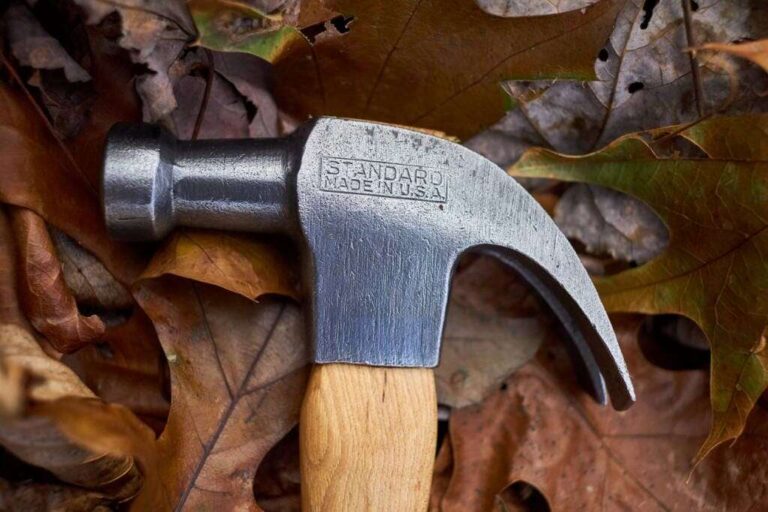
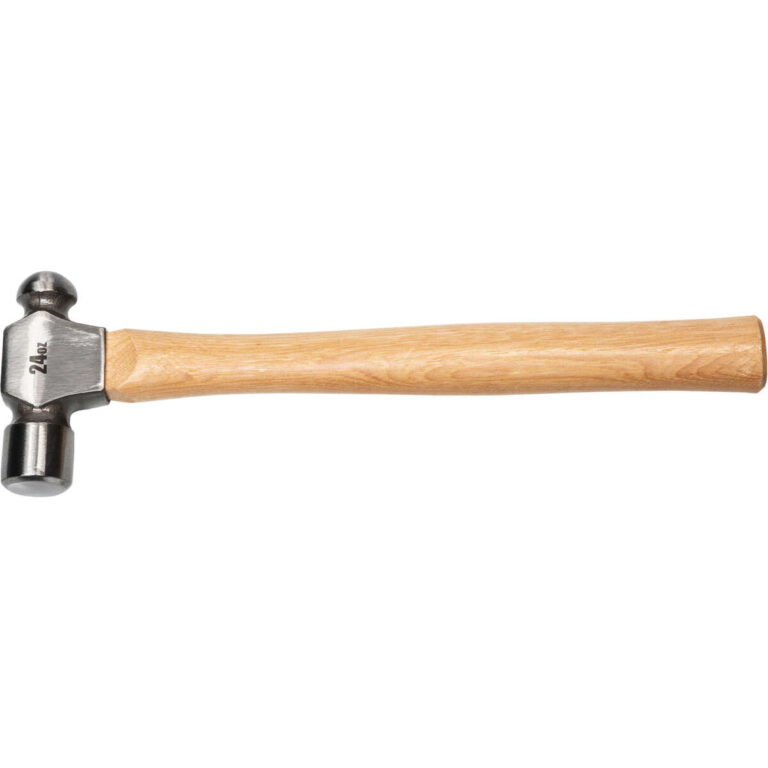
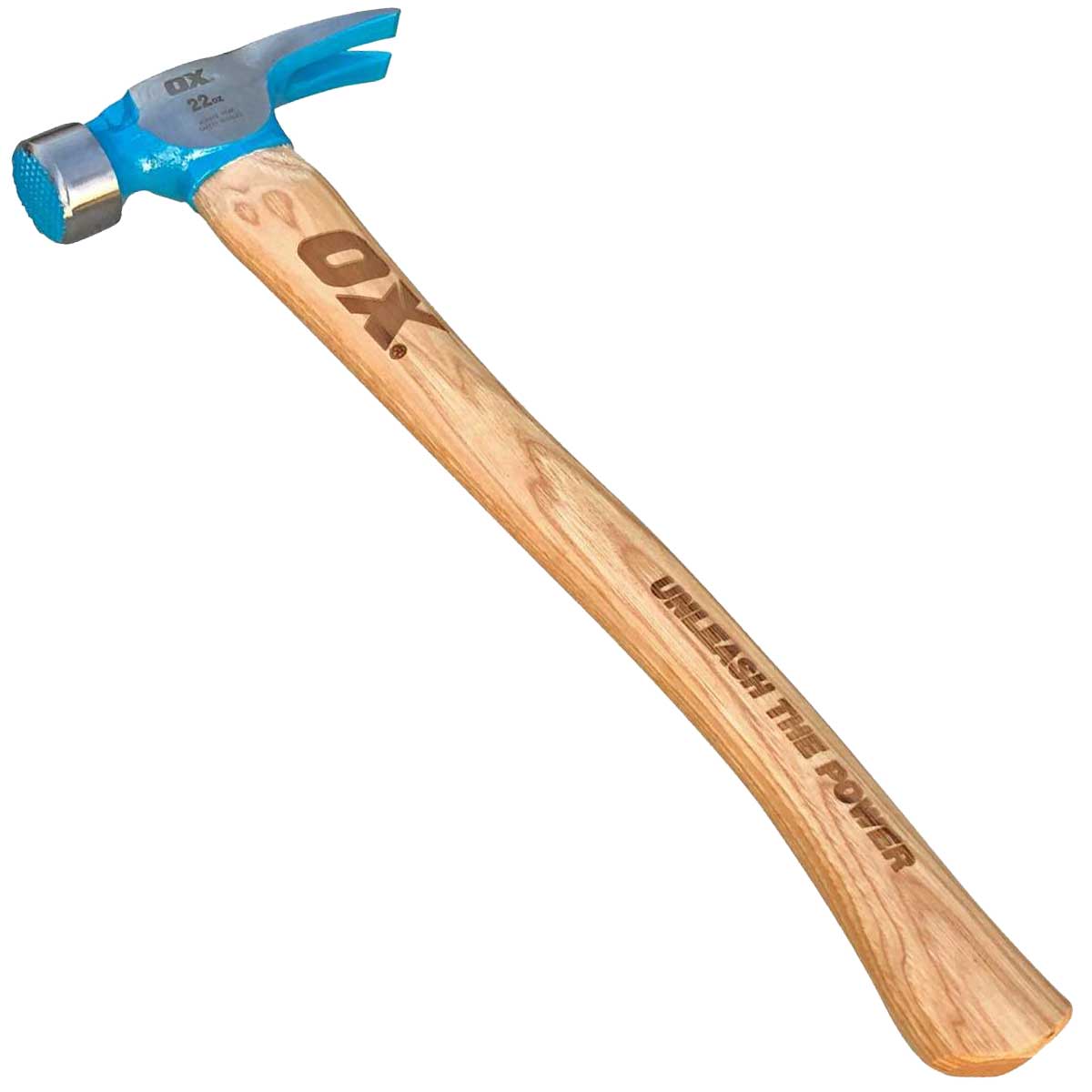
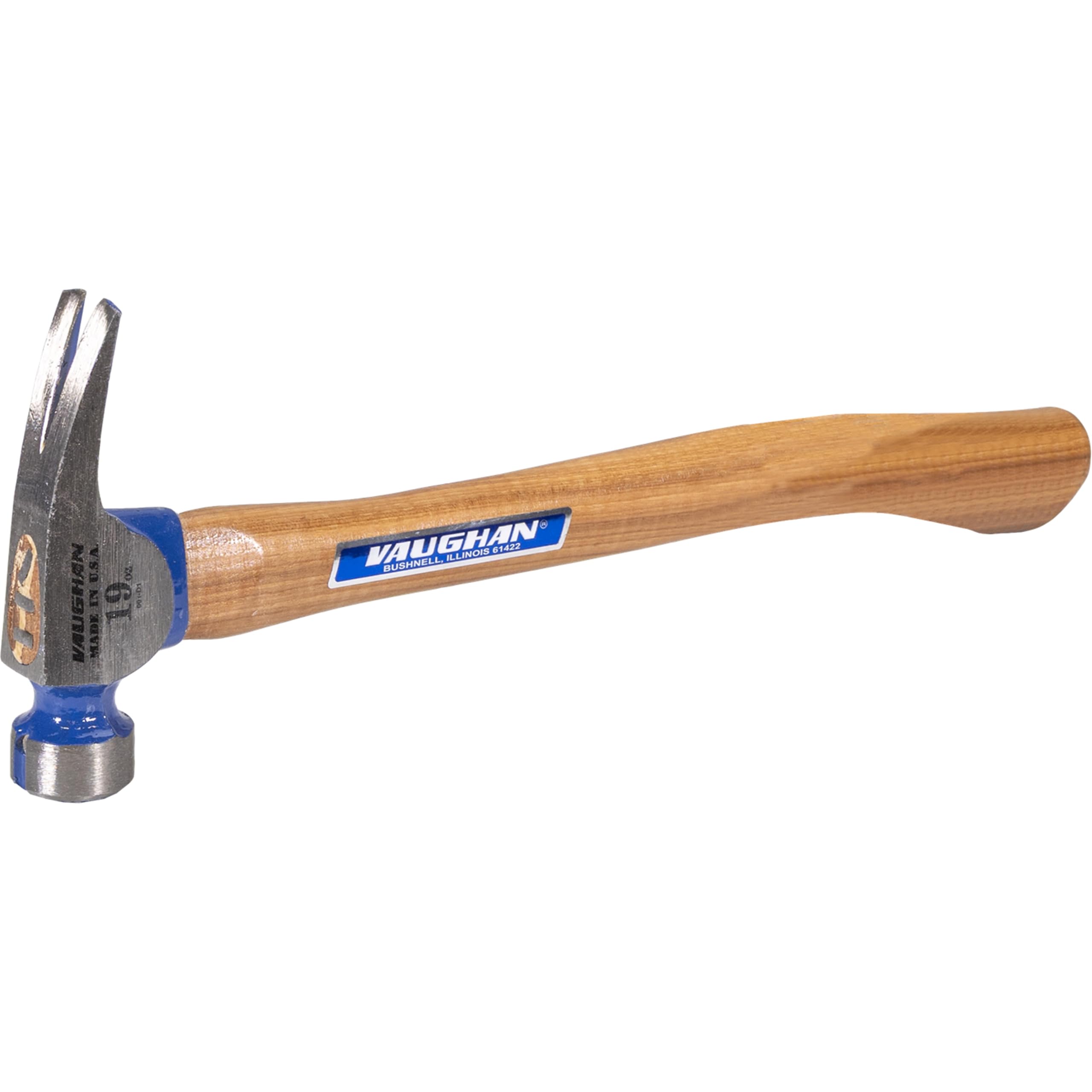
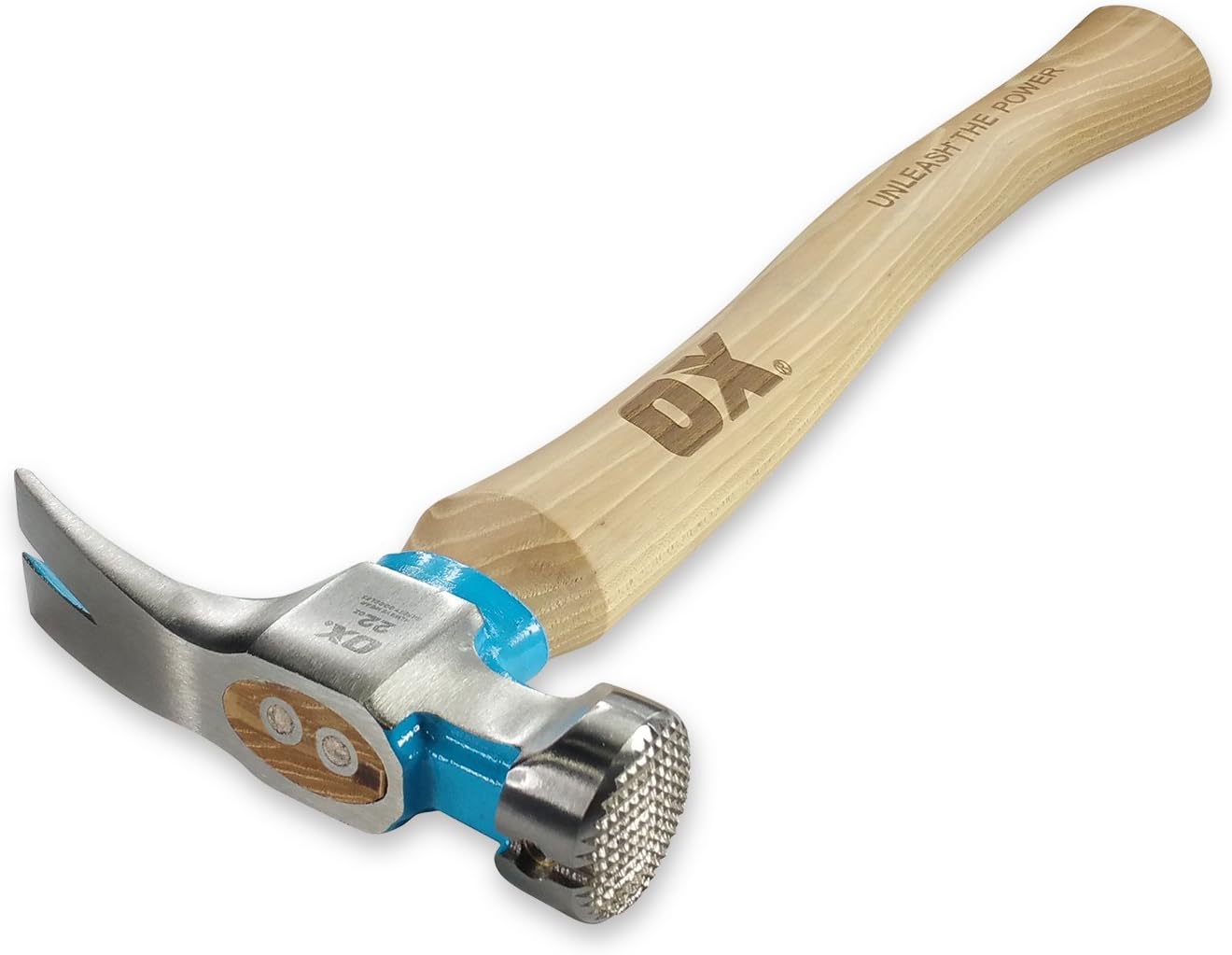
A California framing hammer is a large, heavy hammer made for framing wood buildings in the United States. It usually has a long handle, a wide striking face, a milled or textured face, and a straight claw for pulling nails and prying boards.
The name describes a hammer style, not one fixed design or legal standard. Brands may use “California framing hammer,” “California framer,” or “framing hammer” for tools with slightly different head weights, handle materials, face patterns, and claw shapes.
For most users, the key idea is simple: it is a full-size framing hammer built to drive large nails quickly and help position or pull framing lumber.
California Framing Hammer at a Glance
A California framing hammer is designed for rough carpentry, wall framing, roof framing, deck work, and other jobs that use large nails. Compared with a general-purpose claw hammer, it normally has more weight and a larger face.
| Feature | Typical California framing hammer |
|---|---|
| Head weight | Often about 20 to 25 ounces |
| Face | Wide; smooth or milled |
| Claw | Commonly straight |
| Handle | Usually longer than a household claw hammer |
| Main use | Wood framing and rough carpentry |
| Common materials | Forged steel head with wood, fiberglass, or composite handle |
| Main benefit | More power and better control for large framing nails |
| Main drawback | More tiring and less precise for light work |
These are common traits, not strict rules. A product called a California framer may have a 19-ounce head, a 25-ounce head, a curved claw, or a smooth face.
What Does “California” Mean in a Framing Hammer?
“California” usually refers to a traditional framing-hammer pattern associated with large wood-frame construction in the United States. The style favors a broad head and a long handle because those features help a carpenter drive long nails with fewer swings.
The term does not mean that every California framing hammer is made in California. It also does not prove that the tool meets a special California building code or safety standard.
The name is best treated as a product-style label. Read the actual specifications before buying. The head weight, face type, claw design, balance, and handle length matter more than the word “California” on the package.
Common design features
Most California-style framing hammers include several of these features:
- Heavy head: Adds striking force for large nails.
- Wide face: Makes it easier to hit the nail head during fast framing work.
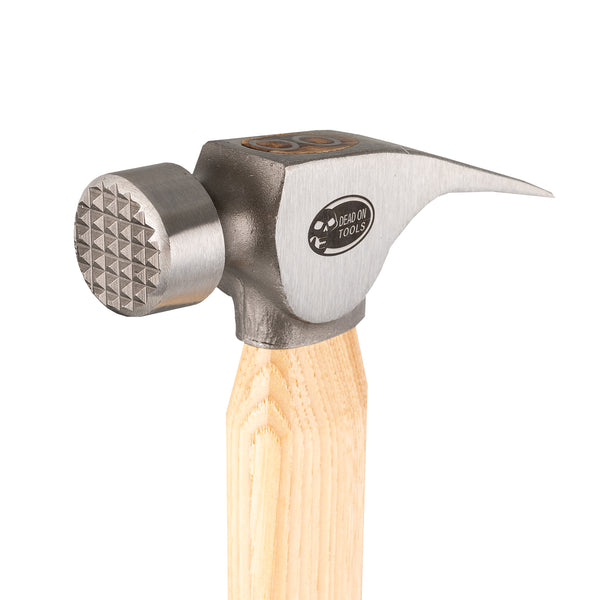
- Milled face: Uses small ridges that help reduce glancing blows.
- Straight claw: Pulls nails and can help with prying or rough positioning.
- Long handle: Creates more leverage and swing speed.
- Forged head: Gives the hammer a strong steel striking body.
- Framing grip: Often has a full, shock-absorbing handle for repeated blows.
Not every feature appears on every model. For example, some carpenters prefer a smooth face because it leaves fewer marks on visible wood. Others prefer a milled face because it grips the nail head better.
How Is a California Framing Hammer Different From Other Hammers?
A California framing hammer is larger and more specialized than a standard claw hammer. It is built for repeated, forceful strikes rather than small household repairs.
California framing hammer vs. standard claw hammer
A standard claw hammer often weighs between about 8 and 16 ounces. It works well for small nails, trim, light repairs, and general home use.
A California framing hammer commonly weighs around 20 to 25 ounces. That extra weight can drive large nails faster, but it also creates more fatigue and can cause greater damage when a swing misses.
Choose a standard claw hammer when you need control and light weight. Choose a framing hammer when you regularly drive long nails into structural lumber.
California framing hammer vs. finish hammer
A finish hammer has a smaller head and a smoother face. It is made for trim, cabinets, and other work where dents and surface marks matter.
A California framing hammer is the wrong tool for delicate finish work unless the face is smooth and you have strong control. Even then, its weight may be excessive.
California framing hammer vs. rip hammer
A rip hammer has a straight claw. A California framing hammer often uses a straight claw, so the terms can overlap.
The difference is that “rip hammer” describes the claw shape and intended prying action, while “California framing hammer” usually describes the larger framing pattern as a whole.
California framing hammer vs. California-style framing hatchet
Some framing tools have a hatchet-like profile or include a nail-pulling slot in the side of the head. These tools can look similar to a California framer but are not always the same product.
Check the head shape and manufacturer description. A framing hatchet may be intended for specialty carpentry tasks, while a California framing hammer is usually a conventional hammer with a separate claw.
What Is a California Framing Hammer Used For?
A California framing hammer is mainly used to assemble wood structures with large nails. It is common in residential construction, remodeling, deck building, sheds, and rough carpentry.
Typical tasks include:
- Driving common framing nails
- Joining wall studs and plates
- Building roof rafters and trusses
- Installing floor joists
- Framing decks and platforms
- Setting blocking between framing members
- Pulling bent or misplaced nails
- Separating boards during rough demolition
- Adjusting lumber before final fastening
The hammer can also help with rough alignment. A carpenter may tap a stud into position or use the claw to pull a board tight. However, the claw is not a replacement for a pry bar when high force is needed.
Do not use the hammer as a chisel, wedge, splitting tool, or striking tool for another hardened tool unless the manufacturer allows that use. The head can chip, and flying metal fragments can cause serious injury.
Should You Choose a Smooth or Milled Face?
The face type depends on whether grip or surface protection matters more.
Milled face
A milled face has raised ridges or a grid-like pattern. The ridges can help the face stay on the nail head, especially during fast framing work or when striking at a slight angle.
The trade-off is visible marking. A missed or glancing blow can leave a rough pattern in the wood. That is usually acceptable in hidden wall framing but undesirable on exposed trim.
Smooth face
A smooth face leaves less obvious texture when you hit the wood correctly. It is a better choice when you want a cleaner surface or plan to use the hammer for more than rough framing.
The trade-off is that a smooth face may slide more easily from a poorly aligned nail head. Good technique matters with either face.
Practical rule: Choose a milled face for speed and hidden framing. Choose a smooth face when marks matter or when you want a more versatile hammer.
How Heavy Should a California Framing Hammer Be?
For many carpenters, a 20- to 25-ounce hammer offers a useful balance between striking power and control. The right weight depends on your strength, work pace, nail size, and how long you will use the tool.
| Head weight | Best fit | Main trade-off |
|---|---|---|
| 16–19 oz | Lighter framing, remodeling, longer sessions | Less force per swing |
| 20–22 oz | General framing and mixed carpentry | Moderate fatigue |
| 23–25 oz | Heavy framing and fast nail driving | More fatigue and overstrike risk |
| More than 25 oz | Specialized heavy work | Often tiring for routine use |
These ranges describe the hammer head only. The total tool weight also depends on the handle and construction.
A heavier hammer does not always make a worker faster. If it causes poor aim, slower recovery, or wrist and elbow strain, a lighter model may produce better results over a full workday.
A useful test is to make several controlled swings without striking anything. If the hammer feels hard to stop or pulls your wrist out of line, it is probably too heavy for comfortable repeated use.
How to Use a California Framing Hammer Safely
Use a California framing hammer with eye protection, a firm stance, and a clear striking path. Framing work involves flying chips, missed blows, sharp nails, and heavy repetitive motion.
Follow these basic practices:
- Inspect the hammer before use. Look for a loose head, cracked handle, damaged grip, mushroomed striking face, or sharp steel chips.
- Wear safety glasses. Wood fragments and damaged nail heads can travel at high speed.
- Keep your support hand clear. Hold the lumber away from the nail path whenever possible.
- Start the nail with light blows. Set the nail straight before using full force.
- Use controlled swings. Let the hammer do the work instead of forcing it with your wrist.
- Keep the face square to the nail. A straight blow reduces slipping and bending.
- Stop when the hammer or handle changes shape. A damaged tool can fail without warning.
- Use hearing protection in active construction areas. Repeated impact noise can be harmful.
- Do not strike hardened steel objects without approval. The face or object may chip.
- Use the correct tool for prying. A wrecking bar or pry bar is safer for heavy leverage.
Never carry the hammer by the head while climbing. Keep three points of contact on ladders and use a tool belt or hoist line when the job requires both hands.
Common Problems and How to Fix Them
The hammer slips off nail heads
The nail may be leaning, the face may be smooth, or the swing may be off-center. Set the nail with short, light blows and keep the hammer face square to the nail.
A milled face can improve grip, but it will not correct a badly angled nail or poor hand position.
The hammer leaves deep marks
This often happens when the face is milled, the blow misses the nail, or the hammer contacts the wood after the nail sinks below the surface.
Use a smooth-face hammer for visible wood. For hidden framing, marks are usually less important than speed and secure fastening.
The handle feels loose
Stop using the hammer. A loose head can fly off during a swing. Do not rely on tape, glue, or a temporary wedge as a permanent repair.
Wood handles may need proper replacement or fitting. For a serious crack, damaged eye, or deformed head, replacing the hammer is usually the safer choice.
The hammer causes wrist or elbow pain
The tool may be too heavy, poorly balanced, or used with excessive wrist motion. Try a lighter hammer, improve the swing path, and take regular breaks.
Persistent pain, numbness, or weakness calls for stopping the task and seeking qualified medical advice.
Nails bend often
Check the nail angle, lumber density, and hammer alignment. Hard or knotty wood may require a different nail or a pilot hole where appropriate. Do not compensate by swinging harder while the nail is visibly misaligned.
What Should You Look for When Buying One?
Start with the work, not the label. A good California framing hammer should match your typical nail size, work duration, surface needs, and comfort.
Check these points:
- Head weight: Select a weight you can control for repeated swings.
- Face type: Choose milled for grip or smooth for fewer marks.
- Claw shape: A straight claw suits pulling and rough prying; a curved claw may offer more nail leverage.
- Handle length: A longer handle can add power but may feel harder to control in tight spaces.
- Handle material: Wood can feel natural and may be replaceable. Fiberglass and composite handles often resist splitting but can feel different in the hand.
- Balance: The hammer should track straight without twisting your wrist.
- Grip: Look for a secure grip that does not become slippery with sweat.
- Head-to-handle fit: The head should sit firmly with no movement.
- Replacement support: Check whether the maker offers replacement handles or service.
- Work environment: A large hammer may be useful on open framing but awkward inside small rooms.
Do not choose solely by the highest ounce rating. More mass can increase power, but it also increases fatigue and the force of a missed blow.
Key Takeaways
- A California framing hammer is a large hammer for wood framing and rough carpentry.
- It commonly has a heavy head, broad face, long handle, and straight claw.
- The name describes a style, not a fixed standard or proof of origin.
- Milled faces improve nail grip but can mark wood.
- Smooth faces leave fewer marks but may slip more easily.
- A 20- to 25-ounce model suits many framing tasks, but comfort and control matter more than maximum weight.
- Inspect the hammer before use and replace it if the head is loose or the handle is damaged.
Frequently Asked Questions
Is a California framing hammer good for home repairs?
It can be, but it may be more hammer than most home repairs need. A 16-ounce claw hammer is often easier to control for shelves, small nails, picture frames, and light maintenance.
A California framing hammer makes more sense for deck repairs, shed construction, wall framing, and other jobs that use large nails.
Is a California framing hammer the same as a framing hammer?
Not always. “Framing hammer” is the broad category. “California framing hammer” usually refers to a larger traditional style within that category.
Manufacturers use these names differently, so compare the actual specifications.
Are California framing hammers too heavy for beginners?
Some are. A 23- or 25-ounce hammer may be tiring for a new user and can make accurate striking harder.
A lighter framing hammer can be a better starting point. Learn to keep the face square and use controlled swings before moving to a heavier tool.
Does a milled face drive nails better?
A milled face can help reduce slipping when the hammer meets the nail head correctly. It does not guarantee better results, and it can leave marks in the wood.
The best choice depends on whether speed and grip or a clean surface matter more.
Can you use a California framing hammer to split wood?
It is not the right tool for splitting wood. Use an axe, splitting maul, or other tool designed for that purpose.
Using a framing hammer as a wedge or striking tool can damage the hammer and send metal or wood fragments toward the user.
What is the best next step when choosing one?
Decide whether you need a smooth or milled face, then handle several weights if possible. Choose the lightest model that still drives your usual nails efficiently and feels stable throughout a full set of practice swings.
Conclusion
A California framing hammer is a heavy-duty framing tool built for force, speed, and rough carpentry. Its broad head and long handle help drive large nails, while its claw supports nail removal and basic board adjustment.
The best model is not automatically the heaviest one. Match the hammer to your work, choose the face style that fits the wood, and give equal attention to balance, handle comfort, and safe condition.
Recent Tool Guides
 Hammer
How To Hammer Flowers Onto Paper: Easy Guide
Learn how to hammer flowers onto paper with simple steps, helpful tips, and beautiful results for...
Read Guide → Wrench
How To Use A Hex Wrench: Easy Step-By-Step Guide
Learn how to use a hex wrench correctly with simple steps, helpful tips, and common mistakes...
Read Guide → Hacksaw
How To Cut Curtain Pole With Hacksaw: Easy Guide
Learn how to cut curtain pole with hacksaw safely and neatly. Follow simple steps for accurate...
Read Guide → Wrench
How To Use A Husky Torque Wrench: Easy Guide
Learn how to use a Husky torque wrench correctly with simple steps, torque settings, and safety...
Read Guide → Hammer
How To Hold A Hammer: Safe Grip Guide
Learn how to hold a hammer with the right grip, stance, and technique for safer, more...
Read Guide → Hacksaw
How To Cut Flexible Metal Conduit With Hacksaw: Easy Guide
Learn how to cut flexible metal conduit with hacksaw safely and cleanly. Follow simple steps for...
Read Guide →