What Is The Most Common Hammer: Best Type Explained
Introduction
In the United States, the claw hammer is the most common general-purpose hammer. It is the familiar hammer found in many American homes, garages, toolboxes, and construction sites.
A typical claw hammer has a striking face on one end and a curved claw on the other. The face drives nails. The claw pulls nails, lifts small boards, and helps with light prying work.
For most home repairs, a 16-ounce claw hammer with a curved claw is the best starting point. It offers a useful balance of force, control, and weight. Still, “most common” is not the same as “best for every job.” A framing hammer, ball-peen hammer, or sledgehammer may be better for a specific task.
Why the Claw Hammer Is the Most Common
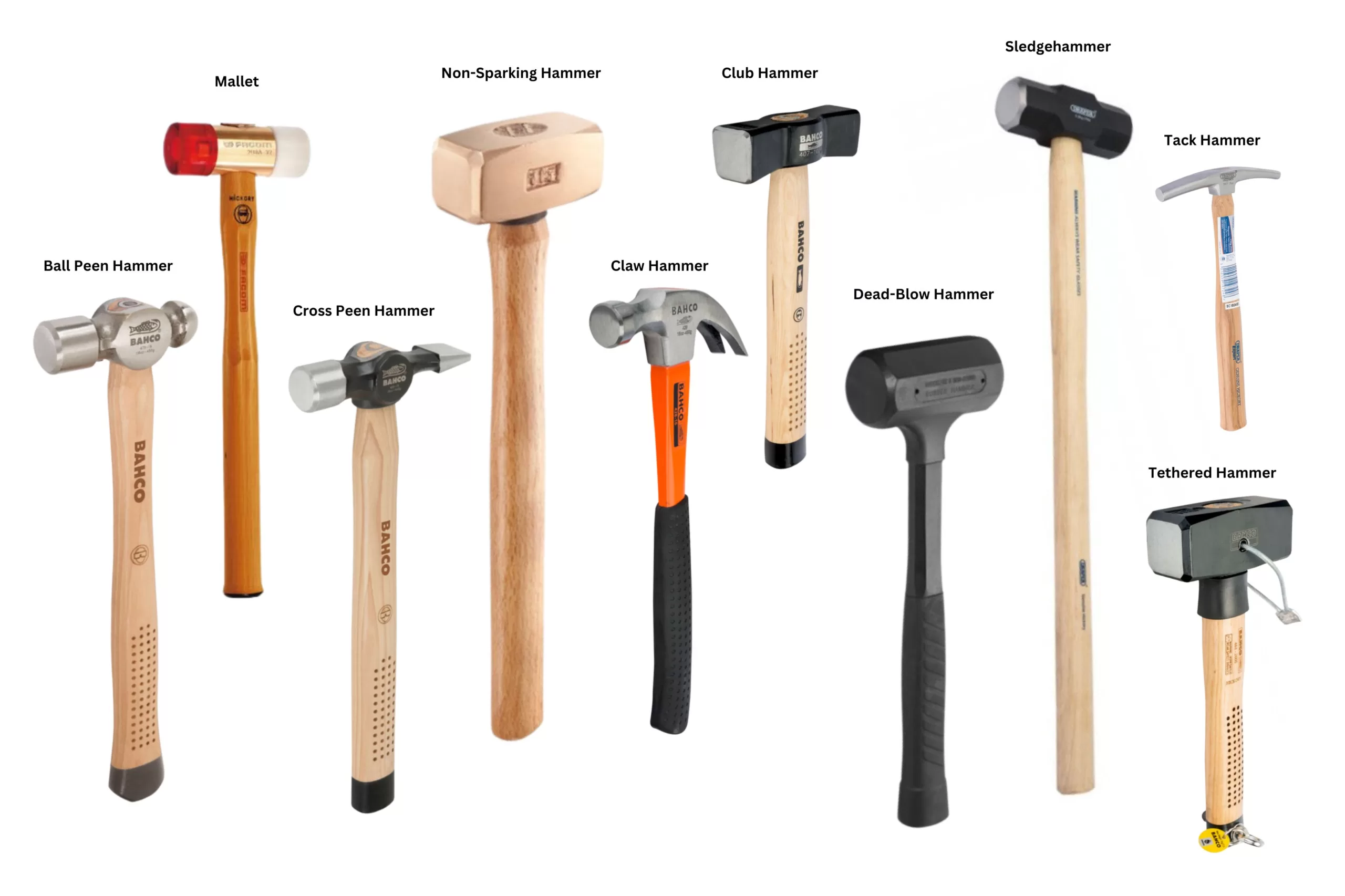
The claw hammer is common because it does several basic jobs with one tool. It can drive and remove nails, make small adjustments, and handle many light repair tasks.
There is no single federal count of hammer ownership in American homes. So, the claim that the claw hammer is the most common is a practical conclusion based on its widespread use in home repair, carpentry, construction, and retail tool lines. Major tool makers and hardware stores also treat the claw hammer as a standard general-purpose hammer.
Its design fits common American repair work:
- Driving nails: The flat face hits the nail head.
- Pulling nails: The claw grips the nail and gives leverage.
- Light prying: The claw can lift trim or separate small pieces of wood.
- Small adjustments: The hammer can tap wood joints or hardware into place.
- Easy storage: It is small enough for a home tool drawer or basic toolbox.
The claw hammer is also easy to understand. You do not need special training to identify its two working ends. That simple design helps explain why it is often the first hammer people buy.
What Makes a Claw Hammer Different?
A claw hammer has three main parts: the head, the handle, and the claw. Each part affects how the tool feels and what it can do.
The striking face
The striking face is the flat or slightly rounded end used to hit nails and other objects. Many claw hammers have a smooth face. Others have a textured face that helps prevent slipping off a nail head.
A smooth face is better for finished wood because it leaves fewer marks. A textured face can grip a nail head better, but it may leave a small pattern in the wood if you miss the nail.
The claw
The claw is the split, curved end of the hammer. It fits under a nail head so you can pull the nail out.
A curved claw gives more leverage and is useful for pulling nails. A straight claw is better for demolition and prying. It can reach into tight spaces and split wood more easily, but it may be less comfortable for routine nail removal.
The handle
Handles may use wood, fiberglass, or steel.
- Wood handles are light and can reduce some vibration. They can also break or loosen.
- Fiberglass handles are common because they resist splitting and often reduce vibration.
- Steel handles are strong, but they may transmit more shock to the hand unless the grip and design reduce vibration.
A handle should feel secure. The head should not move when you hold the tool and give it a gentle shake.
What Size Claw Hammer Should You Use?
For most household work, choose a 16-ounce claw hammer. This size is common because it gives enough force for ordinary nails without being too tiring for many users.
Hammer weight usually refers to the weight of the metal head, not the full tool. A 16-ounce hammer may weigh more than 16 ounces after the handle is added.
| Hammer size | Common use | Main trade-off |
|---|---|---|
| 8 to 12 ounces | Small trim, crafts, light repairs | Easy to control but has less force |
| 16 ounces | General home repair and carpentry | Good balance for many tasks |
| 20 ounces | Larger nails and heavier wood work | More force but more fatigue |
| 22 to 32 ounces | Framing and demanding construction work | Strong hits but less comfortable for casual use |
A smaller hammer can be a good choice if you have limited grip strength or work on delicate materials. A heavier hammer may help with large nails, but it also increases fatigue and the chance of damaging the work.
Do not choose a hammer by weight alone. The handle length, grip, head shape, and balance matter just as much.
Common Types of Hammers in the United States
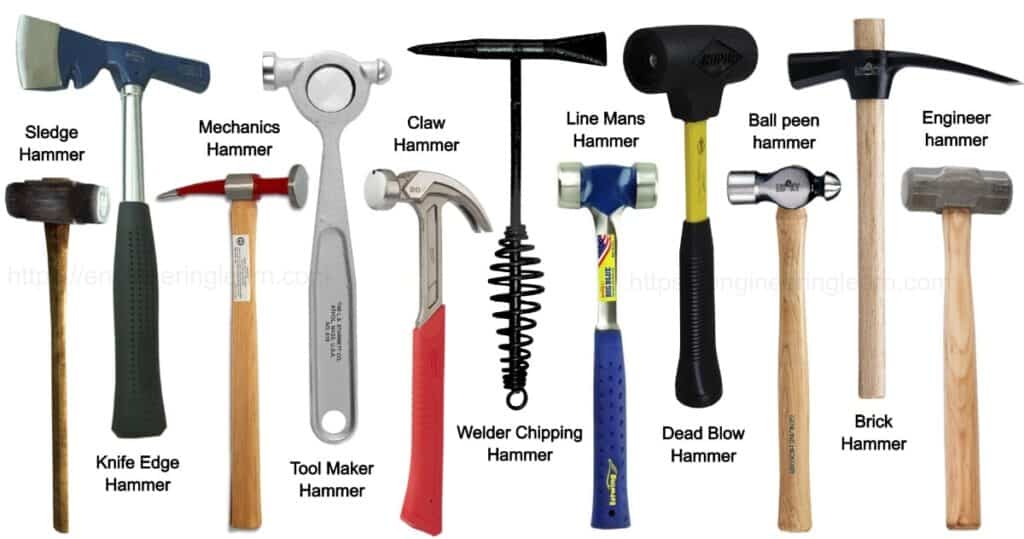
The claw hammer is the most common general-purpose hammer, but it is only one type. Each hammer is shaped for a different job.
Claw hammer
Use a claw hammer for nails, wood repairs, trim work, small projects, and general home maintenance.
This is the best default hammer for most households. A 16-ounce curved-claw model covers many basic tasks.
Framing hammer
A framing hammer is made for building wood frames. It often has a heavier head, a longer handle, and a textured face.
It can drive large nails quickly. It is less suited to delicate work because the face may mark wood and the extra weight can make control harder.
Ball-peen hammer
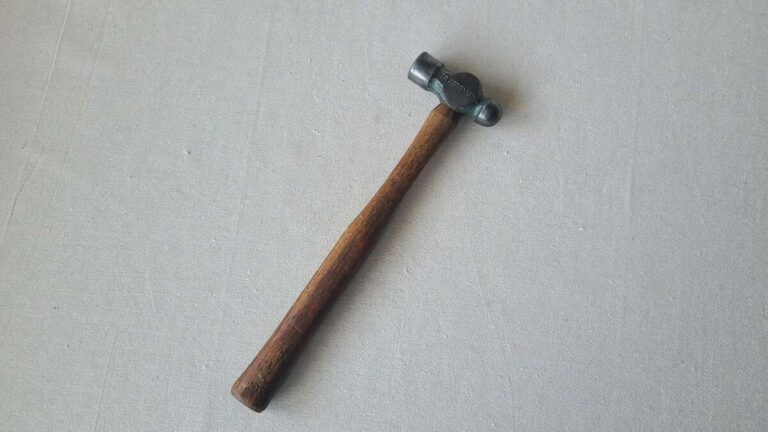
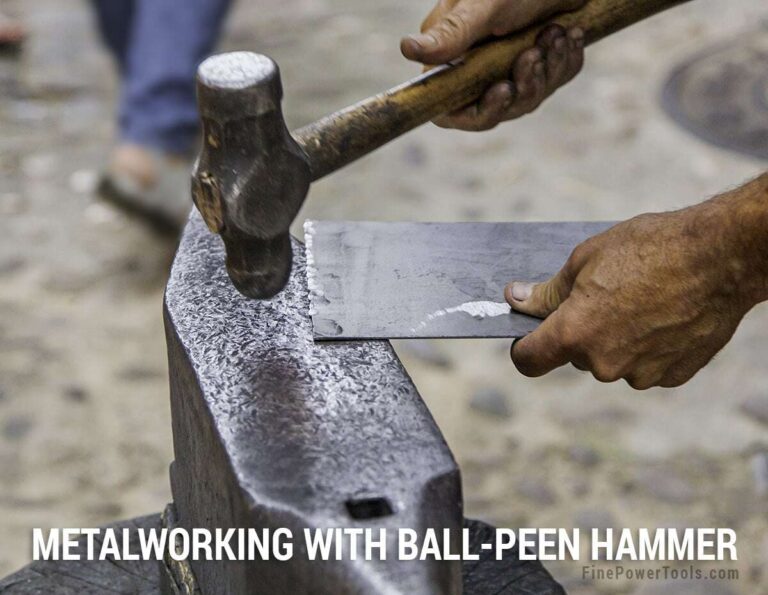
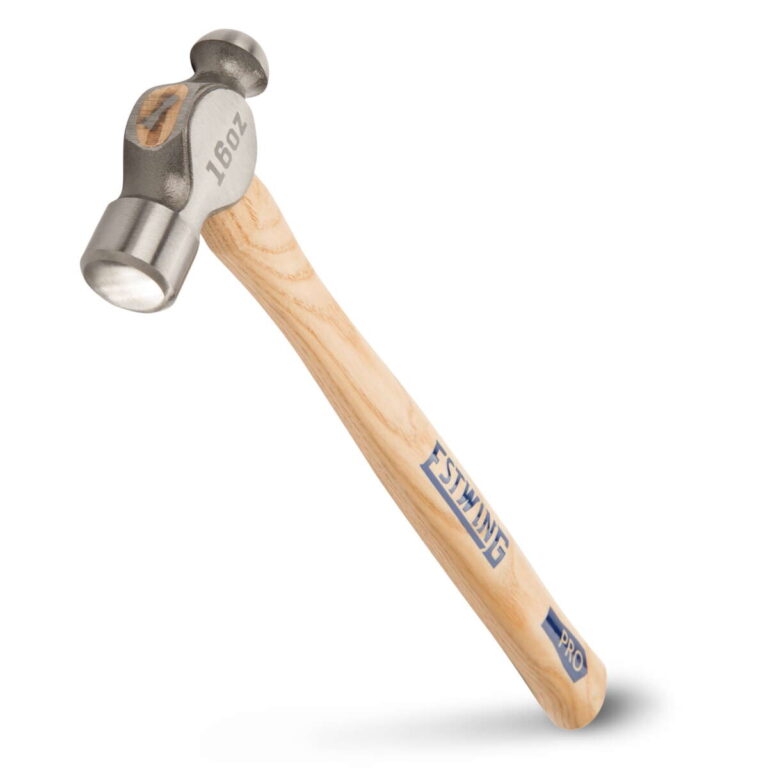
A ball-peen hammer has a rounded ball on one end. It is common in metalwork, machine repair, and blacksmithing.
The ball end can shape and spread metal. It is not a good substitute for a claw hammer because it has no nail-pulling claw.
Sledgehammer
A sledgehammer has a heavy head and a long handle. It is used for demolition, breaking masonry, driving stakes, and other high-force jobs.
A sledgehammer is too large for ordinary nail work. Use it only when the material and task call for substantial force.
Mallet
A mallet usually has a wood, rubber, or plastic head. It delivers a softer blow than a steel hammer.
Mallets are useful for assembling furniture, fitting parts, setting tiles, and working with materials that could be damaged by steel.
Tack or upholstery hammer
A tack hammer is small and light. It is designed for small tacks, upholstery work, crafts, and light fastening.
It is easier to control than a claw hammer but does not provide the same force.
Claw Hammer vs. Framing Hammer
Choose a claw hammer for general work. Choose a framing hammer when you regularly build wood frames or drive large nails.
The two tools look similar, but they serve different needs.
| Feature | Claw hammer | Framing hammer |
|---|---|---|
| Usual role | Home repair and general carpentry | Heavy wood construction |
| Typical weight | About 8 to 20 ounces | Often about 20 to 32 ounces |
| Face | Often smooth | Often textured |
| Control | Easier for light work | More force, less delicate |
| Best for | Trim, shelves, repairs, nail removal | Framing walls, floors, and roofs |
A framing hammer can do some jobs that a claw hammer can do. The reverse is also true. The difference is comfort and control.
Using a heavy framing hammer for small trim work may damage the material. Using a light claw hammer for repeated framing may take more swings and cause hand fatigue.
How to Choose the Right Common Hammer
Start with the job, then consider the material, nail size, and amount of force needed.
For basic home repairs
Choose a 16-ounce claw hammer with:
- A comfortable, non-slip grip
- A secure head
- A smooth or lightly finished face
- A curved claw
- A handle that feels balanced in your hand
This setup works well for hanging shelves, repairing wood trim, assembling simple projects, and pulling common nails.
For finish carpentry
Choose a lighter claw hammer, often in the 8- to 16-ounce range. A smooth face helps reduce marks on finished wood.
Use controlled swings. Do not rely on a heavy hammer to compensate for poor nail placement.
For framing
Choose a heavier framing hammer if you build wood structures often. The extra head weight can drive large framing nails with fewer blows.
Wear eye protection. A textured face can leave marks, and missed swings can damage the wood.
For metalwork
Choose a ball-peen hammer. Its rounded end is made for shaping and peening metal.
Do not use a claw hammer when the task requires controlled metal forming. The claw is not designed for that work.
For demolition
Choose a framing hammer, wrecking tool, or sledgehammer based on the material and force required. A claw hammer can remove trim and small nails, but it is not a safe replacement for a demolition tool in heavy work.

How to Use a Claw Hammer Safely
Use eye protection and keep your free hand away from the striking path. The most common injuries come from missed blows, flying chips, slipping nails, and damaged tools.
Follow these basic steps:
- Inspect the hammer. Do not use it if the head is loose, cracked, mushroomed, or damaged.
- Check the handle. Replace a split, badly worn, or loose handle.
- Wear safety glasses. This is especially important when removing nails or striking metal.
- Use the right hammer. Do not use a claw hammer for a job that needs a mallet or sledgehammer.
- Hold the nail safely. Start with your fingers near the lower part of the nail, then move your hand away after the nail begins to set.
- Use controlled swings. Let the hammer do the work. Do not swing harder than needed.
- Keep the work stable. Support the board or object on a firm surface.
- Pull nails with care. Place a scrap block under the claw when you need more leverage or want to protect the surface.
- Stop if the tool slips. Reposition the work rather than forcing the next strike.
The Occupational Safety and Health Administration advises workers to inspect hand tools and remove damaged tools from service. These principles also apply to home projects.
Never strike one hardened steel tool against another unless the tool maker specifically allows it. Metal fragments can break away at high speed.
Common Mistakes to Avoid
Many hammer problems come from using the wrong tool or striking with poor control.
Choosing too much weight
A heavier hammer is not always better. It can cause fatigue, dents, bent nails, and missed strikes.
For most household tasks, a 16-ounce claw hammer is a more useful choice than a very heavy framing hammer.
Using the claw as a pry bar
The claw can handle light prying, but repeated heavy prying may bend it or damage the handle. Use a pry bar for major demolition or stubborn boards.
Holding the nail too high
Holding a nail near the head puts your fingers close to the striking path. Hold the nail lower at first, then move your hand away as soon as the nail stands on its own.
Striking at an angle
A sideways blow can bend the nail or cause the hammer face to slip. Keep the striking face aligned with the nail head.
Ignoring the surface
A steel hammer can dent drywall, soft wood, trim, plastic, and finished surfaces. Place a wood block or use a mallet when the surface must stay clean.
Using a damaged hammer
A loose head can fly off. A cracked handle can fail during a swing. Do not keep using a hammer because it is familiar or convenient.

Is a 16-Ounce Claw Hammer Enough for Most People?
Yes. A 16-ounce claw hammer is enough for many home repairs, light carpentry jobs, and common nail work.
It may not be enough for large framing nails, demolition, masonry, or heavy metalwork. Those tasks call for a different hammer or another tool.
A good rule is simple:
- Choose a light claw hammer for control and delicate work.
- Choose a 16-ounce claw hammer for general use.
- Choose a framing hammer for repeated heavy wood construction.
- Choose a ball-peen hammer for shaping metal.
- Choose a mallet when you need a softer strike.
- Choose a sledgehammer for heavy demolition or high-force work.
The best hammer is the one that fits both the task and the user. A tool that feels too heavy is harder to control, even if it can deliver more force.
Frequently Asked Questions
What is the most common hammer size?
The 16-ounce claw hammer is one of the most common general-purpose sizes in the United States. It offers a practical balance of force and control for home repair and basic carpentry.
Is a curved claw or straight claw better?
A curved claw is better for pulling nails and general home repair. A straight claw is better for demolition, prying, and pulling apart wood. If you want one hammer for everyday use, a curved claw is usually the more useful choice.
What is the difference between a claw hammer and a regular hammer?
“Regular hammer” is a casual term, not a precise tool category. In many American homes, people use it to mean a claw hammer. A claw hammer has a striking face and a nail-pulling claw.
Can a claw hammer be used for framing?
Yes, but it may be slower and less comfortable for repeated framing work. A framing hammer has a heavier head and is designed for large nails and structural wood work.
How long does a claw hammer last?
A quality claw hammer can last for many years if it is stored dry, kept clean, and used for the right jobs. Replace it sooner if the head is loose, the claw is bent, the face is badly damaged, or the handle is cracked.
Key Takeaways
- The claw hammer is the most common general-purpose hammer in the United States.
- A 16-ounce curved-claw hammer is a strong choice for most home repairs.
- Use a framing hammer for repeated heavy wood construction.
- Use a ball-peen hammer for metalwork and a mallet for softer strikes.
- Inspect the hammer before use and wear safety glasses.
- Do not use a claw hammer as a heavy pry bar or as a substitute for a specialized tool.
Conclusion
If you need one hammer for an American home toolbox, choose a 16-ounce claw hammer with a curved claw. It can drive nails, pull nails, handle small wood repairs, and support many basic projects.
Choose a different hammer when the job demands it. The right weight, face, claw, and handle will give you better control and reduce the risk of damage or injury.
Recent Tool Guides
 Hammer
How To Hammer Flowers Onto Paper: Easy Guide
Learn how to hammer flowers onto paper with simple steps, helpful tips, and beautiful results for...
Read Guide → Wrench
How To Use A Hex Wrench: Easy Step-By-Step Guide
Learn how to use a hex wrench correctly with simple steps, helpful tips, and common mistakes...
Read Guide → Hacksaw
How To Cut Curtain Pole With Hacksaw: Easy Guide
Learn how to cut curtain pole with hacksaw safely and neatly. Follow simple steps for accurate...
Read Guide → Wrench
How To Use A Husky Torque Wrench: Easy Guide
Learn how to use a Husky torque wrench correctly with simple steps, torque settings, and safety...
Read Guide → Hammer
How To Hold A Hammer: Safe Grip Guide
Learn how to hold a hammer with the right grip, stance, and technique for safer, more...
Read Guide → Hacksaw
How To Cut Flexible Metal Conduit With Hacksaw: Easy Guide
Learn how to cut flexible metal conduit with hacksaw safely and cleanly. Follow simple steps for...
Read Guide →