

Most professional hand tools come with a limited or lifetime manufacturer warranty against defects.
I’ve spent years buying, testing, and repairing tools for job sites and home shops. I know the common warranty types and the fine print. This guide explains clearly what type of warranty comes with many professional hand tools, how to use it, what is and isn’t covered, and real tips to protect your investment. Read on to make smarter tool buys and avoid common warranty pitfalls.
Understanding warranty types for professional hand tools
Manufacturers use a few standard warranty types. The most common is a lifetime warranty that covers defects in materials and workmanship. Some brands use the term limited lifetime warranty. Others offer fixed-length warranties, like one, three, or five years. A few tools have only a satisfaction guarantee or no formal warranty at all.
When you ask what type of warranty comes with many professional hand tools, think lifetime or limited lifetime first. Small hand tools like wrenches, pliers, and ratchets often carry the strongest coverage. Power tools and accessories more often have limited or time-bound warranties. Read the label before you buy to avoid surprises.
What warranties typically cover
Warranty terms vary, but coverage usually includes:
- Defects in materials and workmanship. Makers repair or replace tools that fail due to faulty parts or assembly.
- Breakage under normal use. If a tool snaps during normal tasks, it is often covered.
- Replacement of parts. Some warranties allow parts replacement rather than a whole-tool swap.
- Repair labor. Certain warranties include labor for repair at authorized centers.
- Limited transferable coverage. Some warranties are transferable if the tool changes hands, but many are not.
Knowing what type of warranty comes with many professional hand tools helps you set the right expectations. Most warranties do not promise unlimited use without wear; they protect against hidden faults and early failures.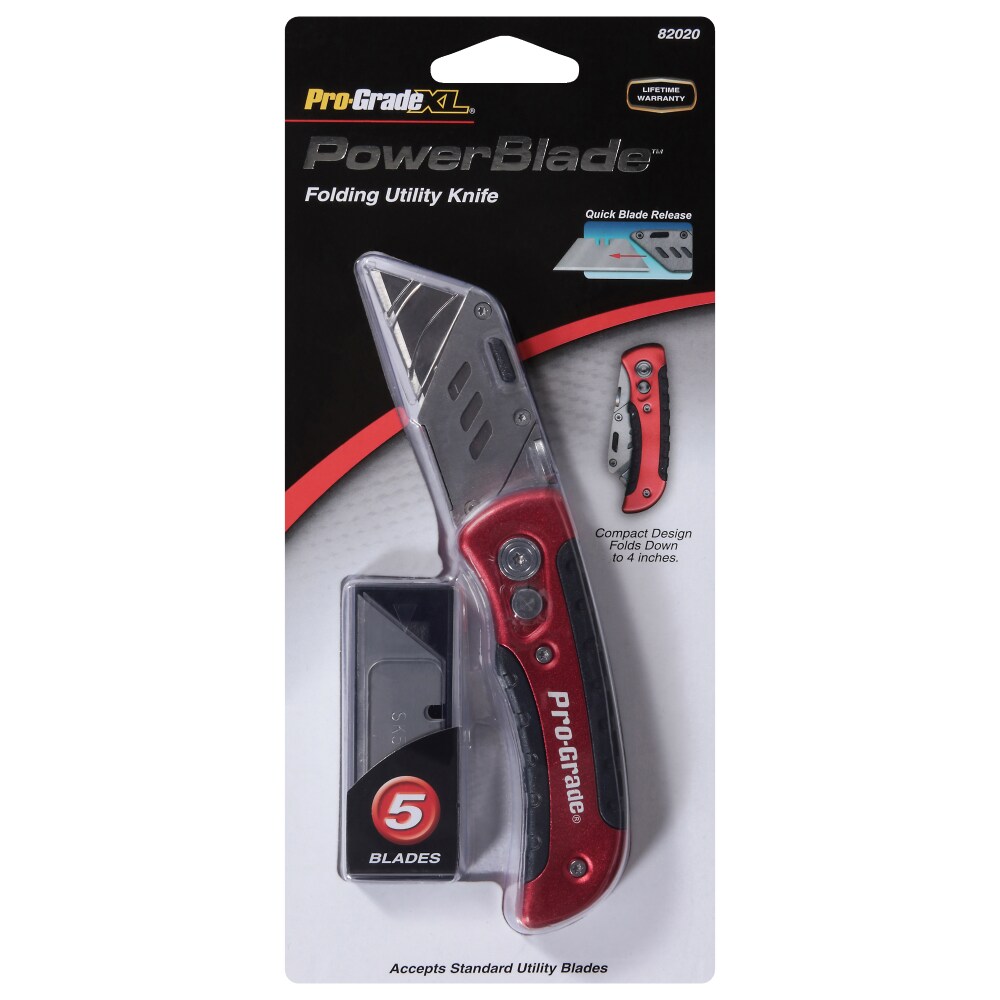
Common exclusions and limitations
Warranties have clear limits. Typical exclusions include:
- Normal wear and tear. Items like cutting edges, grips, and finishes wear out and are not covered.
- Misuse or abuse. Using tools for tasks they aren’t designed for voids coverage.
- Corrosion and rust. Many warranties exclude damage caused by neglect or moisture.
- Consumables. Bits, blades, batteries, and bags are often excluded.
- Unauthorized repairs. Fixes by third parties usually void the warranty.
- Proof of purchase required. Most companies require a receipt or registration to honor a claim.
When considering what type of warranty comes with many professional hand tools, always read the exclusions. A lifetime warranty is great. But it is not a free pass for rough treatment.
How to make a warranty claim and tips to protect coverage
Follow these steps to make a claim:
- Keep your receipt. Save proof of purchase or register the tool online as soon as possible.
- Read the warranty policy. Note time limits, required documentation, and authorized service centers.
- Contact customer service. Start with the manufacturer; they will advise next steps.
- Ship or bring the tool as instructed. Include serial numbers and photos of damage.
- Ask about replacements or repairs. Clarify turnaround time and responsibilities for shipping costs.
Simple habits protect your warranty. Register tools when available. Store them dry. Avoid modifying them. These steps keep your warranty valid and speed claims when issues arise.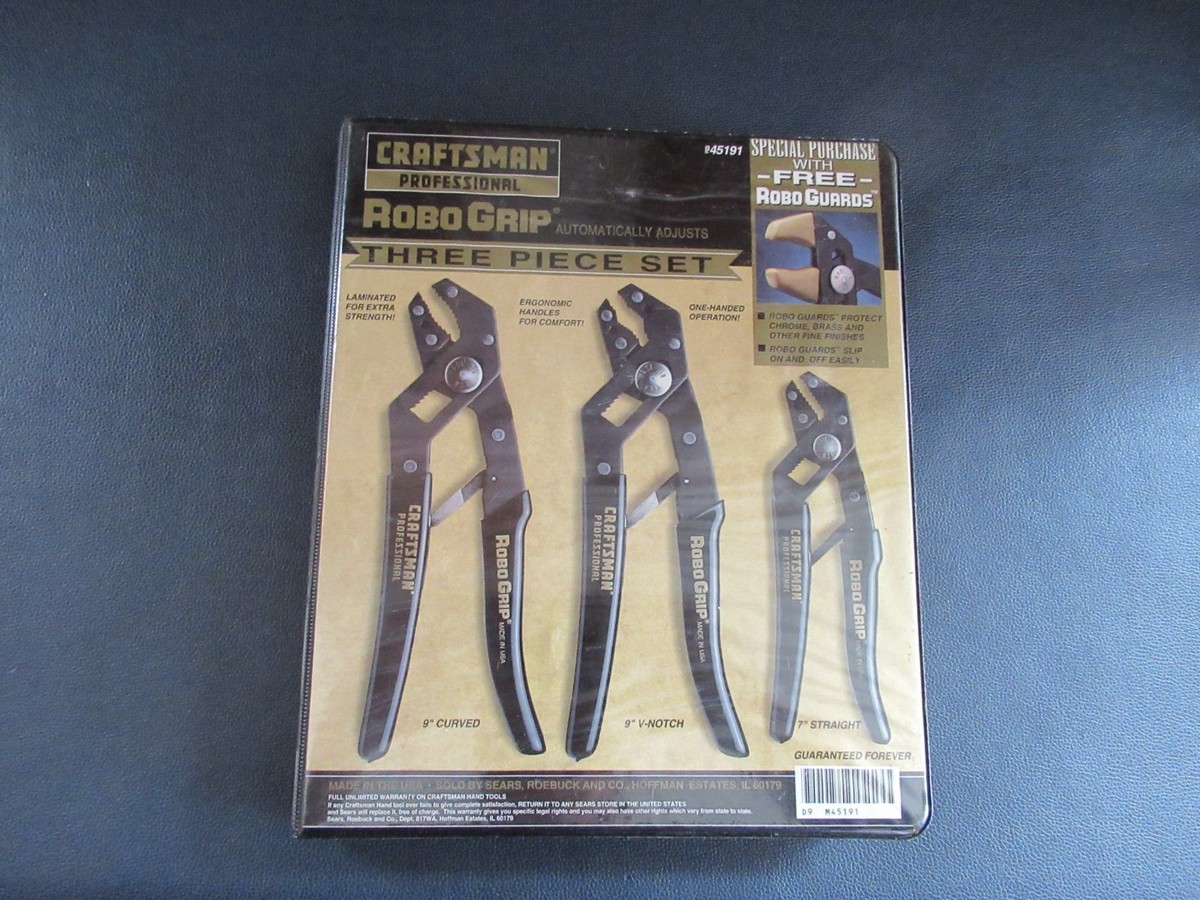
My experience: lessons from using warranties on professional hand tools
I once bought a high-end ratchet that failed after heavy use in a tight spot. The maker honored the lifetime warranty and replaced the tool in under two weeks. The catch: I had registered the tool and kept the receipt. That saved me hassle.
Lessons learned:
- Always register the tool when offered.
- Keep receipts and photos of serial numbers.
- Don’t try to jury-rig repairs; get an authorized fix.
- Read the fine print so you know what to expect.
If you wonder what type of warranty comes with many professional hand tools, remember that good practices matter as much as the small print. A warranty only helps if you can prove ownership and follow procedures.
Quick PAA-style questions
Do most pliers and wrenches have a lifetime warranty?
Yes. Many pliers and wrenches come with a lifetime or limited lifetime warranty against defects. The warranty often excludes normal wear on grips and cutting edges.
Are power tool warranties the same as hand tool warranties?
No. Power tools usually have shorter, fixed-term warranties like one to five years. Hand tools more often have lifetime coverage for defects.
Can I transfer a tool warranty if I sell the tool?
Sometimes. Some warranties are transferable, but many require original purchaser details. Always check the policy for transfer rules.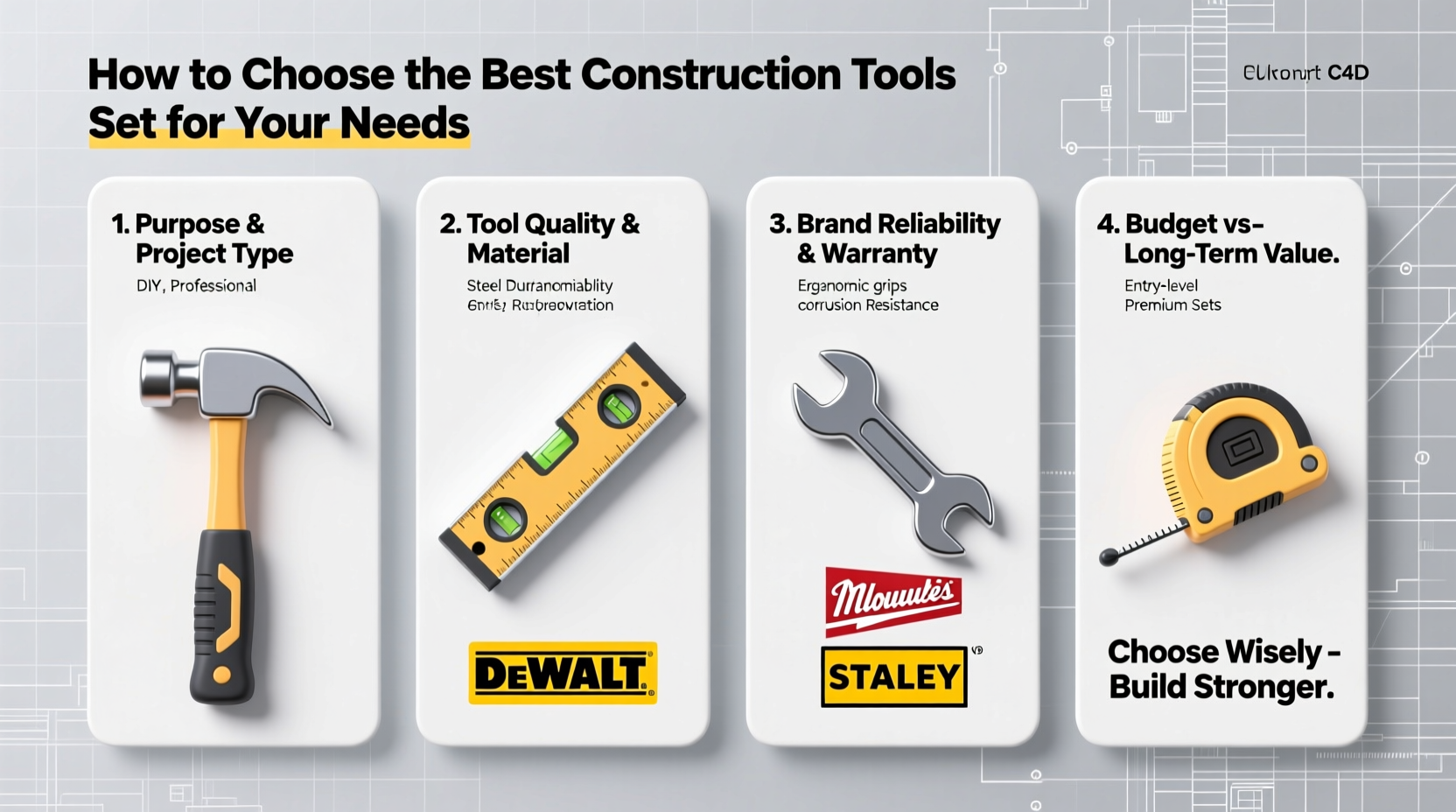
Frequently Asked Questions of what type of warranty comes with many professional hand tools
What does "limited lifetime warranty" actually mean?
A limited lifetime warranty usually covers defects in materials and workmanship for the tool's usable life. It often excludes wear, misuse, and consumables.
Are lifetime warranties truly for life?
Not always. "Lifetime" often means the practical life of the tool, not the user’s lifespan. Terms vary, so read the policy to know specifics.
Do I need to register my tool to use the warranty?
Registration helps but is not always required. Many manufacturers require proof of purchase instead. Registration can speed up claims.
Will rust or corrosion be covered under a lifetime warranty?
Most warranties exclude corrosion and rust caused by neglect or exposure to moisture. Proper maintenance is usually required to keep coverage.
How long does a typical warranty claim take?
It depends. Simple claims can be resolved in days. Repairs or replacements can take weeks, depending on parts, shipping, and service center capacity.
Can I repair a tool myself and still keep the warranty?
No. Unauthorized repairs often void warranties. Use authorized service centers to maintain coverage.
Will warranty replace consumable parts like blades?
Generally no. Consumables such as blades, bits, and batteries are usually excluded from warranty coverage.
What proof do I need to file a claim?
Commonly, you need a receipt, serial number, photos, and tool registration if available. Keep records to speed up the process.
Is shipping usually covered for warranty repairs?
Shipping costs vary. Some manufacturers cover shipping for warranty replacements; others require the customer to pay. Check the policy first.
Can a retailer extend the manufacturer's warranty?
Yes. Retailers may offer extended warranties or protection plans. These are separate from the manufacturer’s warranty and have their own terms.
Conclusion
Warranty terms for professional hand tools vary, but many tools come with a lifetime or limited lifetime warranty against defects. Read terms closely. Register tools, keep receipts, and follow care instructions to keep coverage valid. Use authorized service centers and avoid DIY fixes that void warranties.
Takeaway: buy smart, document purchases, and treat warranties as part of tool value. If you found this useful, try registering your tools now, check the fine print on your next purchase, or leave a comment with your warranty questions.