
Handsaw, chisel, claw hammer, and hand plane are four essential hand tools specific to carpentry.
I’ve spent years building cabinets, fixing trim, and teaching apprentices. If you’re asking what are four hand tools specific to carpentry, this guide lays out each tool’s purpose, types, care, and how to pick the right one. I’ll share real tips from the shop, common mistakes I’ve made, and clear guidance so you can work safer and smarter. Read on to master these core tools and improve your craft fast.
Why these four hand tools matter
Carpentry is built on a few reliable tools. Knowing what are four hand tools specific to carpentry gives you a strong start. These tools let you measure, cut, shape, and join wood without power. They teach skill and feel. They also work when the power is out or the job needs finesse.
Understanding these four tools helps you pick the right gear for projects. It reduces waste, improves fit, and makes joints strong. If you want to learn what are four hand tools specific to carpentry, you’ll find clear descriptions and practical tips below.
Handsaw: clean cuts by hand
A handsaw is the woodworker’s basic cutting tool. It removes material quickly. Types include crosscut, rip, and dovetail saws. Each tooth pattern cuts differently. A rip saw cuts along the grain. A crosscut saw slices across grain for cleaner ends.
Why a handsaw matters
- It’s portable and needs no power.
- You get control for small or finish cuts.
- It’s quiet and precise for indoor work.
Tips from experience
- Keep saw teeth sharp and the blade straight. I ruined a trim piece by forcing a dull saw.
- Use a miter box for repeatable angles. It saves time and gives clean edges.
Common PAA question: How do I choose the right handsaw?
Pick a saw by the cut you need. Choose crosscut for end grain, rip for along the grain, and a fine-toothed saw for trim work.
Chisel: shaping and cleaning joints
A chisel cuts, paring wood, and cleans mortises. Chisels come in sizes from small (1/8 inch) to large (2 inches). A sharp edge and a solid handle are key. Types include bench chisels, mortise chisels, and paring chisels.
Uses and benefits
- Trim tenons and clean glue lines.
- Pare thin shavings for a tight fit.
- Remove waste from joints cleanly.
Safety and maintenance
- Keep the bevel sharp with a whetstone or honing guide.
- Use a mallet for controlled strikes on a mortise chisel.
- Never use a damaged handle; it can split and cause injury.
Personal lesson: I once left a chisel dull and damaged a dovetail. Sharpen often. Short sharpening sessions beat long repair jobs.
Claw hammer: driving and removing nails
The claw hammer is the common carpentry hammer. It drives nails and extracts them with the claw. Sizes vary; a 16-ounce hammer is common for finish carpentry. Framing hammers are heavier and have a longer handle for leverage.
Key uses
- Drive common and finish nails.
- Pull nails with the claw or set them with a nail set for a clean finish.
Tips for better use
- Grip near the end of the handle for more power.
- Use a nail set to sink heads below the wood surface for neat work.
- Inspect the head-to-handle joint to avoid failures.
Why it’s on the list: If you wonder what are four hand tools specific to carpentry, the hammer is the impact tool you’ll use most.
Hand plane: flattening, smoothing, and trimming
A hand plane levels and smooths boards. Types include block plane, bench plane, and jointer plane. A sharp iron and correct mouth gap give the best results. Planes can remove thin shavings to fine-tune fit.
Common uses
- Flatten a board face.
- Trim door edges for proper fit.
- Create chamfers or decorative edges.
Practical advice
- Set the blade shallow for fine work. Deep cuts tear the grain.
- Tune the sole and keep the blade sharp. A well-tuned plane outperforms many power tools for finish work.
Personal tip: I restored an old plane and it produced the cleanest surface I’ve seen. A tidy plane feels like an extension of your hand.
Choosing, caring for, and pairing the four tools
Buying tips
- Invest in quality cutting edges. Sharp tools save time.
- For handsaws, pick tooth count to match the work. Fine teeth for trim, coarse for rough cuts.
- Choose a chisel set with full-tang or strong handles.
- Test hammers and planes in hand before buying.
Maintenance basics
- Keep steel tools dry and oiled to prevent rust.
- Hone chisels and plane irons often. A strop or stone is worth it.
- Store saws hanging with a blade guard. Keep teeth safe.
Pairing tools with projects
- Use a handsaw and plane for rough stock to final fit.
- Use chisel and hammer to cut and clean joints.
- Combine tools for efficiency: saw to cut, chisel to refine, plane to smooth, hammer to join.
Limitations to know
- These tools take time to master. Expect a learning curve.
- They are slow for large-scale production compared to power tools.
- Some cuts are safer and faster with powered alternatives.
Real-world example: I built a small bookshelf using only these four tools plus clamps and a square. The fit was tight and the finish smooth. It taught me to value hand skill over speed.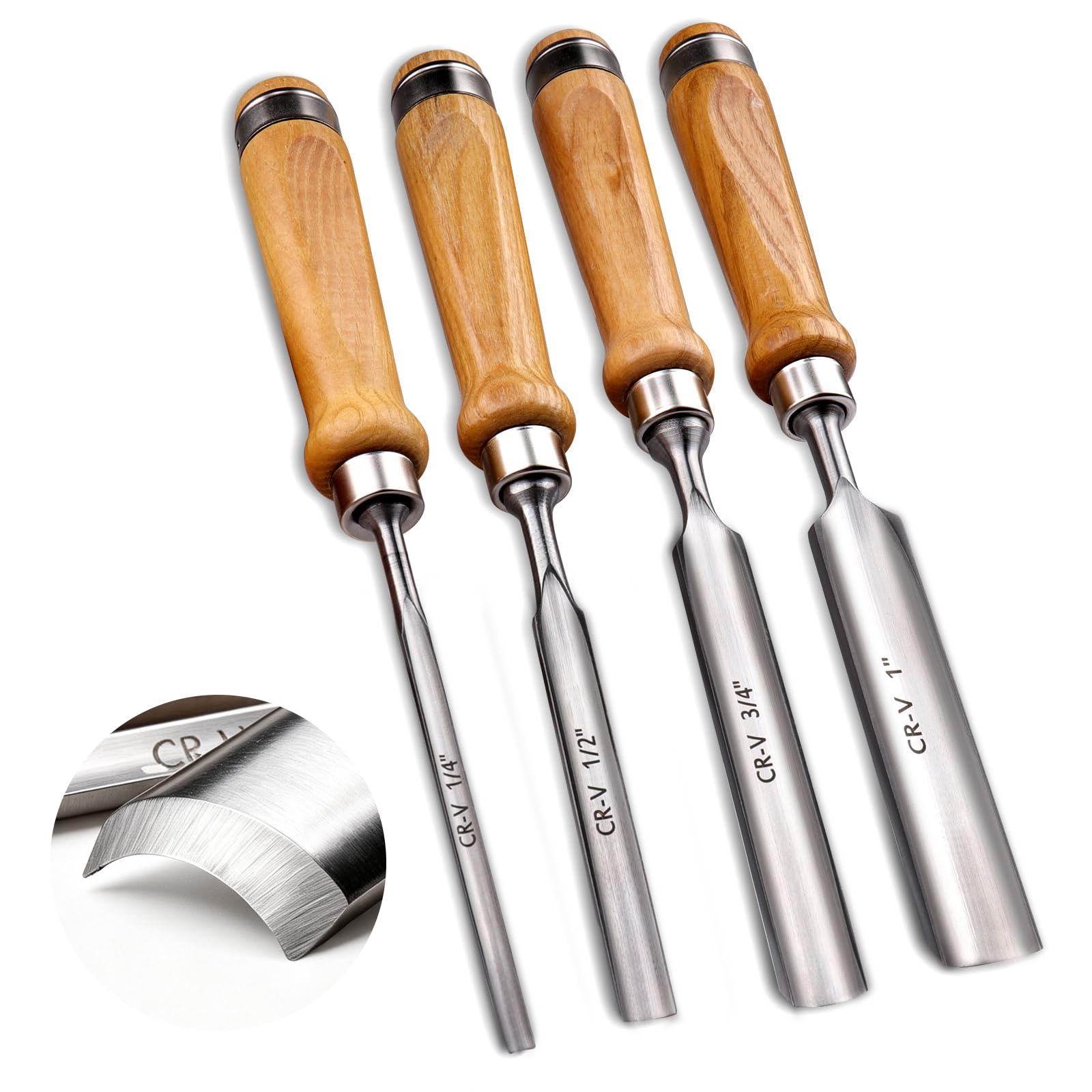
Frequently Asked Questions of what are four hand tools specific to carpentry
What are four hand tools specific to carpentry for beginners?
Handsaw, chisel, claw hammer, and hand plane are ideal. They cover cutting, shaping, joining, and finishing tasks.
Do I need a power tool if I have these four hand tools?
You can complete many jobs with just these tools, but power tools speed up large projects. Hand tools give control and better finish in many cases.
How often should I sharpen chisels and plane irons?
Sharpen them before they feel dull. Frequent light sharpening keeps edges keen and reduces effort during work.
Can one handsaw handle all cutting tasks?
No. Different saw tooth patterns suit different cuts. Use crosscut for across grain and rip for with the grain to get clean results.
Are these tools expensive for hobbyists?
You can find good starter tools at reasonable prices. Investing in quality for cutting edges and handles pays off over time.
Conclusion
These four tools—handsaw, chisel, claw hammer, and hand plane—form the backbone of carpentry skills. They let you cut, shape, join, and finish wood with control and precision. Start with one tool at a time, practice safe sharpening and handling, and gradually build your set and skill. Try a small project using only these tools to feel progress and confidence. Share your results or questions below, and consider subscribing for more hands-on carpentry tips.