

Set blade height, hold firmly, and sweep in steady strokes to cut weeds cleanly.
I’ve spent years trimming lawns, borders, and overgrown patches with hand tools. In this guide I’ll walk you through how to use weed cutter hand tool safely, efficiently, and with pro tips I learned the hard way. You’ll get clear steps, safety checks, maintenance advice, and quick fixes so using a weed cutter hand tool becomes simple and reliable.

Understanding the weed cutter hand tool
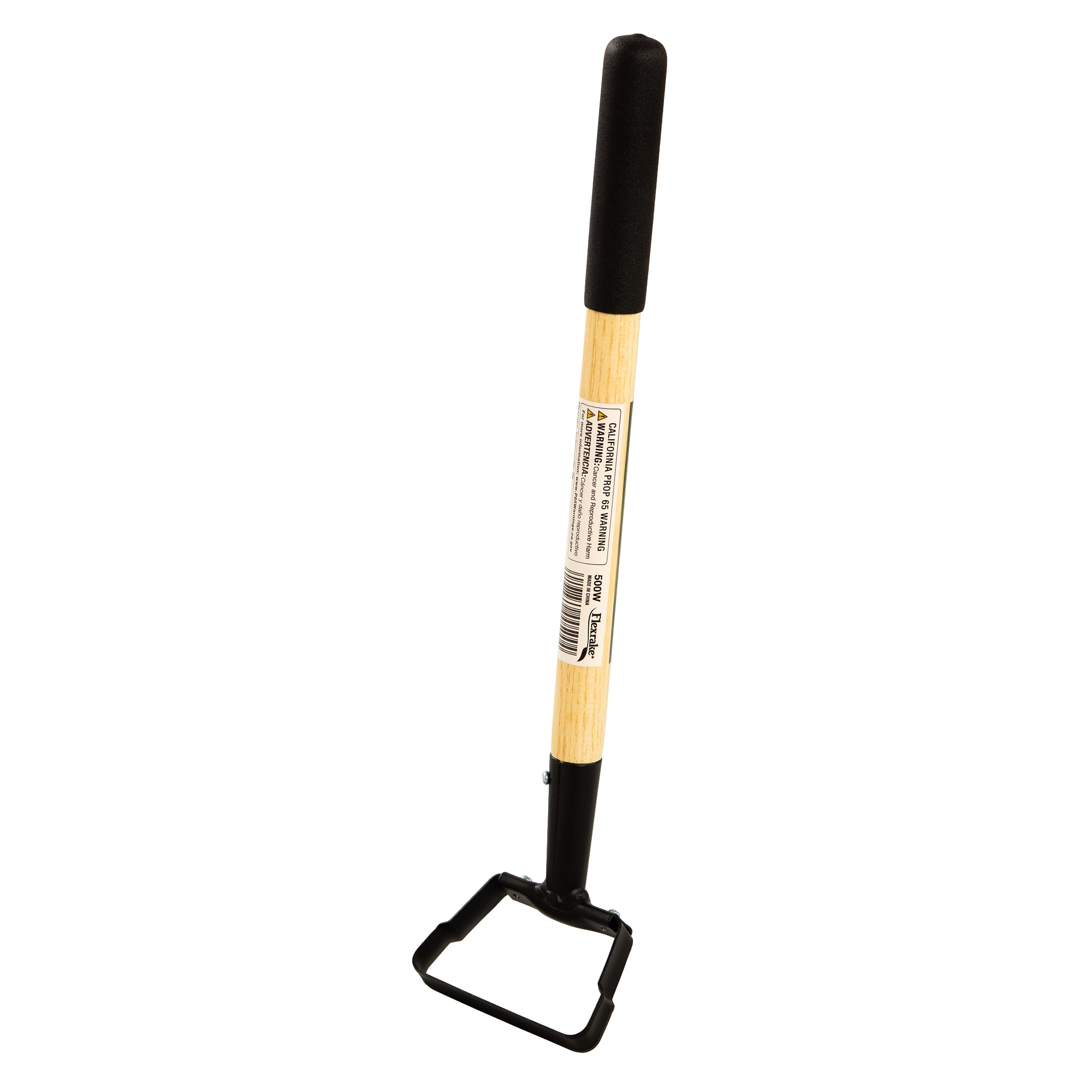
A weed cutter hand tool is any manual device made to cut, slice, or pull weeds. Tools range from simple hand shears to hooked sickles and stand-up manual cutters. Each one gives control and precision that powered trimmers can’t match. Knowing the tool’s parts — handle, blade, guard, and pivot — helps you use it right.
Using the term how to use weed cutter hand tool throughout this guide will help you spot exact steps and tips for each kind of tool.

Types of weed cutter hand tools
- Hand shears — Good for edging and trimming around plants. They cut short stems and grass with scissor-like action.
- Sickle or curved blade cutters — Best for dense, tall weeds and grasses. The curve pulls plants into the blade.
- Hori hori knife — A blade with a sharpened edge and serrated side for digging and slicing roots.
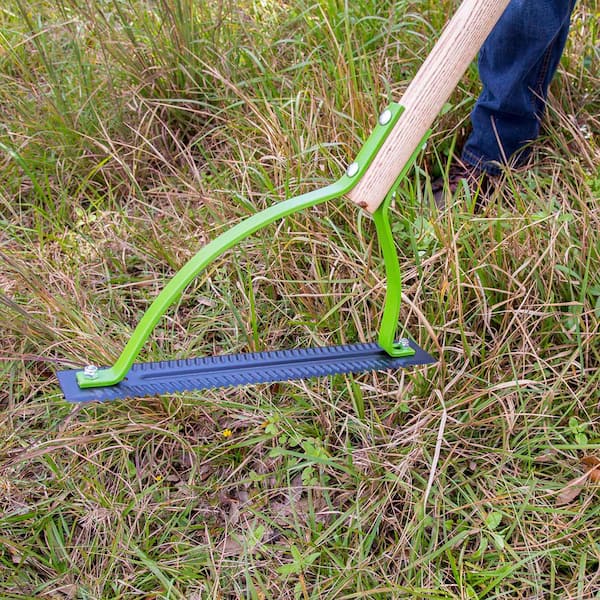
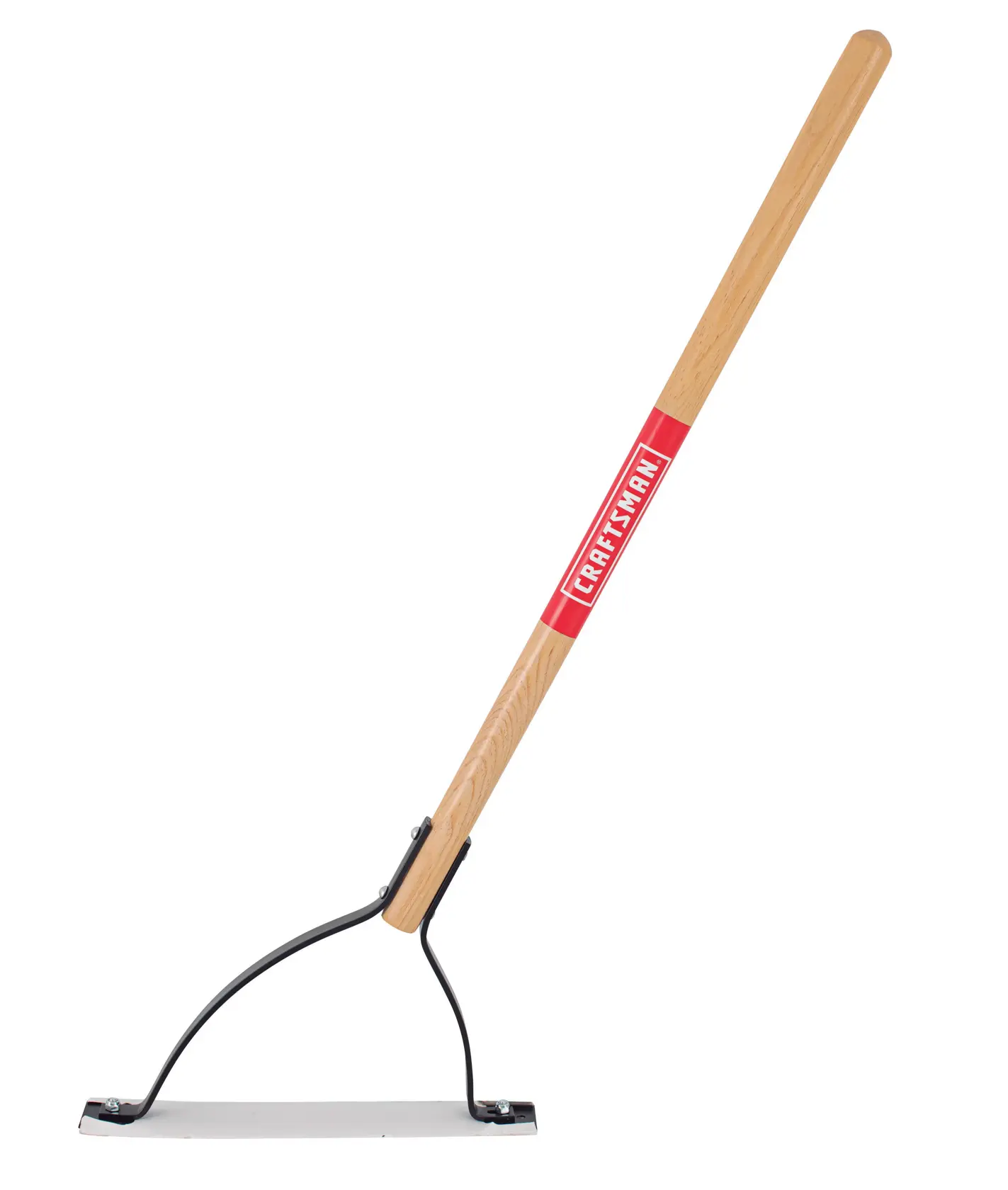
- Stand-up manual weed cutter — Lets you cut while standing; ideal for large patches without bending.
- Weed puller / dandelion remover — Not a cutter, but useful to remove roots after cutting.
Pick a tool that fits the job. For tight beds use shears. For tall growth choose a scythe or sickle. Practicing with each helps you learn precise motions for best results on how to use weed cutter hand tool.

Essential safety gear and prep
- Gloves — Protect hands from blisters and sharp stems.
- Eye protection — Shields eyes from flying debris.
- Sturdy shoes — Prevent slips and shield feet from dropped tools.
- Long pants — Cut down on scratches and skin contact with sap.
Always inspect the blade for nicks and the handle for cracks. Sharpen dull blades before work. Clear stones and hard debris from the area to avoid blade damage. Preparing your site and gear makes learning how to use weed cutter hand tool safer and faster.
Step-by-step: how to use weed cutter hand tool
- Check and sharpen the blade. A sharp blade cuts clean and lowers effort.
- Adjust the tool for comfort. Set handles or blade angle to match your posture.
- Position the blade at the base of the weed or along the stem. Aim close to the soil for full removal.
- Use a steady sweeping or slicing motion. Let the blade do the work; don’t force it.
- For thick stems, use short, decisive cuts rather than long pushes.
- Remove cut material and inspect the base for roots. Pull or dig roots if needed.
- Clean the blade and store the tool in a dry place when done.
Practical pace: work in 10–15 minute bursts to avoid fatigue. These steps show how to use weed cutter hand tool for clean results and less back strain.

How close to the soil should I cut?
Cut as close to the soil as practical without gouging the ground. Cutting at the base removes growth and reduces regrowth.
Will I need to dig out roots after cutting?
Sometimes. For tap-rooted weeds you’ll need to pull or dig the root to prevent return. For shallow-rooted weeds, close cutting often suffices.
Common mistakes and how to avoid them
- Cutting with a dull blade — Leads to ragged cuts and more regrowth. Sharpen often.
- Using the wrong tool — Shears for thick grass fail. Match the tool to the weed type.
- Poor posture — Bending or twisting can hurt your back. Use long-handled cutters or switch positions often.
- Skipping safety checks — Loose screws or cracked handles can cause injury. Inspect tools before each use.
Learning how to use weed cutter hand tool includes avoiding these errors. Small habits save time and keep you safe.
Maintenance and storage
- Clean blades after each use with a damp cloth to remove sap and soil.
- Wipe blades with oil to prevent rust. A light machine oil works well.
- Sharpen blades regularly with a file or sharpening stone. Follow the original bevel angle.
- Tighten screws and bolts each season. Replace worn handles or blades promptly.
- Store in a dry, well-ventilated space hung up or in a toolbox.
Good maintenance extends tool life and makes the next job easier when you need to use a weed cutter hand tool.

Benefits and limitations of using a weed cutter hand tool
Benefits
- Quiet and eco-friendly — no gas or batteries.
- Precise — ideal for tight spaces and around fragile plants.
- Low cost — manual tools are inexpensive and simple.
Limitations
- Slower for large areas — labor intensive compared with powered trimmers.
- Physical demand — requires bending or upper-body strength.
- Root regrowth — some weeds need digging after cutting.
Understanding these trade-offs helps you pick when and where to use a weed cutter hand tool.

Practical tips and tricks from experience
- Work after rain or light watering. Soil softens and roots pull easier.
- Use short strokes for tough stems and long sweeping cuts for soft grass.
- Mark problem weeds with stakes so you can return and remove roots later.
- Keep a small sharpening stone in your kit for quick touch-ups in the field.
I’ve learned these tips by fixing bent blades and sore shoulders. They save time and frustration and make using a weed cutter hand tool feel smoother.
Frequently Asked Questions of how to use weed cutter hand tool
How often should I sharpen my weed cutter hand tool?
Sharpen blades every few uses if you cut dense or gritty material. For light trimming, sharpen monthly during the season.
Can a weed cutter hand tool remove roots?
Some weeds will regrow unless roots are removed. Use a digger or puller alongside the cutter to extract roots.
Is a hand weed cutter better than a gas trimmer?
Hand cutters offer precision and are quieter. Gas trimmers are faster for big lawns, but hand tools are better near plants and in small spots.
How do I store my weed cutter hand tool for winter?
Clean and oil the blade, tighten all fittings, and hang the tool in a dry place away from moisture and rodents.
Are hand cutters safe for beginners?
Yes, when you follow safety gear and simple steps. Start slowly and practice posture to avoid strain.
Conclusion
You now have a clear, practical path for how to use weed cutter hand tool: pick the right type, prepare safely, follow the step-by-step cuts, and maintain the tool for long life. Start small, keep sessions short, and sharpen often to get the best results. Try the tips here in your next gardening session and share your results or questions below — I’d love to hear what worked for you.