
In the United States, an axe with a blade on one side and a hammer face on the other is usually called a hammer axe, axe hammer, or hammer-poll axe. A small version may also be sold as a tomahawk, especially when made for camping, utility work, or outdoor carry.
The best name depends on the tool’s shape and purpose:
- Hammer axe or axe hammer: A general name for an axe combined with a hammer.
- Hammer-poll axe: A more technical name for an axe with a hammering face on the back.
- Tomahawk: A light, compact hand axe. Some modern tomahawks have a hammer poll.
- Splitting maul: A heavy tool with a splitting wedge and striking face, designed mainly for splitting firewood.
The terms are related, but they are not exact synonyms. The key difference is the blade, the hammer face, and the job the tool is designed to do.
What Is the Correct Name for an Axe With a Hammer?
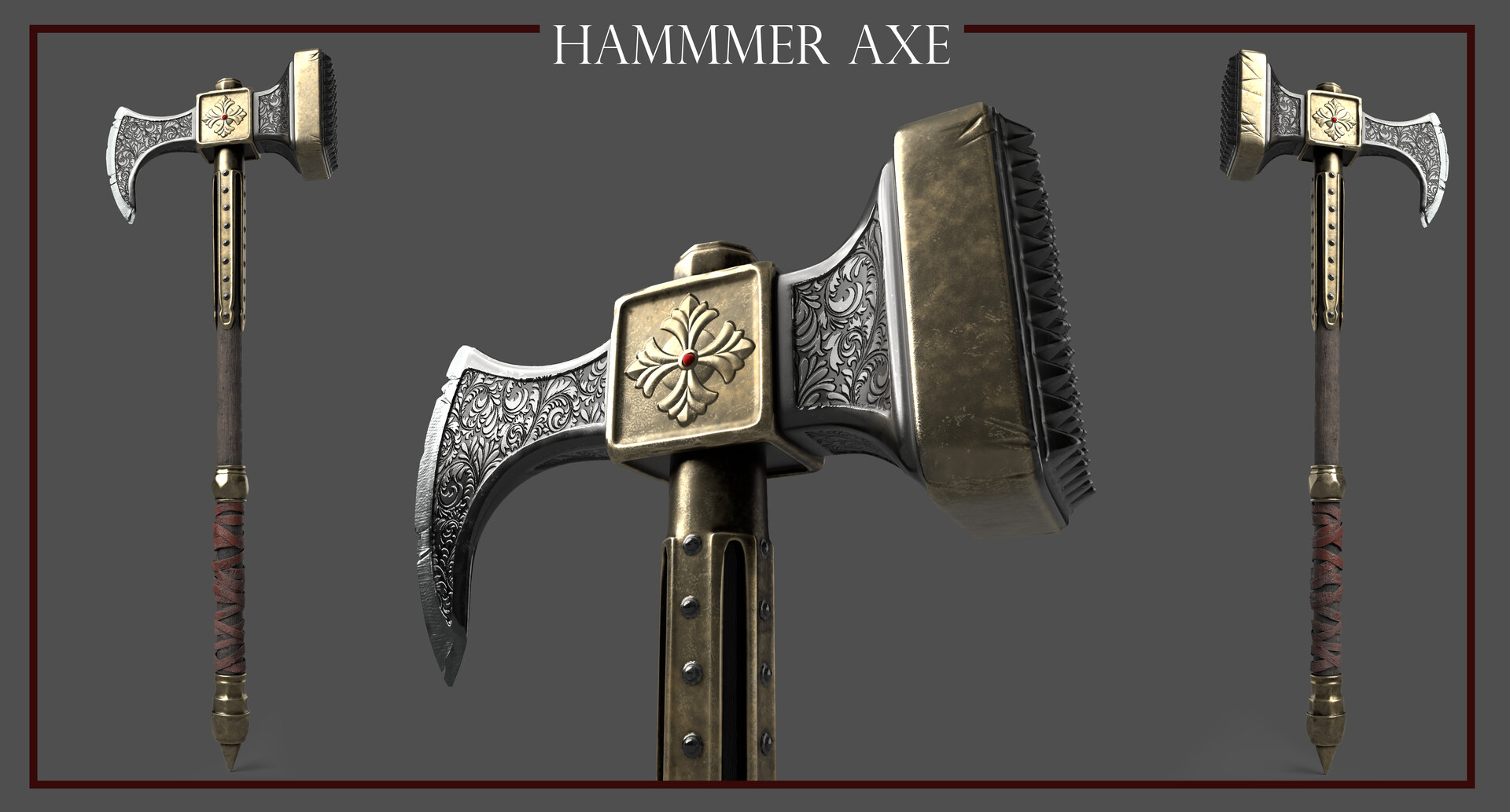
The most precise general term is hammer-poll axe. The “poll” is the rear section of an axe head. When that section is shaped as a flat striking face, it becomes a hammer poll.
You may also see these names in U.S. stores and tool catalogs:
- Axe hammer
- Hammer axe
- Camp axe with hammer
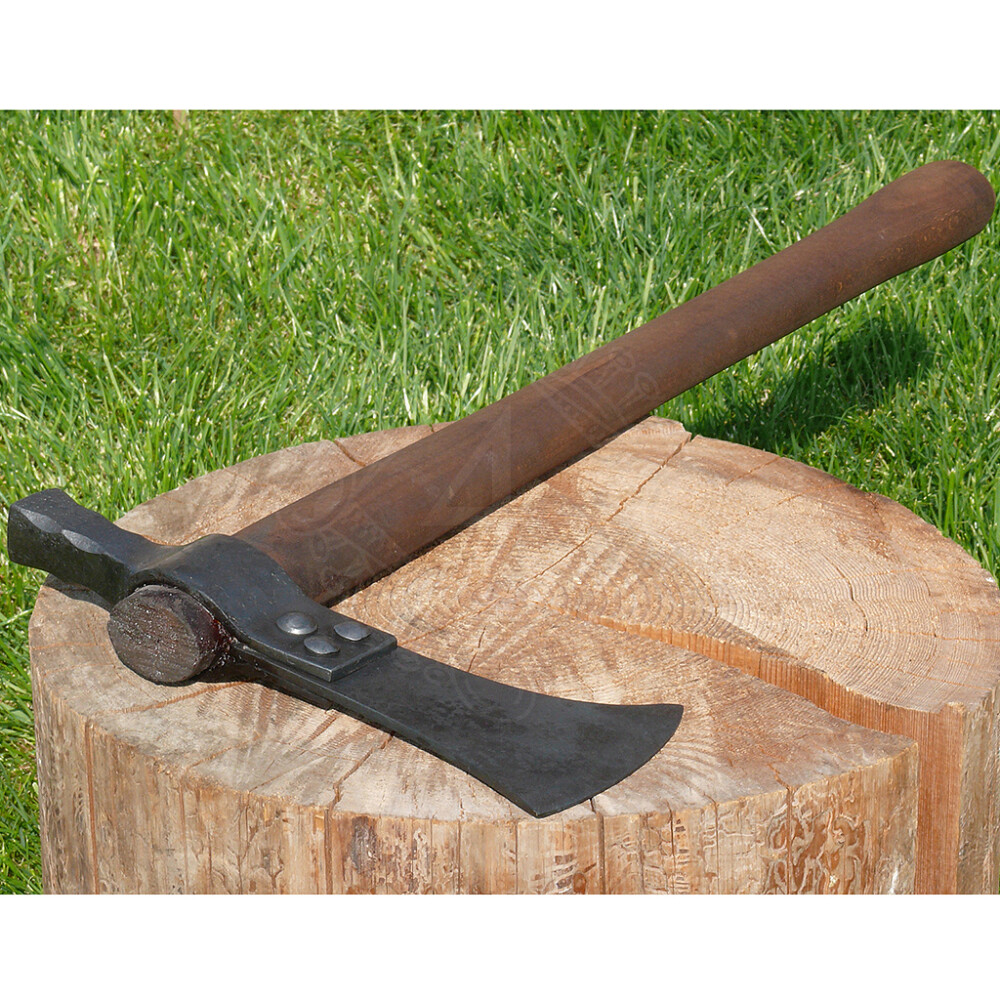
- Hatchet with hammer poll
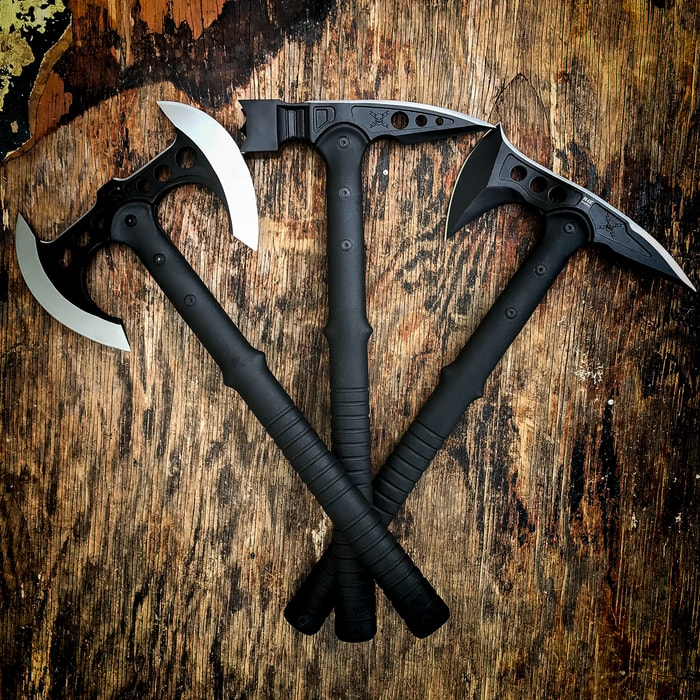
- Tactical tomahawk
- Carpenter’s hatchet with hammer face
There is no single universal name for every tool that combines an axe and a hammer. Tool makers often use names based on size, design, and intended use.
A hatchet with a hammer poll is small enough for one-hand use. A full-size hammer-poll axe has a longer handle and a larger cutting edge. A heavy splitting maul may look similar, but its edge is often thicker and more wedge-shaped.
Why the term “poll” matters
On a traditional axe, the poll is the part behind the eye, where the handle passes through the head. The poll may be:
- Flat and smooth
- Rounded
- Narrow
- Designed as a hammer face
- Shaped as another cutting edge
A hammer poll is made for striking nails, stakes, wedges, or other objects. It is not the same as the back of every axe. A thin or damaged axe poll should not be used as a hammer.
Is a Hammer Axe the Same as a Tomahawk?
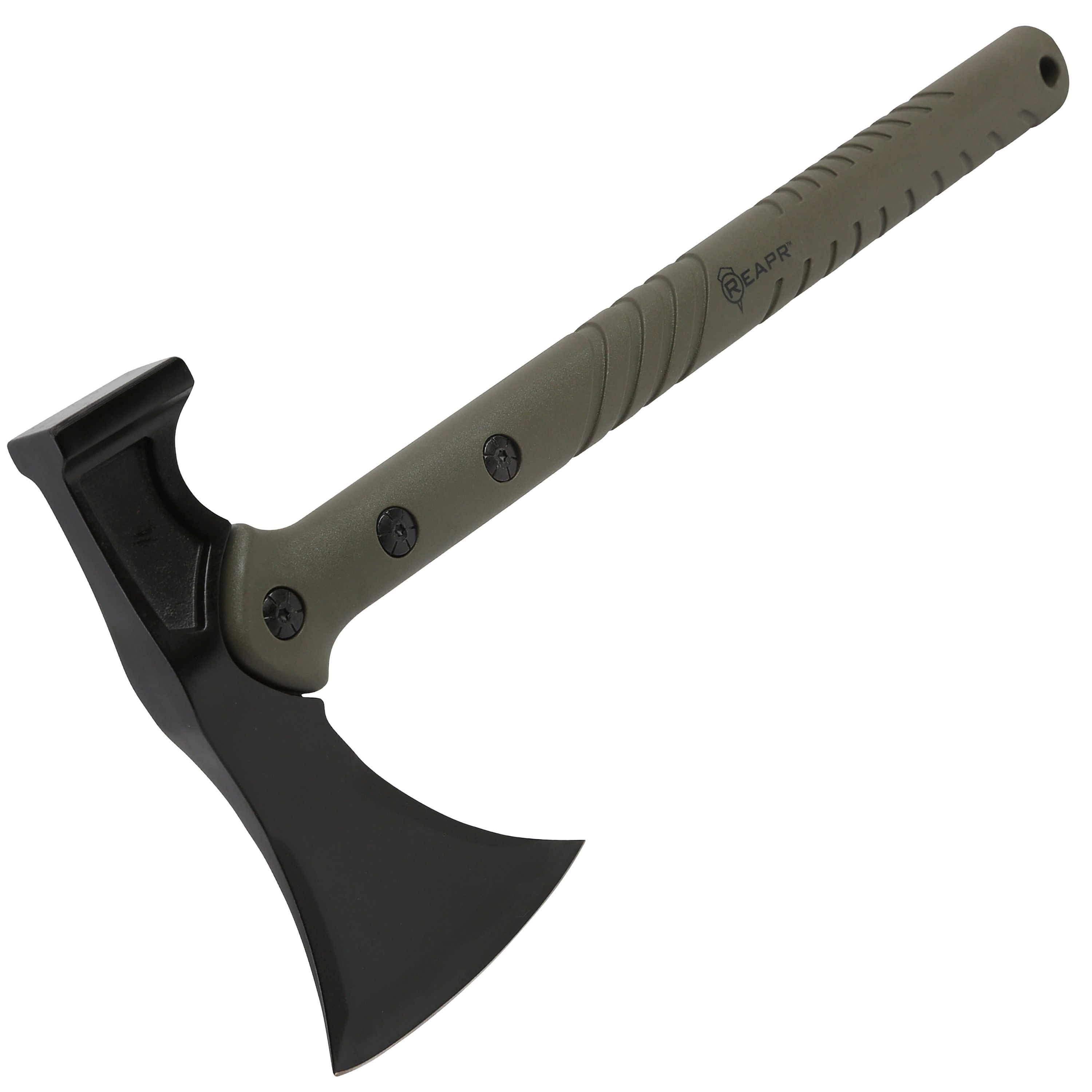
A hammer axe is not always a tomahawk. Tomahawk is a broader name for a light hand axe, while hammer axe describes the tool’s combined functions.
Traditional tomahawks were light axes used by Indigenous peoples in North America and later adopted in various forms by settlers and military users. Modern tomahawks come in many designs. Some have:
- A standard axe edge
- A spike
- A hammer poll
- A pry or breaching feature
- A short handle for one-hand use
Because of this variety, a modern product may be called a tomahawk even when it includes a hammer face. However, the name does not tell you everything about its strength, balance, or safe use.
A compact tool with a narrow blade and hammer poll is commonly marketed as a tomahawk hatchet or tactical tomahawk. A larger tool intended for firewood is better described as a hammer hatchet, hammer axe, or splitting maul, depending on its design.
Simple naming guide
| Tool design | Common U.S. name | Main purpose |
|---|---|---|
| Small axe with hammer face | Hammer hatchet | Camping, small cuts, light striking |
| Light axe with hammer poll | Tomahawk | Outdoor utility and carry |
| Full-size axe with hammer poll | Hammer-poll axe | Cutting and heavier striking |
| Thick wedge with striking face | Splitting maul | Splitting firewood |
| Axe with spike and hammer face | Breaching or tactical tomahawk | Specialized entry or utility work |
The name on the package matters less than the head design. Check the manufacturer’s instructions before using the tool for a job outside its stated purpose.

How Is a Hammer Axe Different From a Splitting Maul?
A splitting maul is built to split wood, not to chop across wood like a standard axe. Its head usually has a wide, thick wedge. Many mauls also have a flat striking face on the opposite side.
That striking face can make a maul look like a hammer axe. The difference is the cutting edge:
- A chopping axe has a thinner edge for cutting across wood fibers.
- A splitting axe has a wider wedge for opening wood along the grain.
- A splitting maul has an even heavier wedge and head.
- A hammer-poll axe combines an axe edge with a hammer face but may not be designed for heavy splitting.
A maul is often the better choice for large rounds of firewood. Its weight and wedge shape help force the wood apart. A hammer-poll axe is usually more versatile, but it may not split large, knotty rounds as efficiently.
Which tool should you use?
| Job | Better tool |
|---|---|
| Cut small branches | Hatchet or hand axe |
| Chop a fallen limb | Chopping axe |
| Split medium firewood | Splitting axe |
| Split large or stubborn rounds | Splitting maul |
| Drive light stakes and cut small wood | Hammer hatchet |
| Perform specialized entry work | Purpose-built breaching tool |
Do not use a hammer poll as a substitute for a sledgehammer. The hammer face, handle, and head are made for a specific level of force. Excessive striking can damage the tool or send metal fragments from a damaged head into the air.
What Is a Hammer Axe Used For?
A hammer axe is useful when one tool needs to perform both cutting and light striking. This can reduce the number of tools carried during camping, trail work, farm tasks, or emergency kits.
Common uses include:
- Cutting small limbs
- Clearing brush
- Splitting small pieces of kindling
- Driving light stakes
- Tapping wooden wedges
- Breaking light packing material
- Performing basic outdoor repairs
The tool is most useful when the work is varied but not extremely heavy. A dedicated axe cuts better than a tool with a large hammer poll, while a dedicated hammer usually handles repeated striking better.
Hammer axe advantages
A hammer axe can save space and weight. It may also feel balanced in the hand because the hammer poll counterbalances the blade. For short outdoor tasks, that combination can be convenient.
Hammer axe limits
A combination tool also involves trade-offs. It may be:
- Heavier than a normal hatchet
- Less effective for deep chopping
- Less comfortable for repeated hammering
- Poorly suited to large firewood
- Difficult to sharpen if the head has a complex shape
Choose the tool by its main job. If you will split several cords of firewood, use a splitting maul or splitting axe. If you need a compact tool for light camp tasks, a hammer hatchet or tomahawk may fit better.
How Can You Tell What a Hammer Axe Is Designed to Do?
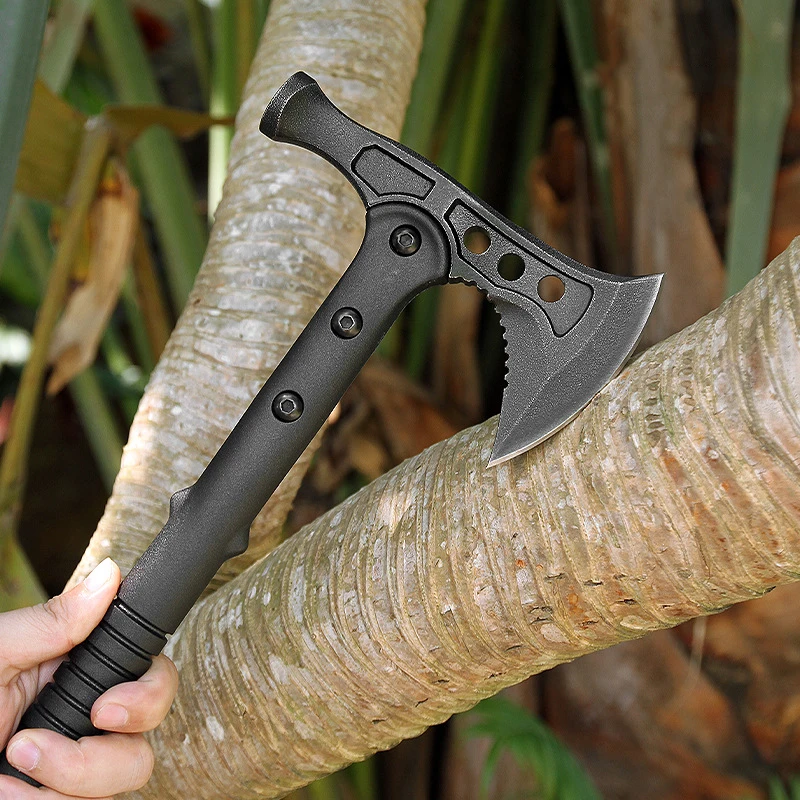
Look at the head, edge, handle, and manufacturer’s description. The shape often reveals the intended use more clearly than the product name.
1. Examine the cutting edge
A thin, slightly curved edge usually points to chopping. A thick, straight, wedge-like edge usually points to splitting. A narrow edge may be better for small limbs than for heavy rounds.
2. Check the hammer face
A proper hammer face should be broad enough for controlled striking. Look for clear instructions about what materials it can hit. Do not assume that every flat poll is suitable for nails, steel wedges, or hardened objects.
3. Consider the handle length
A short handle supports one-hand control but gives less swing power. A long handle can produce more force but needs more room and careful control.
4. Check the weight
A heavier head can split wood well, but it also increases fatigue and reduces control. Weight alone does not make an axe more effective.
5. Read the maker’s instructions
The manufacturer may state whether the tool is intended for:
- Camping
- Cutting wood
- Splitting
- Rescue work
- Construction
- Throwing
- Display
A tool marketed for throwing should not automatically be used for hammering or heavy chopping. A tool made for light camping work may not withstand repeated blows against hard materials.

Is It Safe to Use the Hammer Side of an Axe?
Use the hammer side only when the tool is designed for striking. A flat-looking back does not prove that it is a safe hammer surface.
Before use, inspect the head and handle:
- Look for cracks, chips, deep dents, or mushroomed metal.
- Make sure the head is tight on the handle.
- Check for loose wedges or movement.
- Replace a cracked, split, or badly worn handle.
- Keep the cutting edge sharp and protected.
- Wear eye protection and sturdy footwear.
Do not strike hardened steel with an ordinary axe poll. Do not hit the axe with another hammer unless the maker permits it. Avoid striking near other people, vehicles, windows, or hard surfaces that could cause fragments to fly.
When chopping, clear the area around you. Keep both feet stable, maintain a safe distance from bystanders, and stop when fatigue affects your control. Store the axe with a guard over the cutting edge.
For work involving rescue entry, structural damage, energized equipment, or hazardous materials, use trained personnel and tools rated for that task. A general-purpose hammer axe is not a replacement for professional rescue equipment.

Common Names That Can Cause Confusion
Several tool names overlap in stores and online listings. These terms can describe similar-looking tools but different designs.
Hatchet
A hatchet is a small axe, usually intended for one-hand use. It may have a hammer poll, but not every hatchet does.
Hand axe
A hand axe is a compact axe with a short handle. The term describes size and handling more than the presence of a hammer face.
Tomahawk
A tomahawk is a light, compact axe. Modern versions vary widely and may include a hammer poll, spike, or other features.
Maul
A maul is a heavy tool, usually made for splitting wood. Its head often has a thick wedge and a striking face.
Pulaski
A Pulaski combines an axe blade with an adze. It is widely associated with wildfire and trail work. It is not a hammer axe because the second side is an adze, not a hammer.
Roofing hatchet
A roofing hatchet may combine a cutting edge, hammer face, and other features such as a shingle gauge. It is designed for roofing work, not general firewood use.
These names describe different relationships between the blade, poll, handle, and intended job. If you need a replacement, match the exact head style rather than searching by a broad name alone.
How Do You Choose the Right Name When Shopping?
Search for the function and size you need, not just the phrase “hammer axe.” Useful search terms include:
- Hammer hatchet
- Hatchet with hammer poll
- Hammer-poll axe
- Camping axe with hammer
- Tomahawk with hammer
- Splitting maul with striking face
Then compare the tool’s head shape, weight, handle length, materials, and stated use. Product names are not standardized, so two tools with similar titles may be made for very different work.
For a compact camping tool, start with hammer hatchet or tomahawk with hammer poll. For firewood, search for splitting maul or splitting axe. For a full-size cutting tool with a striking face, search for hammer-poll axe.
The simplest answer is this: call it a hammer axe or hammer-poll axe unless its small, light design clearly makes “tomahawk” the better term.
Frequently Asked Questions
What is an axe with a hammer on the back called?
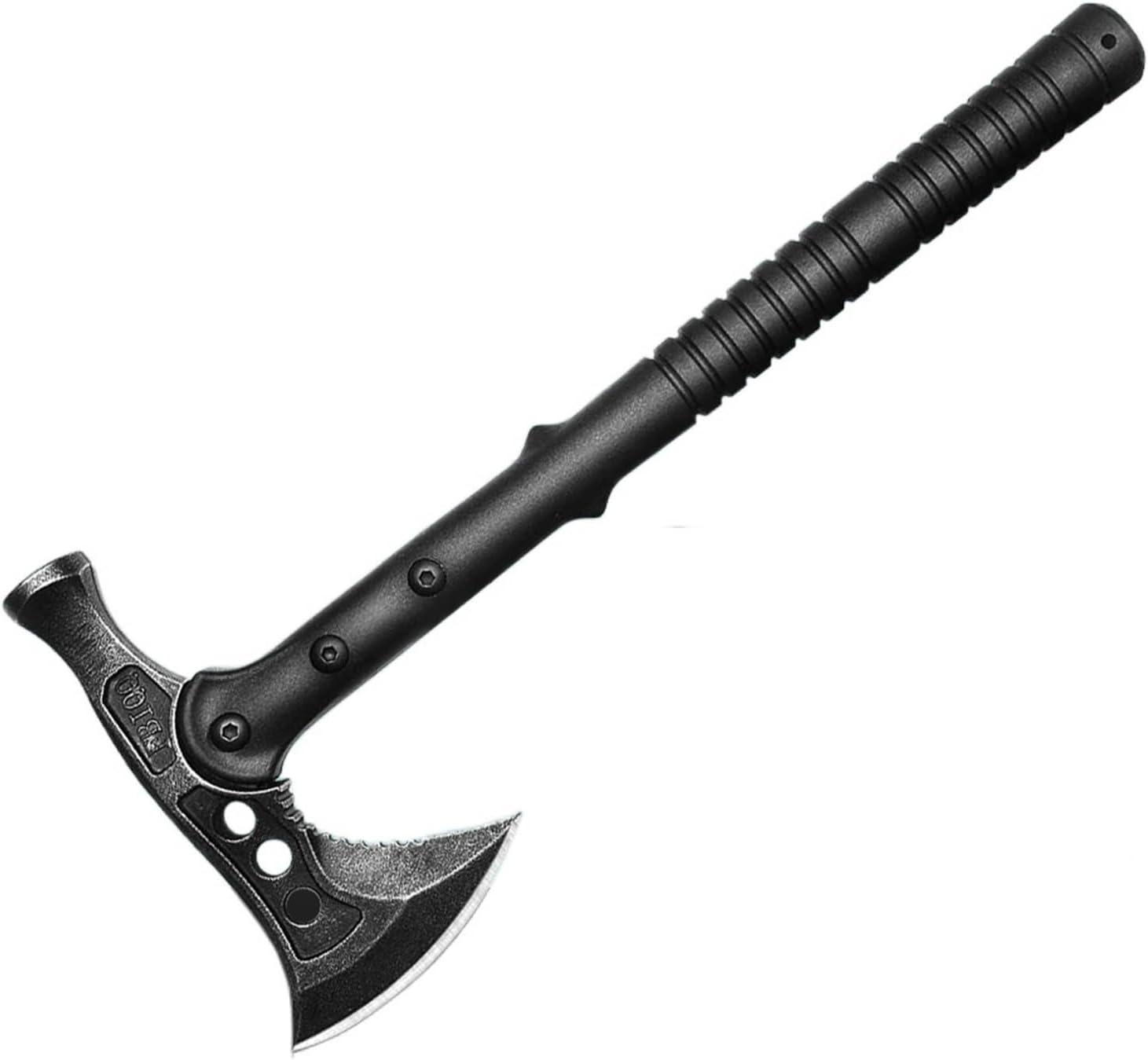
It is commonly called a hammer axe, axe hammer, or hammer-poll axe. If it is small and light, it may be sold as a hammer hatchet or tomahawk.
Is a tomahawk the same as an axe?
A tomahawk is a type of light hand axe, but the terms are not always interchangeable. A full-size axe may be too large to call a tomahawk, while modern tomahawks may include spikes or hammer polls that ordinary axes do not have.
Can you use a hammer axe to split firewood?
You can split small pieces with some hammer axes, but a splitting axe or splitting maul is usually better for regular firewood work. The correct choice depends on the size and shape of the wood.
Can you hammer nails with an axe poll?
Only if the manufacturer designed the poll for hammering. Do not use a damaged, thin, sharp, or hardened axe poll as a hammer.
What is the difference between a Pulaski and a hammer axe?
A Pulaski has an axe blade on one side and an adze on the other. A hammer axe has an axe blade and a hammer face. The tools serve different purposes.
Conclusion
The most accurate general name for an axe with a hammer face is hammer-poll axe. In everyday U.S. use, hammer axe, axe hammer, and hammer hatchet are also common. A small model may be called a tomahawk, while a heavy wood-splitting version is usually a splitting maul.
To identify one correctly, focus on the head shape and intended task. If the back is a true striking face, “hammer-poll axe” is precise. If the tool is a heavy wedge for firewood, call it a splitting maul. Always follow the manufacturer’s instructions and use protective equipment when cutting or striking.