
Breaking concrete with hand tools takes the right tools, safe technique, and steady elbow grease.
I have broken, removed, and repaired concrete by hand for years. I will show you clear, safe steps on how to break concrete with hand tools. This guide mixes practical tips, tool lists, step-by-step methods, and real-world lessons from projects I’ve done. Read on to learn when hand tools are the right choice and how to get the job done with confidence.
Tools and safety essentials
Use the right tools. That makes breaking concrete with hand tools faster and safer. Here are the core tools and personal protective equipment you will need.
- Sledgehammer, 6–10 lb for small slabs and 10–16 lb for larger work. Use a fiberglass or wood handle with a secure head.
- Demolition hammer (manual) or long-handled sledges for leverage. They give more force with control.
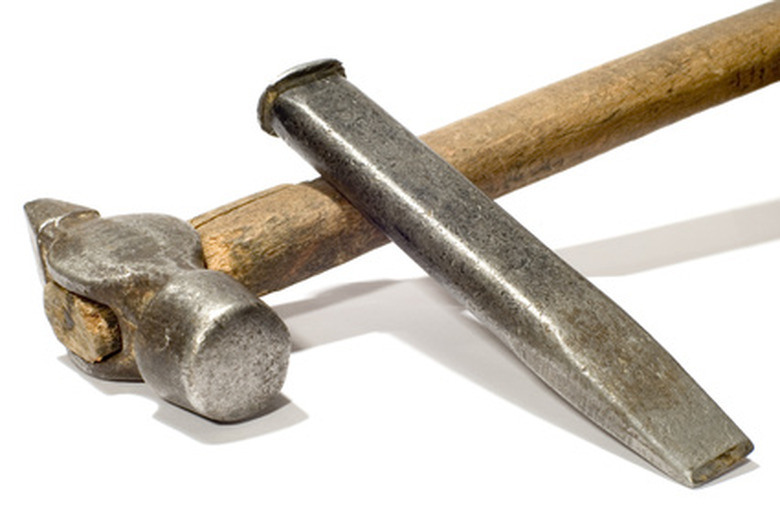
- Cold chisels and masonry chisels in varied widths. Use star-point or cape chisels for scoring.
- Pry bar, crowbar, and digging bar for lifting and levering pieces. They help separate broken sections.
- Brick hammer and club hammer for precise chipping. They are good near edges and finishes.
- Handheld drill with masonry bits if you need to drill relief holes. Use carbide bits and slow speed.
- Wedges and feathers for controlled splitting of slabs. Good for straight breaks.
- Heavy-duty wheelbarrow, shovels, and buckets for debris removal. Manage waste as you go.
- PPE: safety glasses, face shield, heavy gloves, steel-toe boots, dust mask or respirator, ear protection, and knee pads. Always protect lungs from silica dust.
Think safety first. Concrete dust can harm lungs. Take short breaks. Hydrate and stretch to avoid strains.
Quick questions about tools
What is the best hammer weight for breaking concrete by hand?
A 10–12 lb sledgehammer is a good all-around choice for many residential slabs. Use a lighter hammer for thin or delicate concrete to avoid unnecessary damage.
Do I need a respirator when breaking concrete by hand?
Yes. Use an N95 or better respirator to protect against silica dust when breaking, cutting, or drilling concrete.

Assess the concrete before you start
Know what you face. Check thickness, reinforcement, and nearby utilities. This helps you choose the right method for how to break concrete with hand tools.
Measure thickness. Thin slabs under 2 inches break easily. Thick slabs over 4 inches need more force or different methods. Look for rebar, wire mesh, or pipes. Rebar requires cutting or bending and will slow you down. Mark locations of utilities with a probe or call local utility services if needed. Plan where to start to make the job easier.

Step-by-step methods for breaking concrete with hand tools
Below are practical methods to break concrete with hand tools. Choose one based on slab thickness and reinforcement. Each method uses simple steps you can follow safely.
Method 1: Scoring and chipping with hammer and chisel
- Score a line where you want the break using a pointed chisel and hammer. Make repeated shallow strikes along the line.
- Increase the depth with a wider chisel or cold chisel. Keep strokes steady and controlled.
- Wedge and pry out the scored pieces as they separate. Work from one end to the other for a clean break.
This is best for thin slabs and for shaping edges.
Method 2: Sledgehammer technique
- Create a starting crack with a chisel or a few sharp hits at a corner. Focus force on one spot.
- Swing the sledgehammer with your legs and hips, not just your arms. Keep a steady, controlled rhythm.
- Break off sections and use a pry bar to lift chunks. Move debris away to avoid tripping.
This is fast for medium slabs and for demolition where precision is not critical.
Method 3: Wedges and feathers (controlled splitting)
- Drill a line of holes along the intended break. Holes should be 1–2 inches deep for thin slabs and deeper for thick concrete.
- Insert wedges and feathers, tighten slowly and evenly. Work from the ends toward the middle.
- The slab splits along your line. This method gives straight edges and less random cracking.
Wedges and feathers are great when you need a neat break.
Method 4: Drilling relief holes and chisel removal
- Drill multiple relief holes along a crack or cut line with a masonry bit. Space holes 2–4 inches apart for thicker concrete.
- Use a chisel and hammer or a pry bar to separate pieces between holes.
- This reduces the force needed and helps with reinforced areas.
Relief holes are useful when rebar or hard aggregate slows progress.
Method 5: Working around rebar
- Expose the rebar with a chisel and hammer. Cut or bend rebar using bolt cutters or a hacksaw if accessible.
- If cutting is not possible, work to break concrete away from the rebar and use leverage to pry pieces free.
- Protect your tools and hands from sharp edges and sprung metal.
Expect more effort when rebar is present. Take breaks and plan for disposal of metal and concrete.
:max_bytes(150000):strip_icc()/Chopping-Away-Large-Pieces-of-Concrete-1500-x-1125-56a49ebf3df78cf772834cf7.jpg)
Tips, shortcuts, and knowing when to hire a pro
Small jobs can be done safely by hand. Larger or reinforced slabs may need powered tools or pros. Here are tips to keep things efficient and safe when you tackle how to break concrete with hand tools.
- Start at an edge or corner. Concrete breaks easier from a weakened point.
- Make small, controlled strikes rather than wild swings. This saves energy and prevents injury.
- Work in sections and clear debris frequently. That keeps the workspace safe.
- Keep chisels sharp and replace cracked handles. Sharp tools work faster and reduce force.
- Use wedges and splitters for straighter lines and less dust.
- Avoid working alone on heavy sections. A helper reduces risk and speeds lifting.
- If the slab is thick, heavily reinforced, or near utilities, hire a pro with pneumatic tools. Professionals also handle proper disposal and permits.
Hand tools shine for small patches, repairs, and detail work. For full demolition, power tools or contractors are often more practical.
Troubleshooting and common mistakes
Expect setbacks. Knowing common mistakes helps you correct them fast when breaking concrete with hand tools.
- Mistake: Hitting too close to the edge and causing unwanted splits. Fix: Start a bit back and work toward the edge gradually.
- Mistake: Ignoring dust control. Fix: Wet the concrete lightly or use a shop vac and respirator.
- Mistake: Using the wrong chisel angle. Fix: Keep chisels at a shallow angle for scoring and a steeper angle for prying.
- Mistake: Overworking your body. Fix: Use correct swing mechanics and take frequent breaks to avoid strains.
- Mistake: Underestimating rebar. Fix: Expose and cut rebar or plan to pry around it.
If a method fails, pause. Reassess the slab and choose the next best method. Simple changes often make the job easier.

Personal experience: lessons from real projects
I once removed a backyard slab with only hand tools. The slab was 3.5 inches thick with light wire mesh. I started with scoring and chisels. Then I used a 10 lb sledge to break sections. The wire slowed me down more than expected. I had to switch to drilling relief holes and wedges to control splits. The project took longer than planned, but the final edges were neat.
Lessons learned
- Always probe for reinforcement early.
- Start at corners and work in manageable 2–3 foot sections.
- Keep tools sharp and handles secure. A broken handle halts progress and risks injury.
- Plan debris removal before you begin. A full workspace makes the job slower and riskier.
These lessons will save time and reduce frustration when you learn how to break concrete with hand tools.

Frequently Asked Questions of how to break concrete with hand tools
What hand tool is best for breaking concrete?
A 10–12 lb sledgehammer paired with a cold chisel covers many tasks. For precision, add masonry chisels and wedges and feathers.
How deep can I break concrete by hand?
You can break thin slabs up to about 4 inches thick efficiently by hand. Thicker or reinforced slabs may need powered tools or professional help.
How do I control dust when breaking concrete?
Use a light spray of water, a shop vac with a HEPA filter, and an N95 or P100 respirator. Keep the area damp and ventilated to lower airborne particles.
Is it safe to break concrete alone?
Small, low-risk jobs can be done alone with proper precautions. For heavy lifting or large slabs, work with a partner to reduce injury risk.
Can I reuse broken concrete for fill or landscaping?
Yes. Crushed concrete makes good base material for driveways or pathways once cleaned of metal and debris. Check local codes for reuse rules.
How long does it take to break a small patio by hand?
A small patio of about 50 sq ft can take a day or more, depending on thickness and reinforcement. Expect more time if rebar is present or the concrete is thick.
Conclusion
Breaking concrete with hand tools is doable with the right plan, gear, and patience. Use the methods and tips here to choose the safest and most efficient approach for your project. Start small, protect yourself, and ask for help when the job gets heavy. If this guide helped you, try one small section this weekend, share your results, or ask a question below to get tailored advice.